
Age group: 2–4 years
Theme: Sharing the Planet
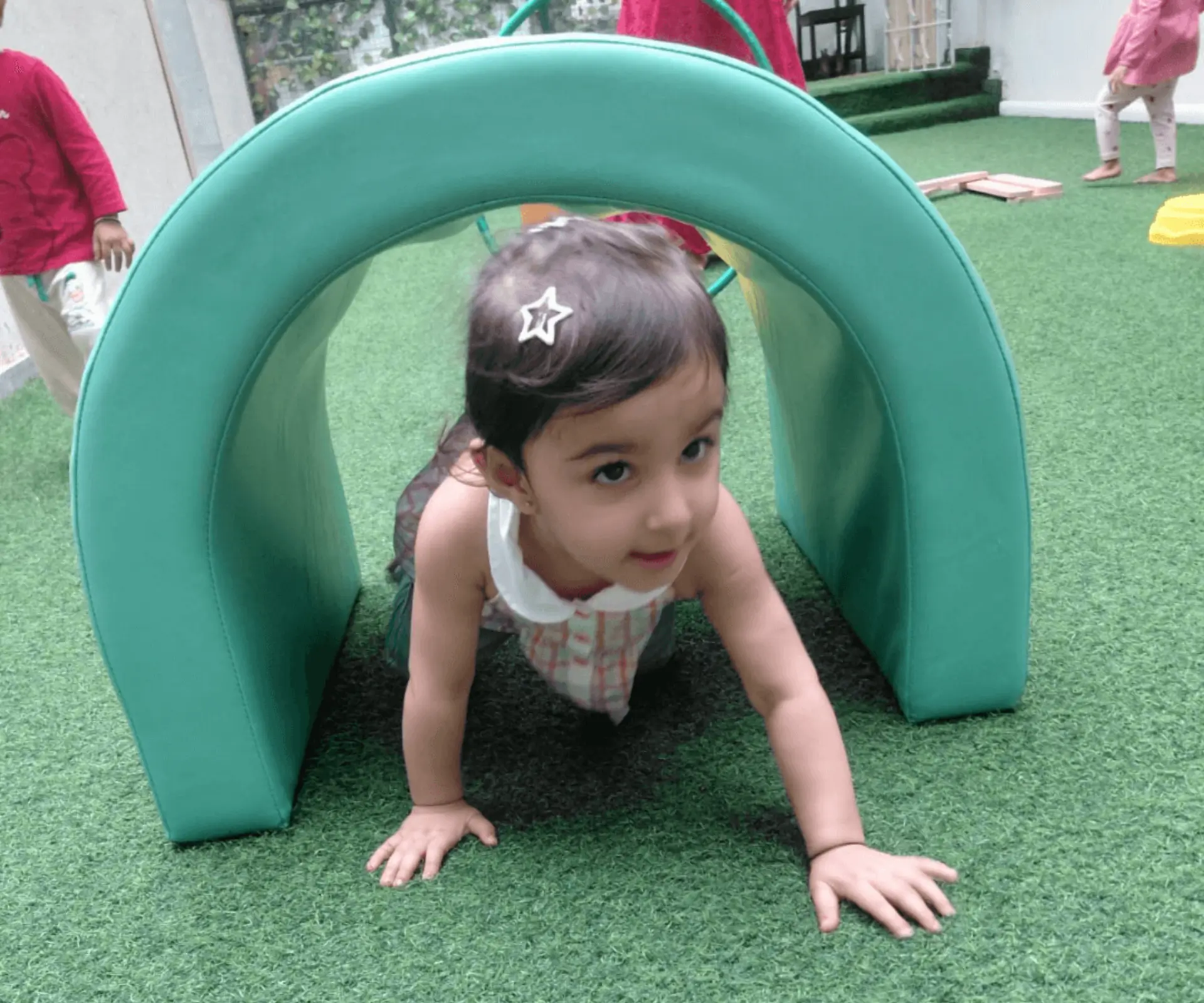
When you walk into Movement Day, it might just look like children climbing, jumping, balancing, and carrying things around with big smiles on their faces. But under all that play, your child is doing some of the most important work of early childhood.
At this age, children still learn through their bodies first. Before they can sit comfortably at a table, hold a pencil with control, or manage big feelings in a group, they need strong muscles, balance, coordination, and the ability to regulate their attention and emotions. Movement is how those foundations are built.
Our theme, Sharing the Planet is integrated through the day, sharing space, being gentle with small creatures, caring for the environment, and being aware of others. Physical play at this age is never just physical. It’s social, emotional, and thinking work too.
Here are the stations we have planned and a dive into how it impacts your child’s development:
Planet Helpers
Climbing, picking up “trash,” and carrying/ putting it into a basket
Right now, your child is building strength in their arms, legs, and core. They’re learning to coordinate both sides of their body and to follow simple steps in order: climb, pick, place. This builds confidence in how their body moves and what it can do.
Over the next few years, this shows up as more confidence on playground equipment, safer stair use, and more independence with everyday tasks like carrying a bag or tidying up. Strong bodies also support posture and stamina for school routines.
Clean & Care Challenge
Swinging on their tummy and aiming objects into a bin
Being on the tummy on a swing is hard work in the best way. It strengthens the core and shoulder muscles that later support writing and fine motor control. At the same time, your child is learning to focus while their body is moving and to use their eyes and hands together.
In the coming years, this supports drawing, writing, sitting comfortably at a table, and staying attentive during active school days. Strong foundations in the body make learning easier.
Animal Rescue Path
Moving under and over ropes and returning animals to their homes
Here, your child is figuring out how to move their body through space. They’re planning movements, adjusting when something is in the way, and using gentle hands. Sorting animals into “homes” also builds early thinking skills.
Later on, this helps with problem-solving, flexibility, and following multi-step instructions. It supports participation in group games and classroom tasks where children have to listen, plan, and act.
Gentle Steps
Balancing on beams and rescuing insects
Walking on a narrow beam asks children to slow down and control their movements. They’re improving balance and coordinating their hands, eyes, and body at the same time.
Balance work is closely linked to attention and regulation. In the years ahead, this supports safer movement, better focus in class, and skills for sports, dance, and playground play.
Protect the Little Ones
Balancing an “egg” on a spoon with a parent
This activity looks simple but asks for steady hands, body control, and concentration. Doing it alongside a parent also builds connection and shared pacing.
Over time, these slow, controlled movements support handwriting, tool use like scissors and cutlery, and the ability to stay calm and keep trying when something feels tricky.
Sharing Space Path
Hopscotch, waiting, and taking turns
Here, movement and social learning come together. Your child is building balance, rhythm, and coordination while also learning to wait, take turns, and be aware of others.
These experiences support sports readiness, confidence in group settings, and self-control. Physical games like this are where children practice rules and social expectations in a safe way.
Rest & Reset Corner
A quiet space with books, puzzles, and a tent
Some children need a break from all the excitement, and that’s part of healthy development. This space helps children calm their bodies, tune into their needs, and regulate in a busy environment.
Learning to pause and reset supports emotional wellbeing, independence, and readiness for learning in stimulating settings.
Together We Catch
Parent–child ball and bucket game
Shared play builds more than coordination. Your child is learning to watch, wait, respond, and enjoy back-and-forth interaction with you.
These moments support communication, social skills, and confidence in playing with others.
Everyday Heroes Relay
Parents completing real-life movement tasks
When children see adults moving, trying, laughing, and figuring things out, they learn that effort and problem-solving are part of life. It models cooperation and shows that learning through movement never really stops.