At Circles & Cycles, we’ve always believed that when we grow alongside our children, something really special happens. We just finished our three-part workshop series, and I wanted to share a few of the “aha” moments we had while exploring the beautiful, sometimes messy reality of daily life with our little ones.
Workshop 1 – Our stories
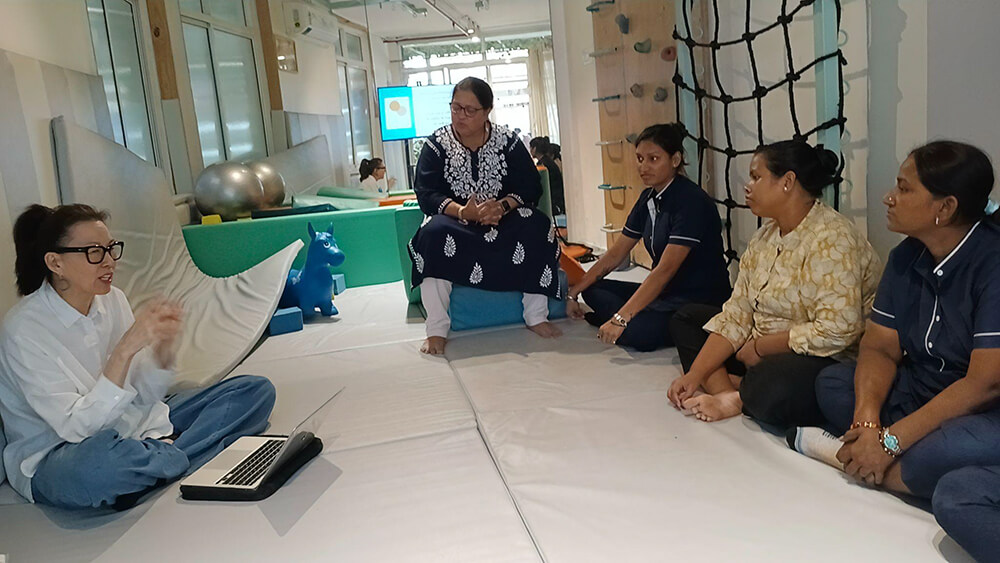
We began by looking at our children through a new lens. Instead of seeing them as blank slates to be filled with facts, we leaned into the Reggio Emilia idea of the child as a “Natural Researcher.” One of the most moving parts of this session was hearing everyone share their own educational stories. It was a powerful reminder that our own histories often shape how we show up for our children today. We talked about moving away from “teaching” and toward “nurturing,” focusing on five simple habits that change the energy in a room:
- Really listening with our whole bodies (heart, eyes, and ears).
- Using gentle, supportive language.
- Getting down on the floor to meet them at their level.
- Not being afraid of the mess that comes with hands-on learning.
- And simply being “there”—prioritizing the quality of our presence over the
- number of activities on the calendar.
Workshop 2 – Partners in Play
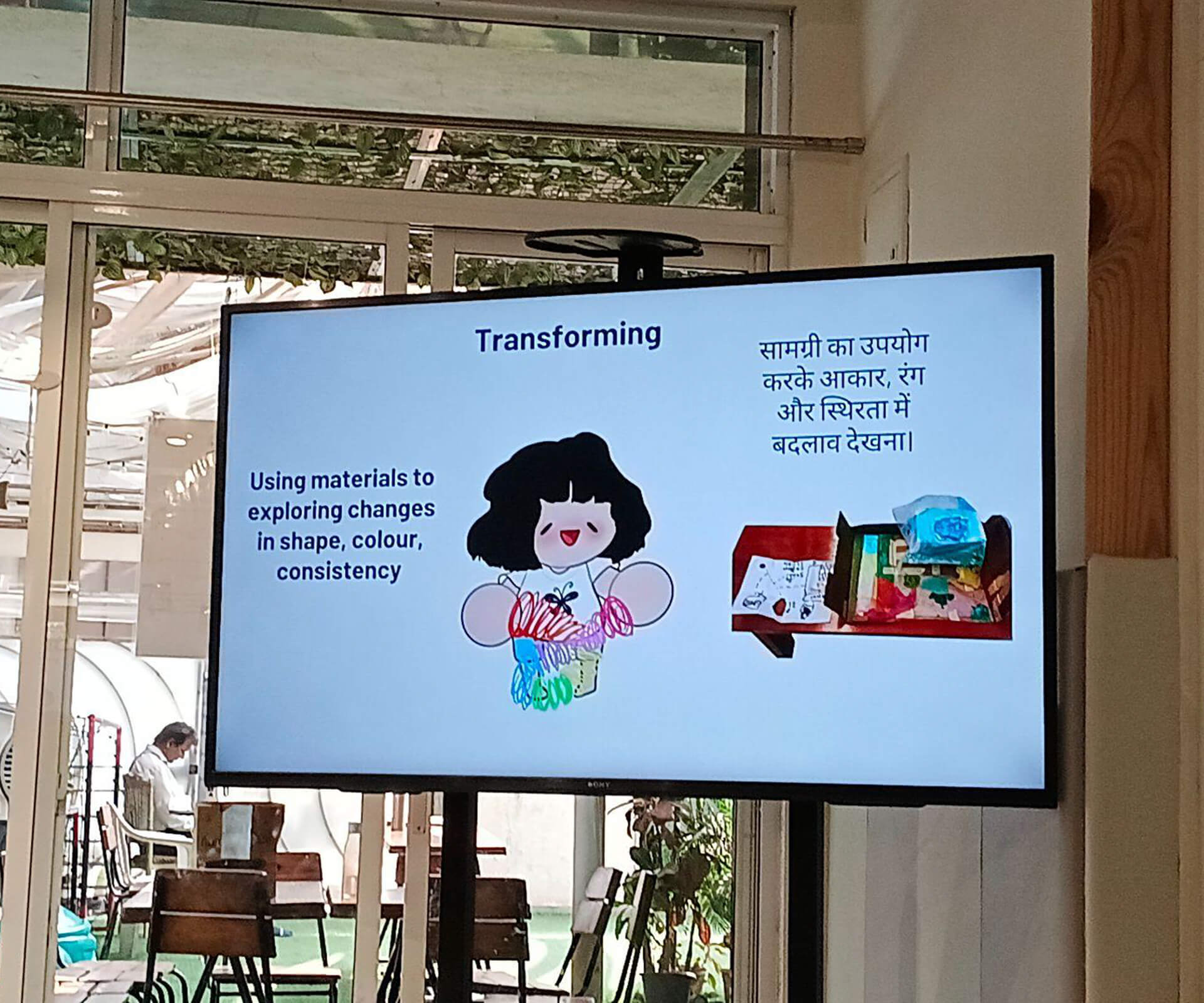
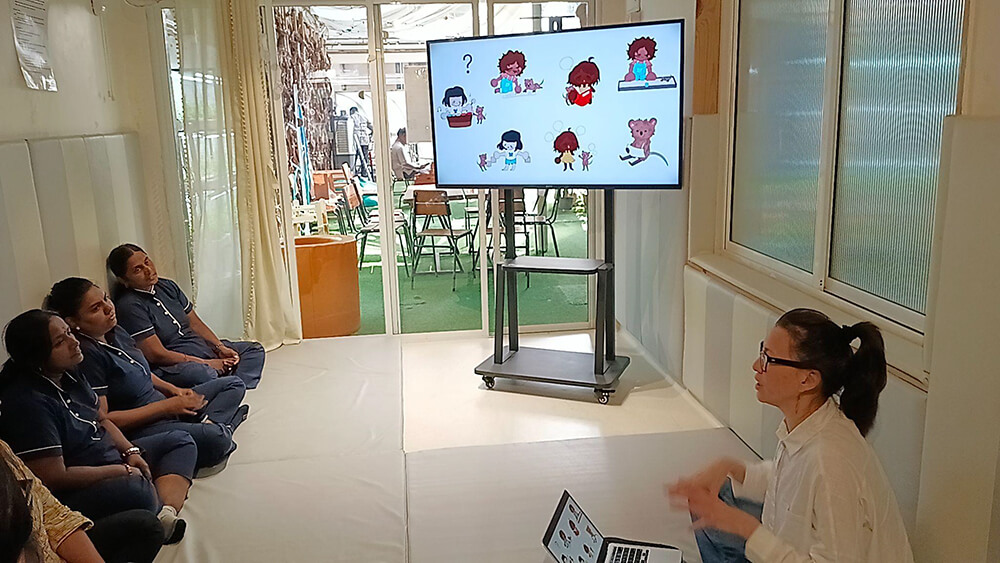
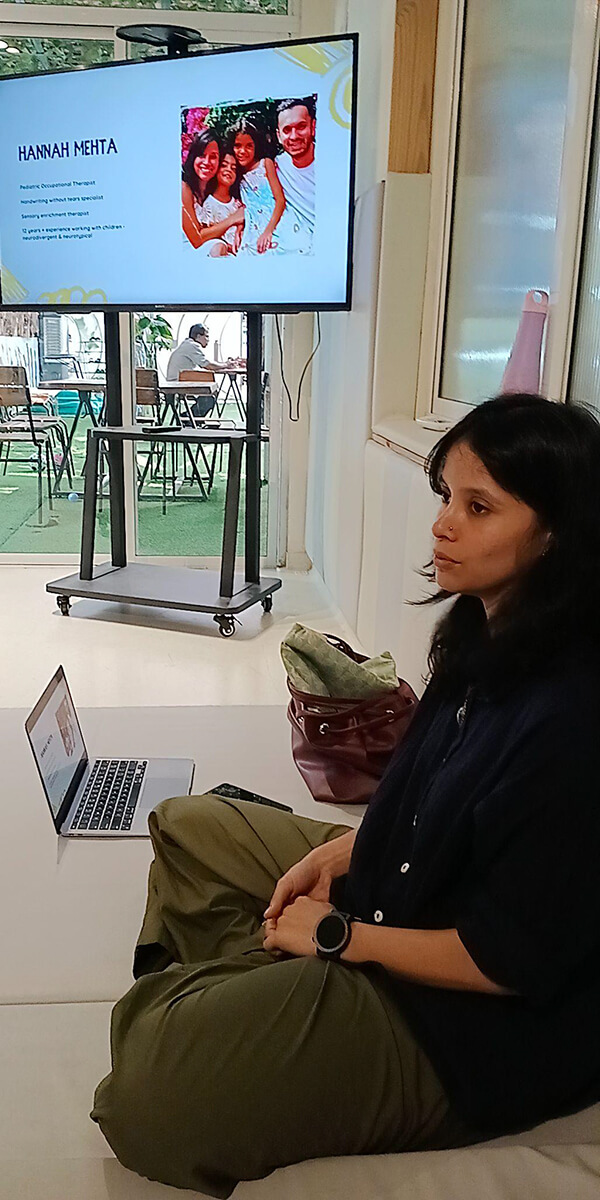
Our second session was all about the “how-to.” With some great insights from an OT perspective, we looked at how those “small” daily tasks—like climbing the stairs or wrestling with a tiffin box—are actually massive wins for a child’s confidence.
We talked about the Butterfly Analogy; just like a butterfly needs the struggle of the cocoon to gain the strength to fly, our children need the space to try (and sometimes fail) at things on their own. Our goal as caregivers is to move from just “watching” them to observing the incredible skills they are building through their play.
Workshop 3 – Taking Care of Oneself
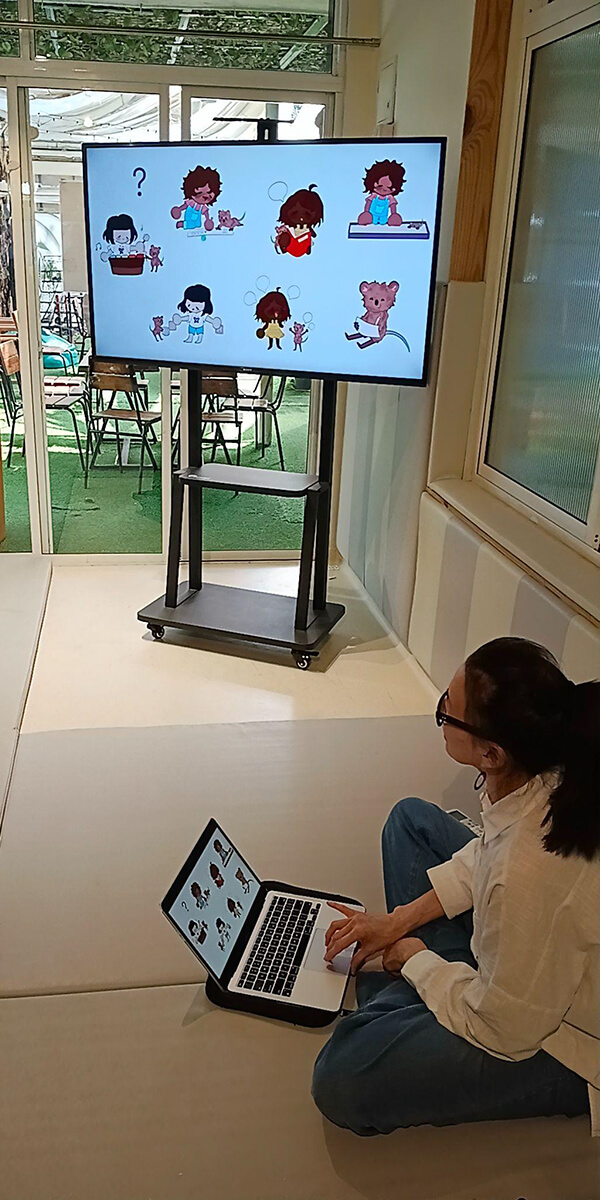
We wrapped up the series by focusing on the most important part of the whole equation: You. We all know the saying that you can’t pour from an empty cup, but practicing that is easier said than done.
We spent time talking about how to stay grounded when the house feels chaotic. We also touched on how we, as adults, can handle the inevitable conflicts that pop up in a community. We found that it helps to stick to the facts, speak directly to the person involved to keep things clear, and always have a mentor or a friend to turn to for perspective.
By taking care of ourselves and staying reflective, we creating a courageous and nurturing environment where our children feel safe to grow.
Thank you to everyone who joined us. It’s a privilege to be on this journey with you.