
By Marissa Mendes, Facilitator at Circles & Cycles
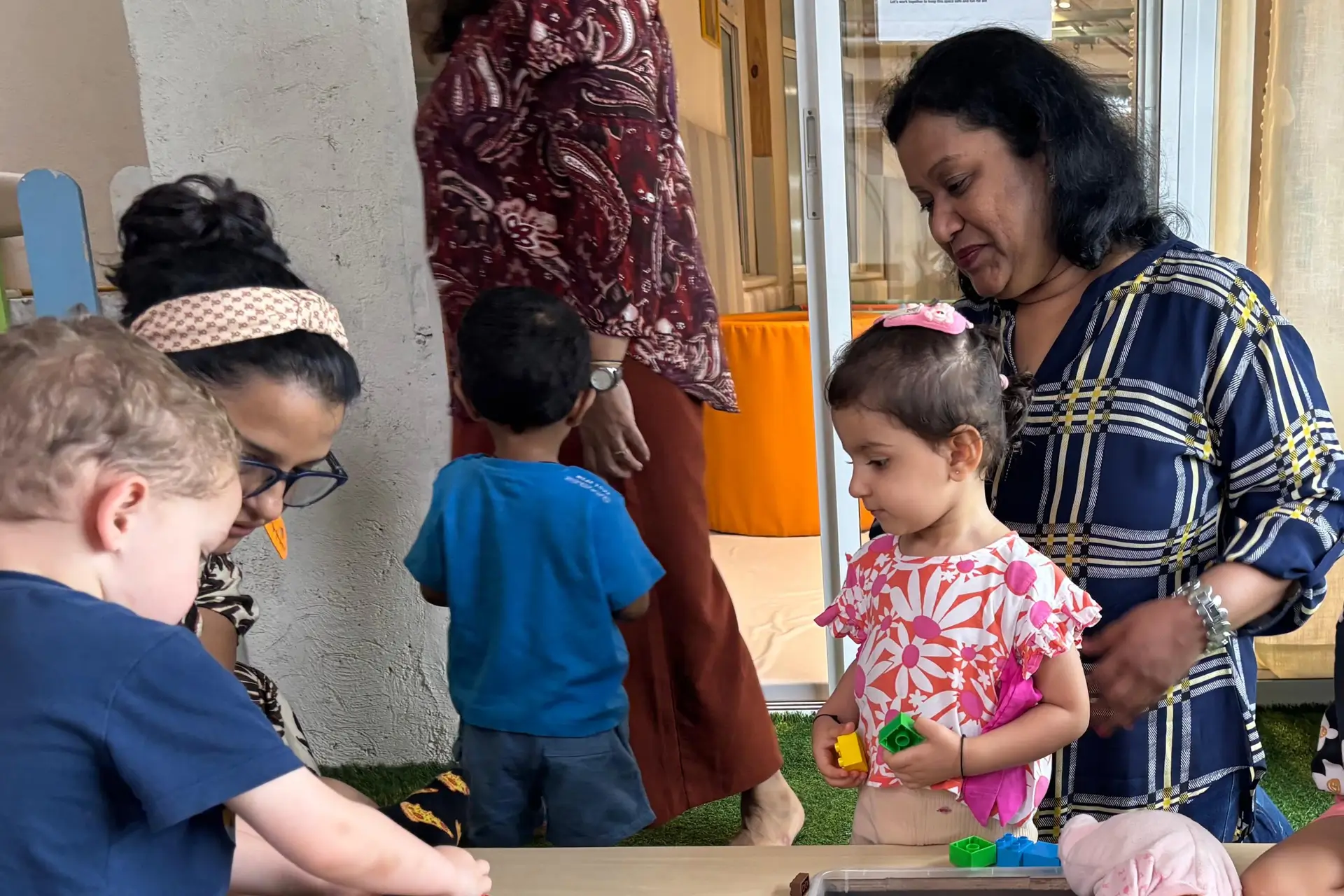
In early childhood spaces, learning doesn’t begin with a lesson plan. It begins with connection. And connection often begins with something as simple as a conversation. As adults, we sometimes imagine “teachable moments” as structured activities, but children remind us daily that their richest learning emerges from the ordinary: a chat during snack time, a question on the walk to the turf, a story shared while lining up.
What makes these moments powerful is not just the exchange of information; it’s the emotional bridge built between the adult and the child. When we pause, listen, and respond with genuine curiosity, we show children that their thoughts matter, their feelings are welcome, and their voices shape their learning journey.
Conversations as Windows Into Emotion
A child who asks, “What’s that?” while pointing at a slug in the sandpit isn’t only seeking the name of a creature. They are sharing a moment of wonder, uncertainty, excitement, or even hesitation. Our response becomes an invitation:
“You noticed something interesting! What do you think it might be?”
This simple question validates the child’s curiosity and creates space for them to express thoughts and feelings before we supply facts.
These everyday exchanges help children understand and articulate their emotions: surprise, fascination, pride, and confusion. When adults slow down and name these emotions alongside them, for example, “It looks like you’re curious about it” or “It startled you a little, didn’t it?”, children gradually learn the vocabulary and confidence to describe their internal world.

Listening as Relationship-Building
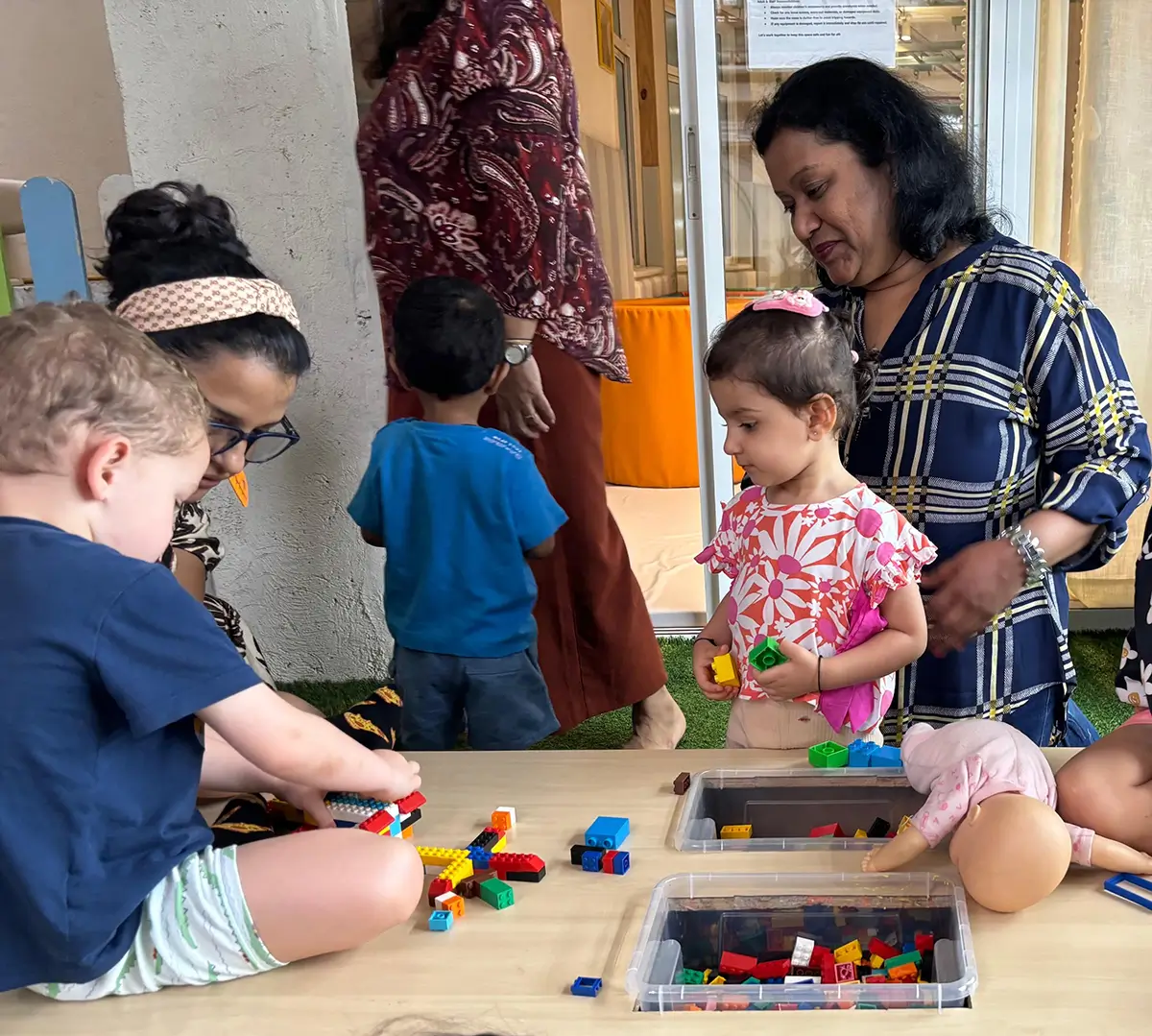
We often assume that our role as adults is to offer explanations, but children learn just as much,if not more, when we listen first. When children see that we are not rushing ahead or correcting them, but truly listening, they experience a form of emotional safety that strengthens trust.
A moment like noticing a shadow during torch play (what first began as exploring facial features), can transform into an entire inquiry on light simply because we listened to their wonderings.
“Why does my shadow move?”
“Why is it bigger now?”
By responding with curiosity rather than quick answers, we signal: Your ideas guide us. Your voice matters.
This shift, from adult-led explanation to child-led conversation, is where connection deepens. Children feel valued not just for what they know, but for what they notice, think, and feel.
The Power of Shared Stories
Sometimes a conversation begins in a place that seems unrelated to learning, like a child sharing a story about rain. But when we listen with intention, that story becomes a spark. What might have been a quick acknowledgement, “Oh, it rained at your house?”, can unfold into a science provocation exploring weather, clouds, or water.
But more importantly, the child experiences the emotional impact of being heard.
When we say, “Tell me more! How did it feel when it rained?”, we show children that their experiences matter, and that their emotions are part of the learning space too. These relational moments embolden children to share more, ask more, and wonder more.

Conversations as Emotional Anchors
Whether in school or at home, small chats act as emotional anchors for children. The back-and-forth exchange teaches them:
- How to express feelings safely
- How to listen to others with empathy
- How to ask questions and share ideas without fear
- How to make meaning through dialogue
At a dinner table, on a walk, or during classroom transitions, these interactions weave emotional security into daily life. When adults engage wholeheartedly, children learn that communication is not just about words, communication is about connection.
Everyday Rhythm, Lifelong Skills
Language learning does not happen only during circle time or literacy sessions. It grows in the rhythm of daily life, where curiosity leads and conversation follows. And woven through that language development is something even deeper: social and emotional learning.
When children feel heard, they feel seen.
When they feel seen, they feel connected.
And when they feel connected, they learn with confidence and joy.
As facilitators, as adults who care for and spend key moments with children, we hold the privilege of turning ordinary moments into meaningful ones. A conversation about a slug, a shadow, or the rain can become the foundation on which a child builds vocabulary, confidence, emotional awareness, and a lifelong love of learning.