
In our previous blog, How Children Learn: Honouring Process Over Outcome, we explored a foundational idea: children learn most deeply when their attention is on exploration, curiosity, and critical thinking rather than on outcomes such as correct answers or polished results.
This follow-up extends that conversation.
If we truly honour the learning process, we must also examine how our adult practices, especially praise, assessment, and documentation, either protect or undermine that process. Good intentions alone are not enough. The way learning is observed, recorded, and shared matters.
Process Is Where Learning Lives
Learning does not happen at the moment a child finishes an activity.
It happens in the moments leading up to it and sometimes even afterwards.
It lives in trial and error.
In hesitation, return and reflection.
In the child who changes their mind, tries again, and persists.
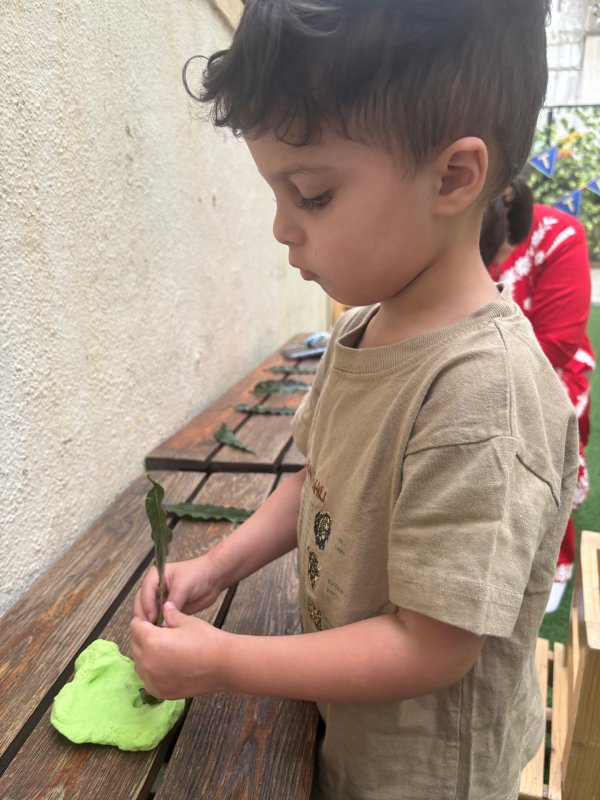
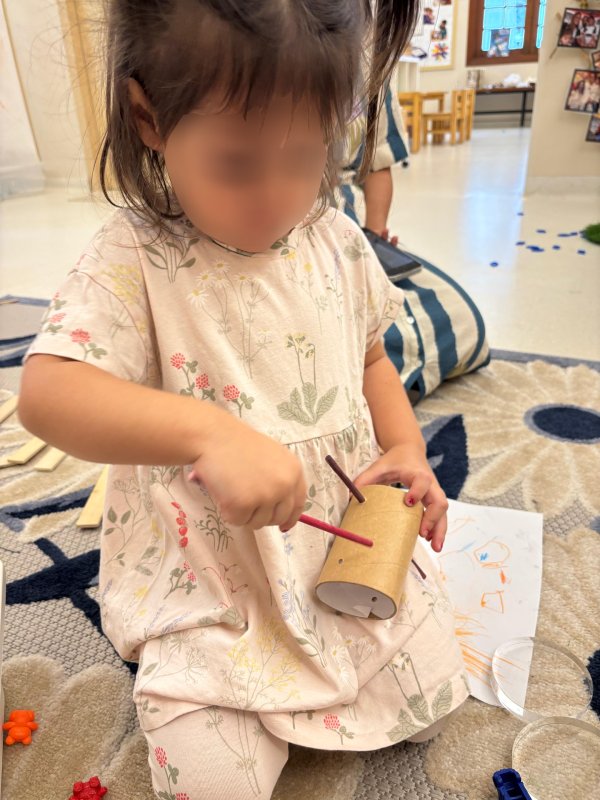
When we focus on process, we shift our attention from what a child produces to how they think. We notice the strategies they test, the questions they ask, and the connections they make. Growth becomes visible not in perfection, but in engagement.
From Destination Thinking to Journey Thinking
Outcome-driven environments tend to value speed, accuracy, and completion. These markers are easy to measure, but they tell only part of the story.
A process-oriented lens tells a richer one.
Effort and persistence replace perfection as indicators of learning.
We celebrate the number of attempts made and the resilience shown, not just the final result.
Curiosity and inquiry matter more than acquisition.
The quality of a child’s questions and investigative strategies carries more weight than being able to memorize the alphabet or how to count to 20.
Connection takes precedence over completion.
We look for how new ideas link to prior knowledge and lived experience, rather than simply checking off objectives on a list.
This is the shift we described in our earlier piece.
Here, we explore what it looks like in practice.
What We Choose to Praise Shapes What Children Value
Children quickly learn what adults pay attention to.
When praise is centred only on outcomes, children learn that success lies in getting it “right.” When praise is centred on process, they learn that effort, thinking, and persistence matter. This applies no matter how young or old child is.
The language we use makes this clear.
We move from:
- “Look how neat this is.”
- “You finished so quickly.”
To:
- “I noticed how many different ways you tried.”
- “You stayed with that problem even when it was challenging.”
This tells children that learning is not about performance, but about engagement.
Documentation as a Mirror, Not a Stage
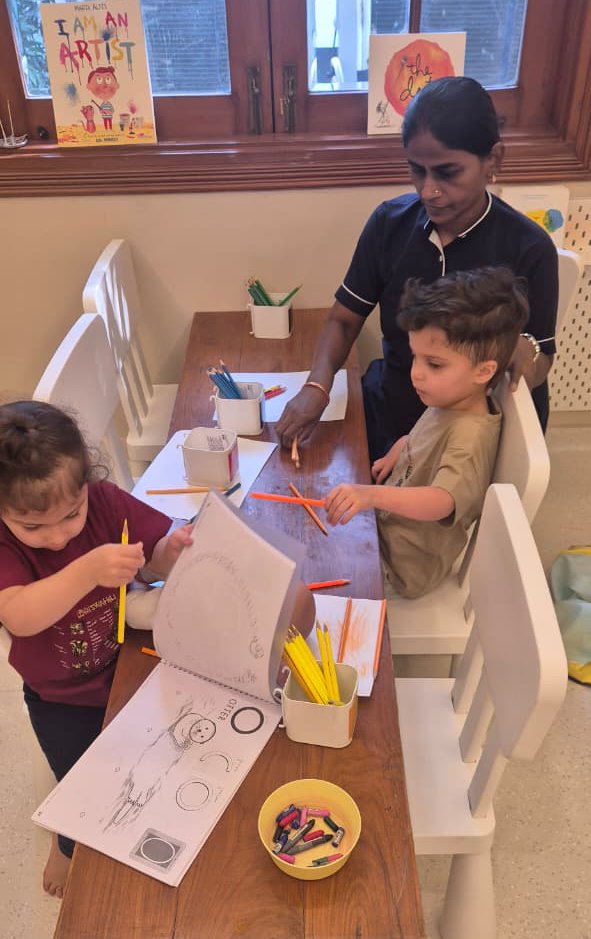
In Reggio Emilia inspired settings, the role of documentation is to reflect learning and can become a provocation in and of itself.
Used well, documentation makes learning visible without interrupting it.
Used poorly, it can turn learning into a performance.
When children feel they are being watched in order to prove what they know, the nature of their engagement changes. Risk-taking decreases. Exploration narrows. The focus shifts from inquiry to impression.
Children Do Not Need to Perform Their Learning
Performance implies a staged moment designed for an external audience. It suggests that learning must be demonstrated, polished, and presentable.
This pressure is incompatible with authentic inquiry.
Children learn best when they are free to think aloud, change direction, make mistakes, and explore without fear of judgement. When documentation demands performance, it undermines precisely the process we claim to value.
The True Purpose of Pedagogical Documentation
As we shared in How Children Learn: Honouring Process Over Outcome, learning is complex, non-linear, and deeply personal. Documentation should honour this complexity, not flatten it.
Its purpose is to:
- Make children’s thinking visible
- Support reflection and dialogue
- Inform future provocations and planning
- Strengthen relationships between educators, children, and families
Documentation is not proof.
It is an invitation to look more closely.
When “Show Me What You Learned” Limits Learning
When every moment becomes a request to demonstrate learning, several unintended consequences emerge.
Process stalling
Children may hesitate to explore freely, fearing mistakes will be recorded and judged. Curiosity gives way to caution.
Extrinsic motivation
Learning becomes driven by praise, photographs, or displays rather than intrinsic interest and joy.
A narrowed curriculum
Provocations are designed for easy documentation rather than deep inquiry. Open-ended, messy learning is replaced with neat, predictable outcomes.
Inauthentic records
Children may re-enact or tidy their work for the camera, creating documentation that reflects performance rather than genuine engagement.
In these moments, documentation stops serving learning and begins shaping it.
Observation Without Interference
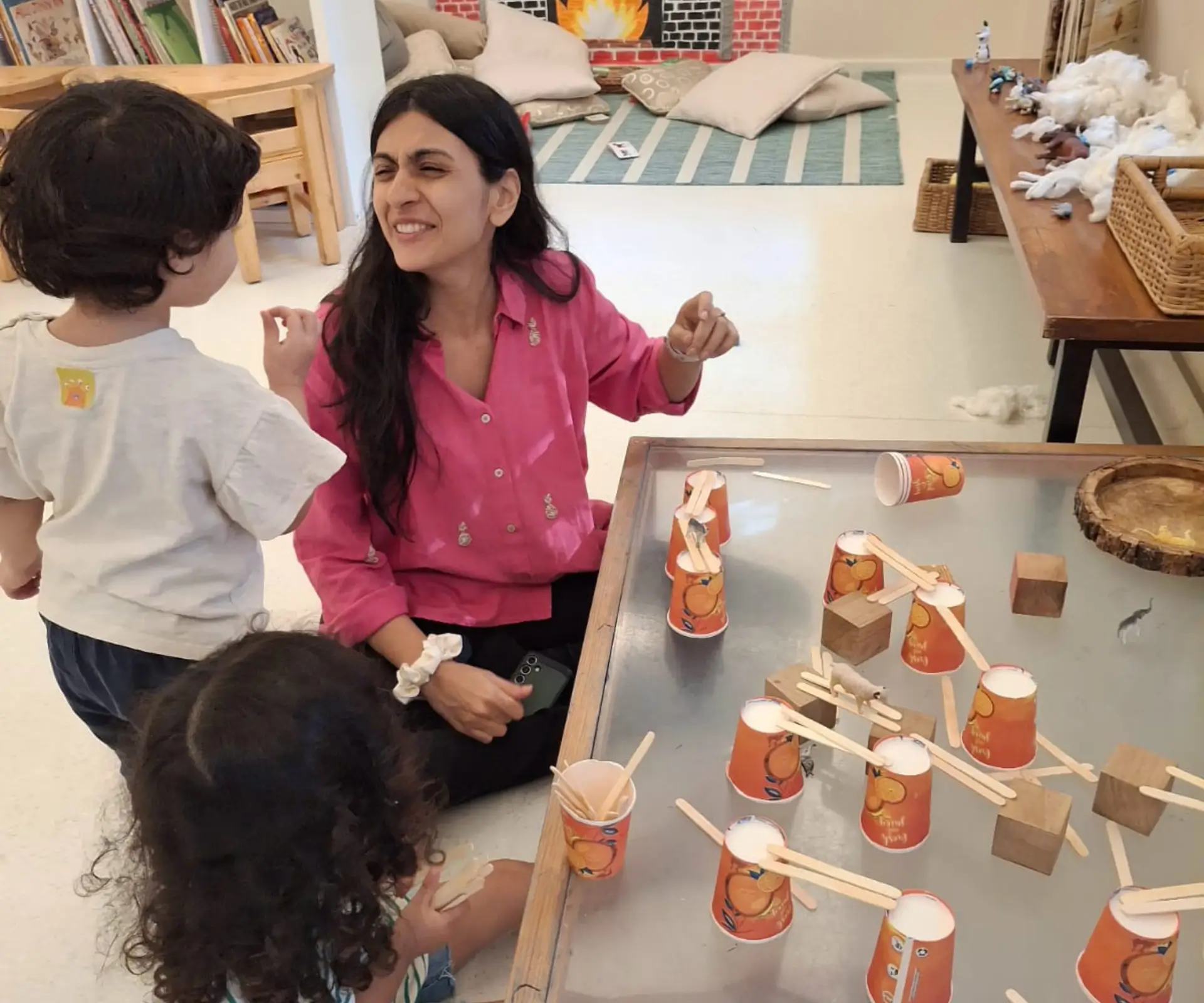
Thoughtful documentation follows learning; it does not lead it.
Educators observe attentively.
They listen carefully.
They document with intention.
What is captured is immersion, not compliance.
Curiosity, not completion.
Thinking in motion.
This preserves the integrity of the learning process and respects the child as an active participant, not a performer.
Documentation as a Valued Artifact
When documentation is curated with care, it becomes more than evidence. It becomes an artifact of learning.
Like a museum piece, it holds meaning.
It tells a story.
It invites interpretation rather than judgement.
When displayed in learning spaces, these artifacts become natural “show me” moments, not staged demonstrations, but authentic narratives of learning for children, families, and the wider community.
Staying True to What We Value
Honouring process over outcome requires consistency.
It asks us to align our language, our expectations, and our documentation practices with what we believe about how children learn. As we shared in our earlier blog, learning thrives in environments that value curiosity, effort, and meaning-making.
When we protect the process, we protect the child.
And when we resist the urge to turn learning into a performance, we allow it to remain what it should be: thoughtful, messy, and deeply human.