In early childhood education, one question often dominates conversations between adults: What has my child learned? We look for visible markers—letters recognised, numbers counted, shapes named. These outcomes feel reassuring, particularly because they are measurable.
In a Reggio Emilia–inspired environment, however, we begin from a very different place. Our focus is not on why children learn or on the outcomes they eventually produce, but on how learning happens. Because it is in the how that children develop the habits of mind and heart that will stay with them long after the early milestones matter.
The Reggio standpoint views children as competent. They are natural researchers. From infancy, they test ideas, observe cause and effect, and construct meaning through experience. Learning unfolds through exploration, curiosity, and relationships—with materials, with peers, and with adults who listen carefully.
When we shift our attention to how children learn, we begin to notice something powerful. Learning is not linear. It is messy, joyful, frustrating, playful, and deeply human. And it is in this process that the real work of childhood takes place.
Children as Researchers of the World
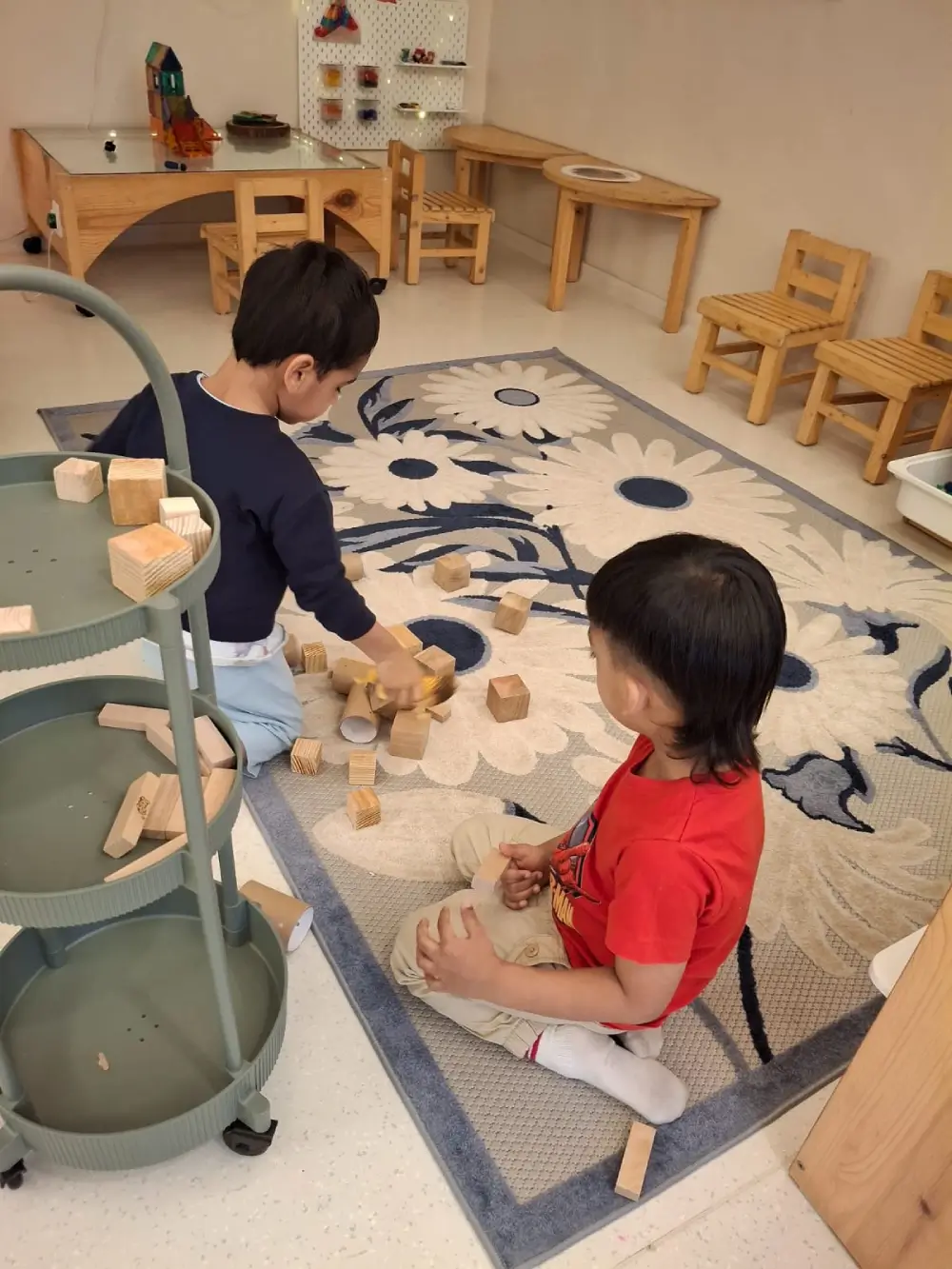
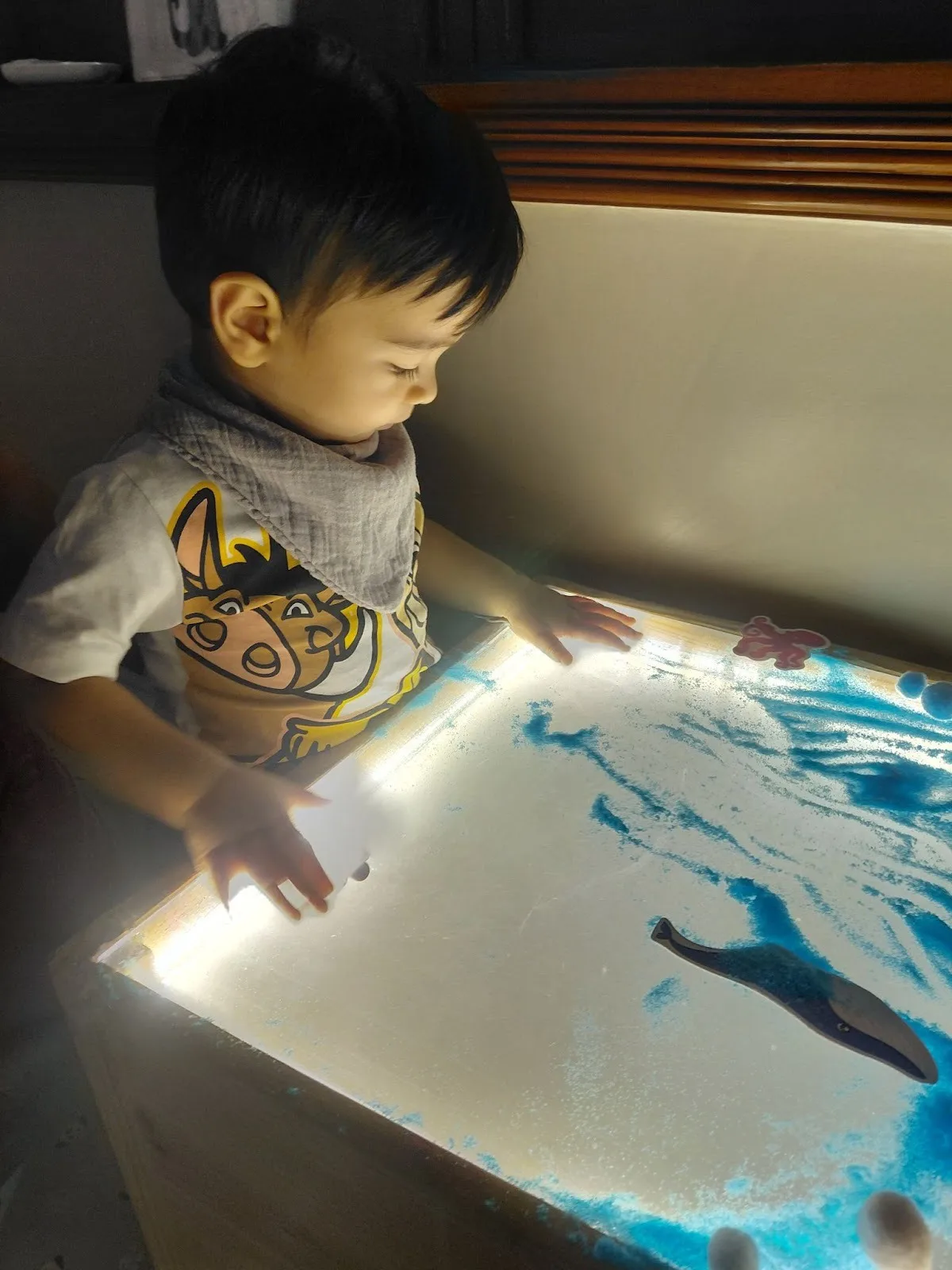
In a Reggio Emilia–inspired classroom, children are seen as capable and curious thinkers. They approach the world with questions rather than answers. A puddle is not just water on the ground; it is an invitation to test depth, movement, reflection, and balance. A pile of loose parts is not disorder; it is an invitation to explore.
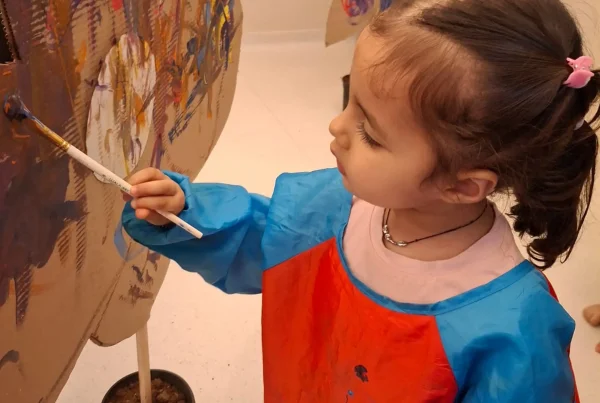
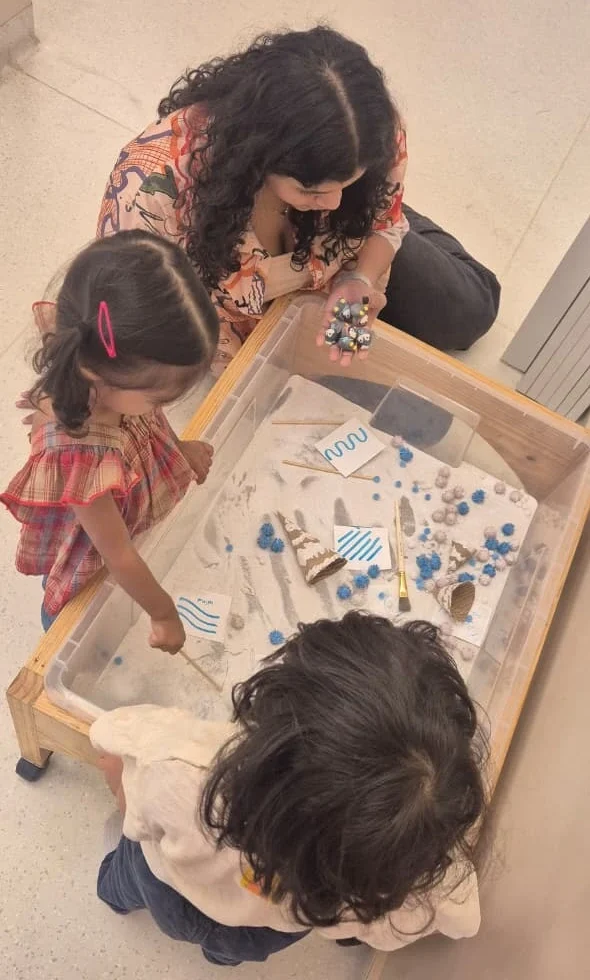
Children learn by doing. They learn by touching, revisiting, negotiating, and trying again. A tower that falls becomes an opportunity to test stability. A spilled cup becomes a lesson in gravity, control, and patience. These experiences are not interruptions to learning; they are learning.
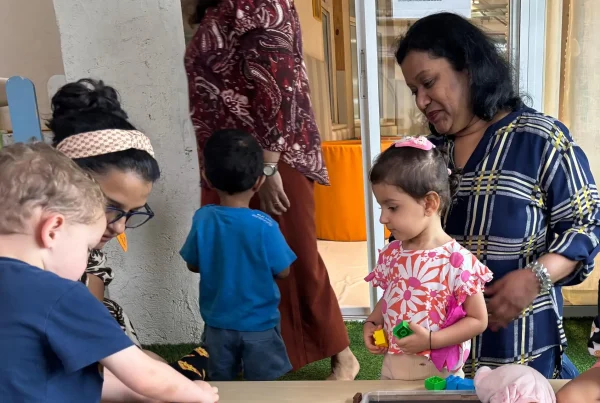
When we observe closely, we see children constantly refining their thinking. They adjust their strategies. They build theories and abandon them. They collaborate, disagree, and co-construct ideas with others. None of this can be captured on a worksheet, yet it forms the foundation for deep understanding.
This is why the Reggio Emilia approach places such importance on the learning process. The goal is not to rush children toward predetermined outcomes, but to give them time, space, and trust to explore meaningfully.
The Power of Process
When adults focus on outcomes alone, learning can become transactional. A child performs a task, receives praise, and moves on. But when we focus on the process, learning becomes relational and reflective.
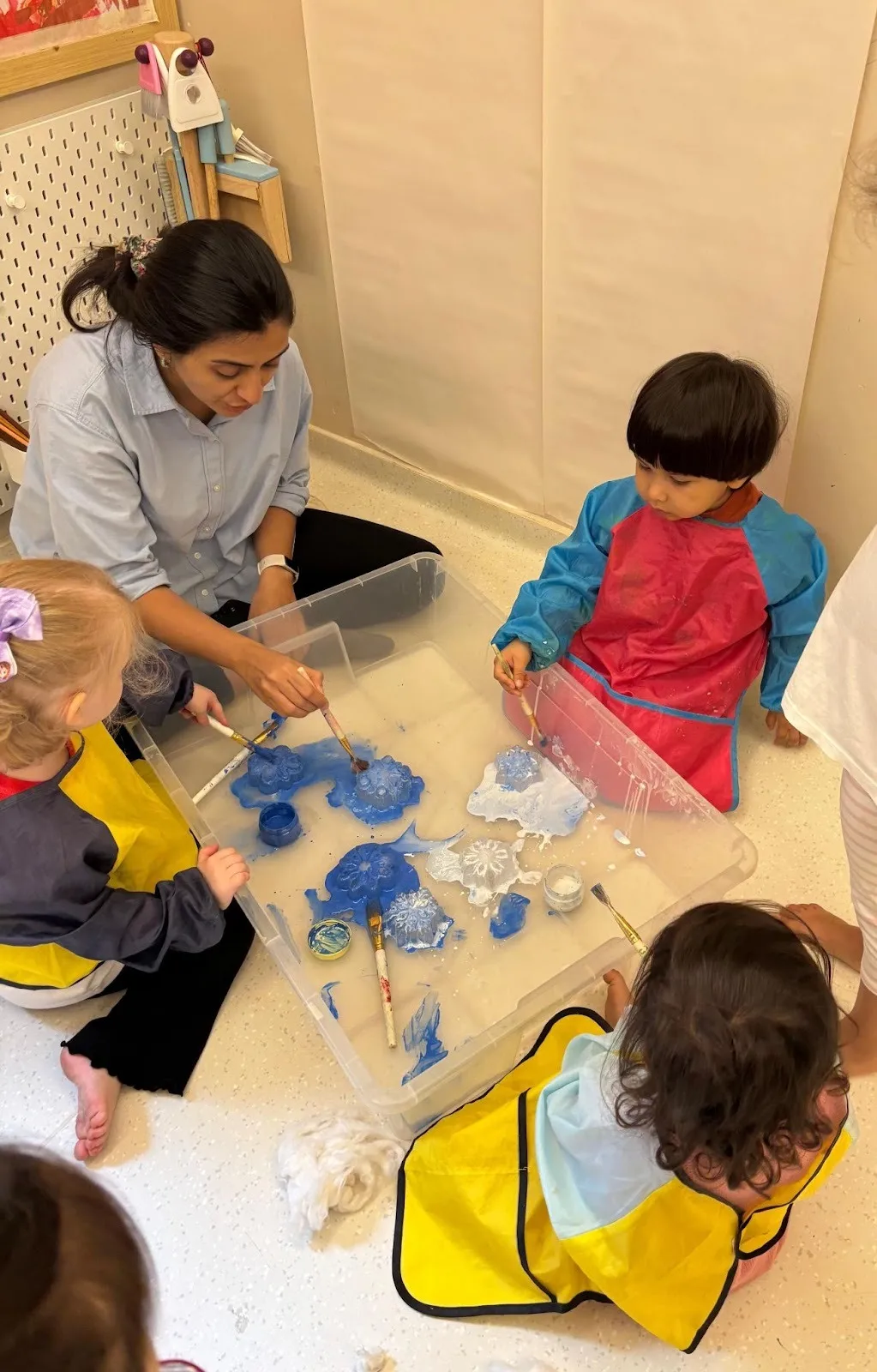
The real magic lies in the moments we often overlook. The child who steadies their hands after a wobble. The pause before trying a new strategy. The quiet collaboration between two children solving a shared problem. These moments build far more than academic skills.
Resilience grows when a child learns that mistakes are not failures, but information. Confidence develops when effort is recognised, not just success. Curiosity deepens when children are allowed to follow an idea rather than rush to a result.
“Success is not mastering the skill. It is the resilience to try again after the wobble” says our pedagogista, Angela Mee Lee, at Circles and Cycles, a preschool in Bandra.
When we praise effort instead of outcome, we are not simply encouraging persistence. We are shaping a learner’s identity. We are saying, You are someone who thinks, tries, and grows. Not someone who performs only when success is guaranteed.
The true win, after all, is not the final product. It is the moment of deep engagement. It is the child who is fully absorbed, thinking with their hands and body, immersed in discovery.
Why Outcomes Can Be Misleading
Letters and numbers matter. Skills and knowledge matter. But when outcomes become the primary focus, we risk missing the learning that led there.
A child may recite the alphabet flawlessly, yet feel anxious when faced with a challenge. Another may struggle to identify letters, yet demonstrate extraordinary problem-solving, empathy, and perseverance. If we only celebrate visible achievements, we send a subtle message about what is valued.
Children quickly learn what earns approval. If praise is reserved for correct answers and completed work, they may begin to avoid risk. They may hesitate to try something new unless success feels certain. In this way, an overemphasis on outcomes can quietly undermine curiosity.
As one reflection reminds us: Stop grading the output. Start honouring the persistence.
When we slow down and observe how a child reaches an outcome through the thinking behind their actions and the thoughts they express, we begin to see learning as a lived experience.
The Role of the Adult
As adults, our instinct to look for results comes from care. We want reassurance that our children are “on track.” We want evidence that our efforts are working. This is natural.
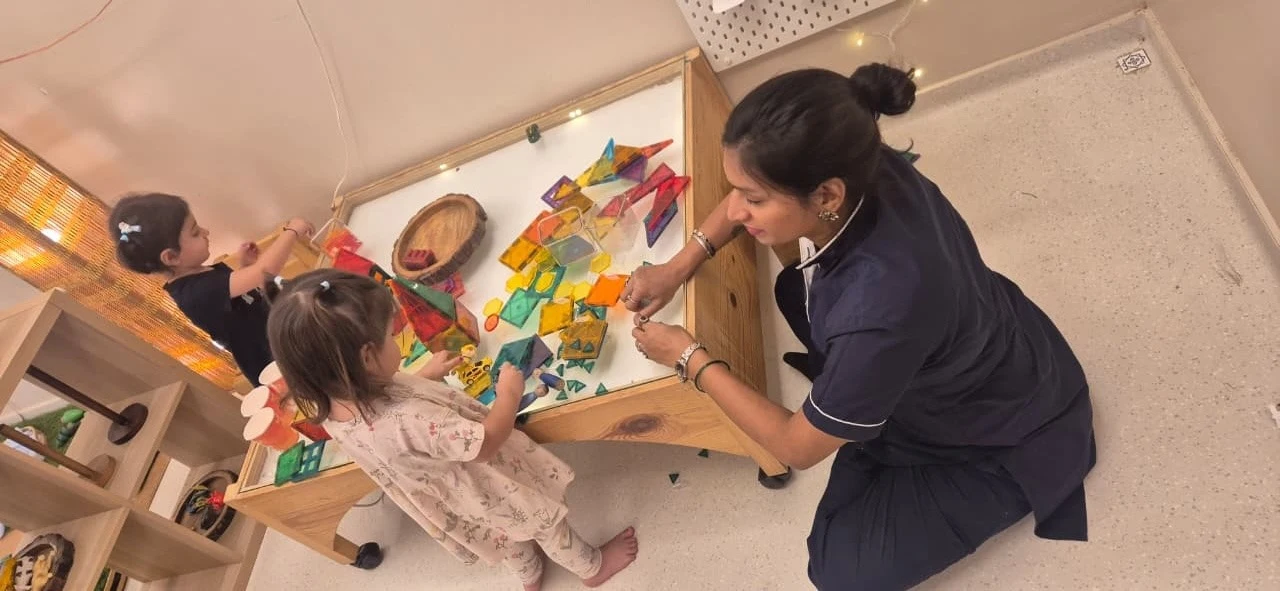
But in a process-oriented approach, the adult’s role shifts. Instead of directing learning, we listen. Instead of correcting quickly, we pause. Instead of asking, What did you make? we ask, How did you decide to do that?
This shift requires trust. Trust in the child’s capability. Trust in the learning process. And trust that deep learning cannot always be rushed or measured immediately.
When parents and facilitators align around this perspective, children receive a powerful message. Learning is not about pleasing adults. It is about exploration, meaning, and growth.
One quote captures this beautifully: The best thing you can teach your child isn’t what to know, but how to seek.
A Gentle Shift for Parents
For many parents, focusing on process over outcome requires a conscious shift. It asks us to let go of comparison and timelines. It invites us to observe rather than evaluate.
This does not mean ignoring progress. It means broadening how we define it. Progress might look like a child persisting longer than before. It might look like asking a new question, collaborating with a peer, or returning to an idea with fresh curiosity.
When we focus only on the destination, we risk teaching children to fear the journey. If success is celebrated only at the end, the middle can become something to rush through or avoid altogether.
Parents play a vital role in protecting the spark of learning. Focus on the spark, not the score. That spark is what fuels lifelong learning.
Learning That Lasts
The qualities that matter most in a rapidly changing world cannot be memorised. They are developed through experience. Creativity. Collaboration. Resilience.
These qualities emerge when children are trusted to explore deeply and supported through challenges. They emerge when effort is valued and mistakes are welcomed. They emerge when adults honour the learning process.
In a Reggio Emilia inspired environment, learning is not rushed toward outcomes. It is lived, revisited, and reflected upon. Children are seen, heard, and taken seriously as thinkers.
When parents and facilitators together celebrate how children learn, we nurture more than knowledge. We nurture a mindset. A relationship with learning that is joyful, meaningful, and enduring.
That is the learning that lasts.