At Circles & Cycles, our work with children is only one part of the story. The other, equally important part, is how we engage with adults, i.e. facilitators, caregivers, and fellow educators, who are shaping children’s experiences every day.
Our educator workshops are an extension of our classroom philosophy and are central to how we think about learning, growth, and responsibility within early childhood spaces.
Spreading Knowledge, Thoughtfully
The Reggio Emilia approach is often described as a philosophy, but in practice, it is a way of seeing children, learning, and relationships.
Workshops allow us to share this perspective more widely, not as a fixed method, but as a set of values and questions:
- What does it mean to truly listen to a child?
- How do environments influence behaviour and thinking?
- What are we noticing, and what are we missing?
Rather than simplifying these ideas, we aim to deepen them, so they can be meaningfully interpreted in different contexts.
Deepening Understanding of Values
It is easy to adopt the visible aspects of an approach such as materials and aesthetics. It is much harder to engage with the underlying values.
Our workshops create space to explore ideas such as:
- The image of the child as capable and competent
- The role of the adult as a co-learner
- The importance of relationships in constructing knowledge
As Loris Malaguzzi emphasised, our image of the child determines how we design experiences, respond to behaviour, and interpret learning. When this image shifts, practice shifts.
Becoming More Intentional Through Feedback
Teaching can often feel isolating. Many facilitators work without regular opportunities to reflect on their practice with others who share similar values.
Workshops create structured moments for:
- Reflection on real classroom experiences
- Reflection on school culture
- Dialogue and intentional co-creation with peers
- Constructive feedback
This process helps facilitators move from reacting in the moment to acting with intention. It sharpens observation, strengthens decision-making, and builds confidence in navigating complex classroom dynamics.
Learning to Observe, Not Just Look
Observation is a cornerstone of the Reggio Emilia approach, but it is often misunderstood.
To observe is not just to record what children do: it is to interpret, hypothesize, and question. Observations lead to real moments of inquiry, research and practice.
In our workshops, we slow down this process. We ask:
- What is the child communicating here?
- What theories might they be building?
- How does our presence influence what unfolds?
As highlighted in Reggio-inspired literature, observation is an act of research. It requires patience, curiosity, and a willingness to suspend judgement.
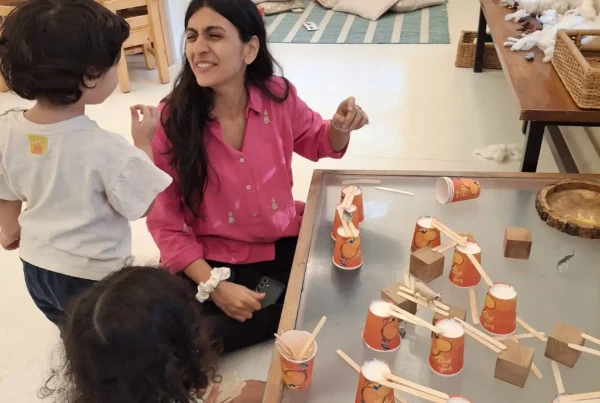
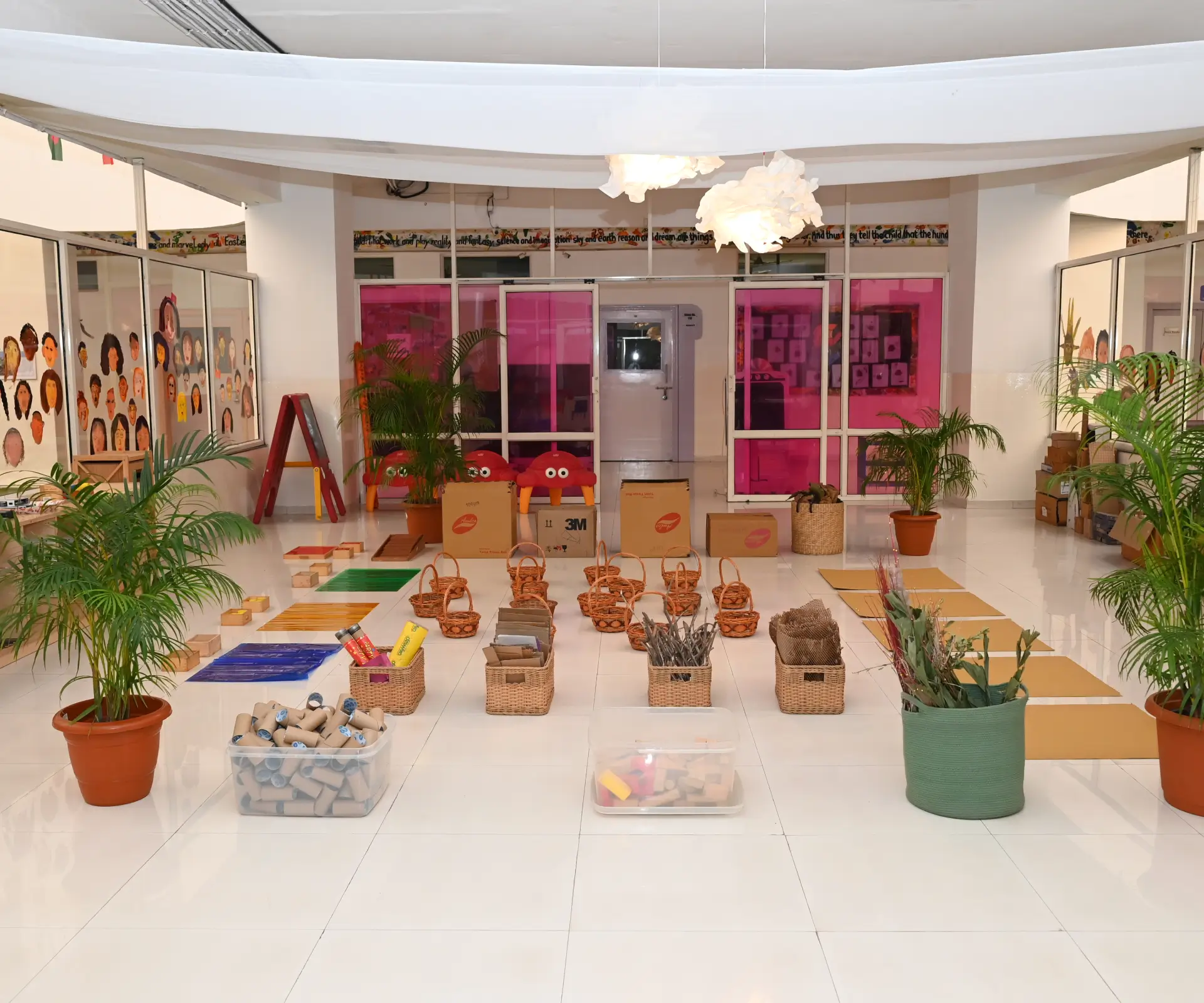
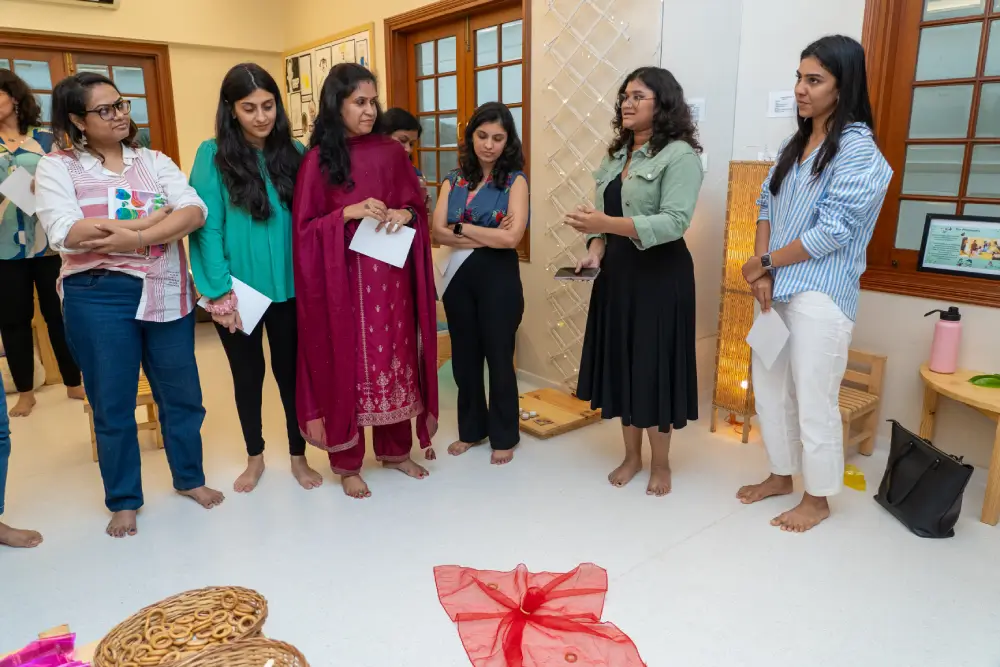
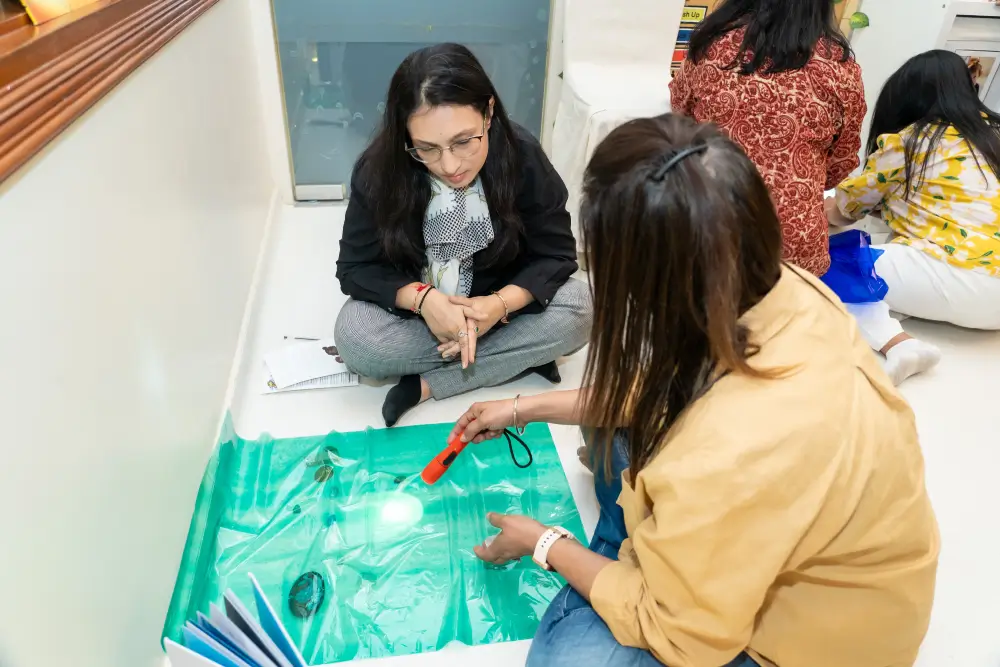
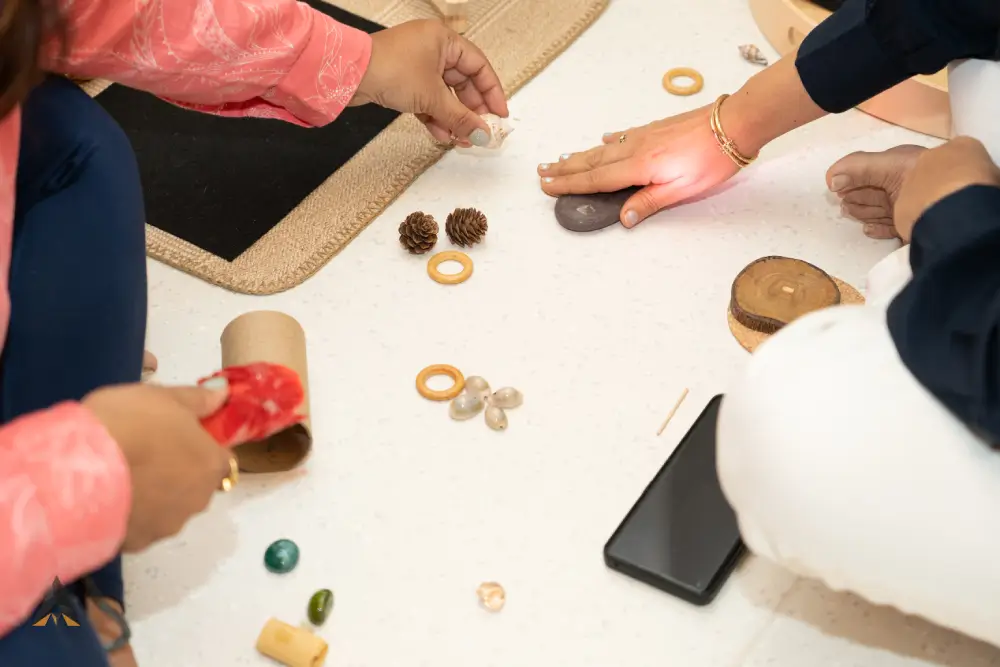
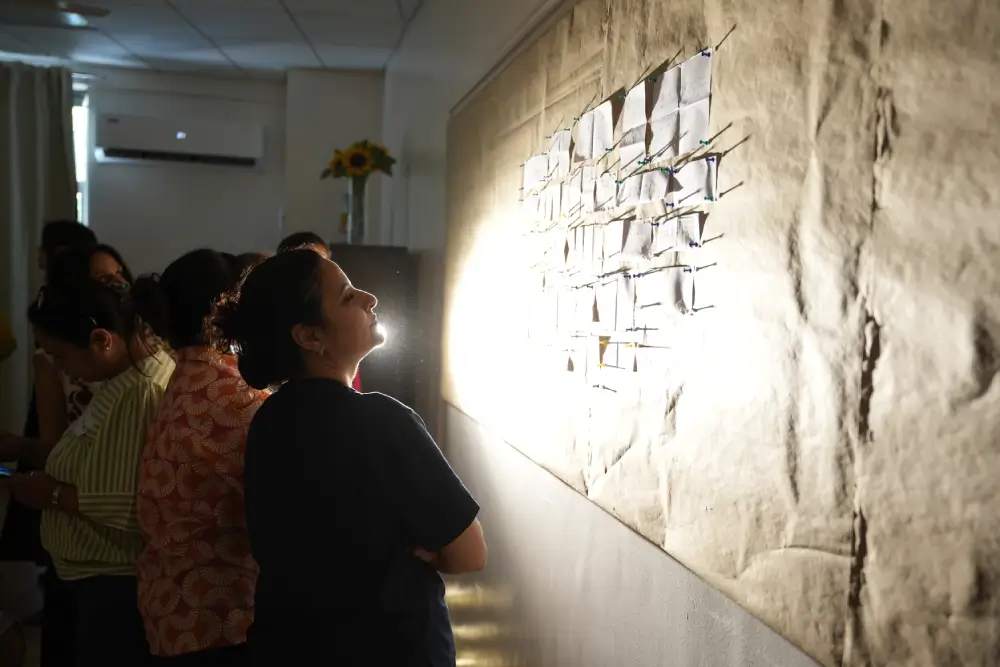
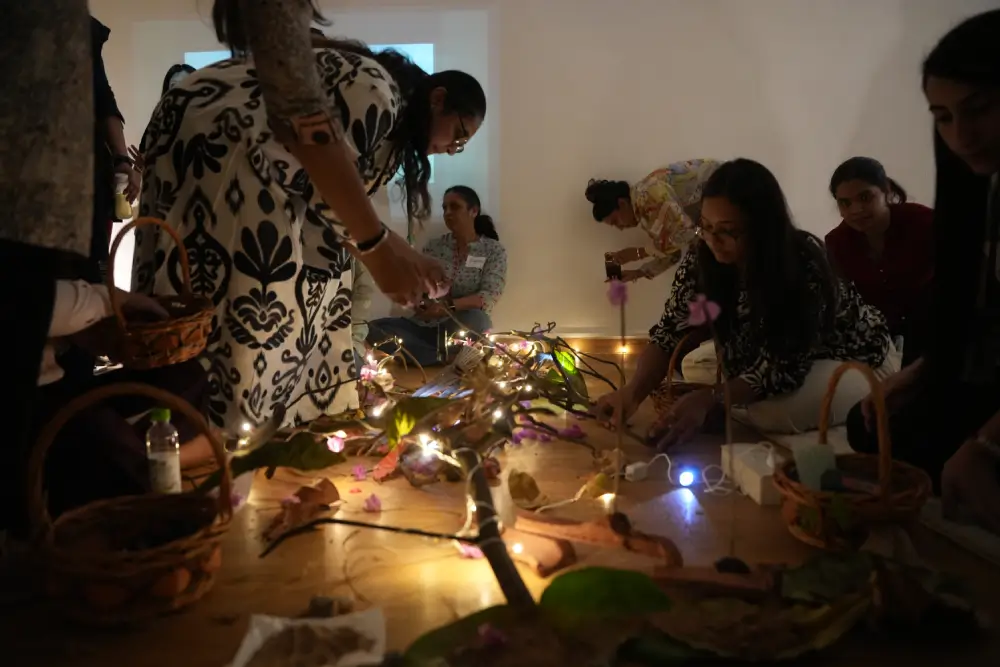
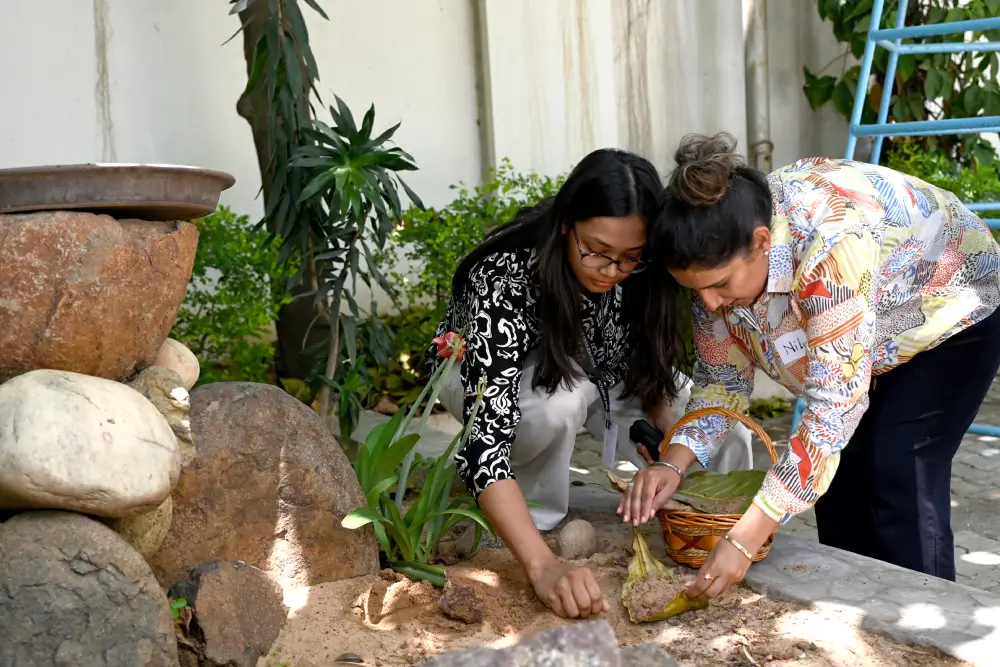
In one of our recent workshops, facilitators spent time working with simple, open-ended materials in a thoughtfully prepared environment. What began as collection and exploration slowly shifted into deeper observation and conversation. Participants started to notice not just what they were doing, but how they were thinking.
A common realisation emerged: creativity does not come from budgets, but from intention. When materials are offered as invitations, and when the environment is given importance, learning begins to unfold in more meaningful ways. As the day progressed, facilitators experienced what it means to slow down, to stay with a moment, and to allow curiosity to lead rather than rushing toward outcomes.
Building a Professional Learning Community
Perhaps the most meaningful outcome of our workshops is the sense of community that emerges.
When educators come together with a shared commitment to children, something shifts:
- Conversations become richer
- Challenges feel more manageable
- Learning becomes collective rather than individual
This community does not end when the workshop does. It continues in classrooms, in reflections, and in the everyday decisions facilitators make.