A toddler drops the same spoon again and again.
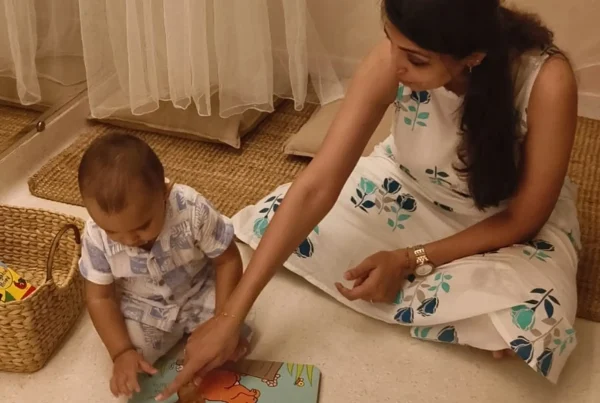
A child insists on reading the same book every night.
A preschooler revisits the same block structure, rebuilding it over and over.
To an adult, this can look like “just repetition.”
But in early childhood, repetition is not redundancy;it is research.
In early childhood in Parent-Toddler and Preschool years, we view repetition as one of the most powerful ways children make sense of their world.
Repetition Is How Children Think
Young children do not learn in straight lines. They learn in spirals.
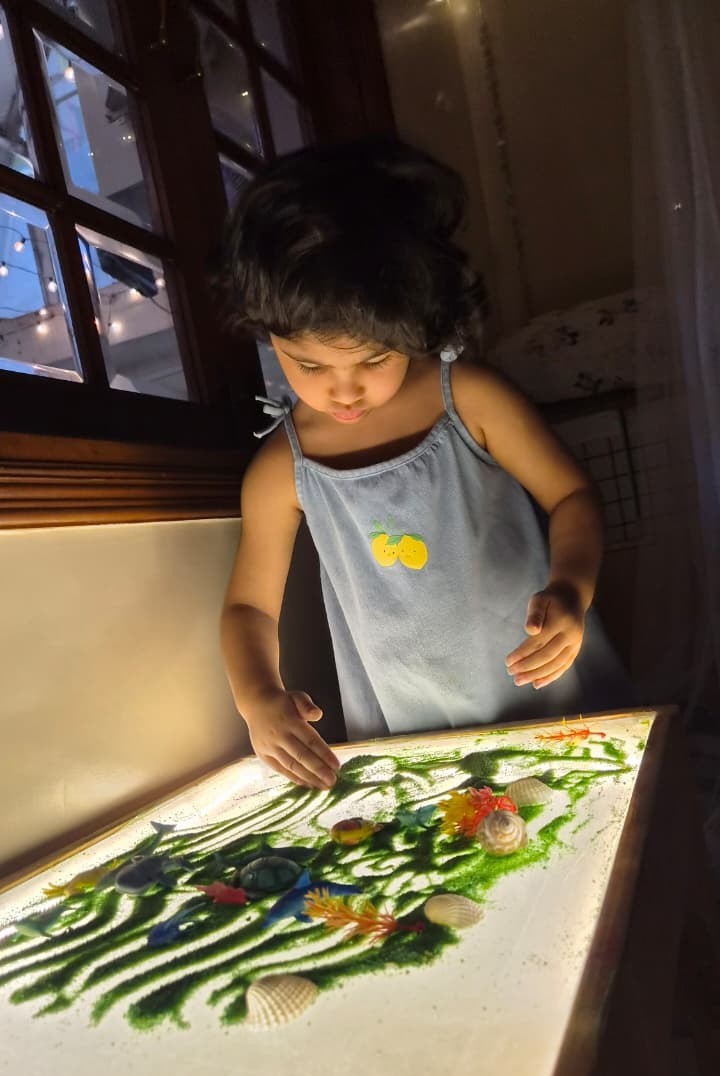
In the Reggio Emilia approach, learning is described as a “spiral progression”, where children revisit ideas, experiences, and materials again and again, each time deepening their understanding .
When a child repeats an activity, they are not doing the same thing. They are, in fact,
- Testing a new hypothesis
- Refining a skill
- Noticing a new detail
- Building confidence in what they already know
What looks like “again” is actually growth in motion.
The Power of Revisiting Experiences
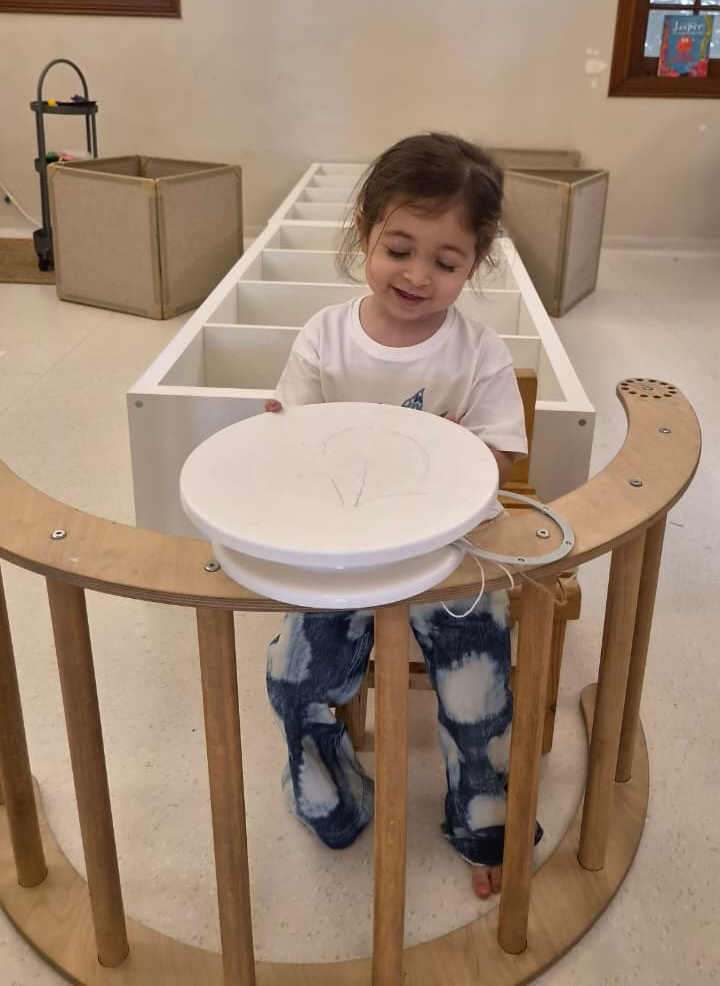
Repetition allows children to return to an experience with more clarity and intention.
Research highlights that experiences often need to be “repeated, expanded, discussed, and reflected on over time for big ideas to take root” .
This is why, in a thoughtfully designed environment:
- Materials remain accessible over time
- Projects extend across days or weeks
- Children are encouraged to revisit their work
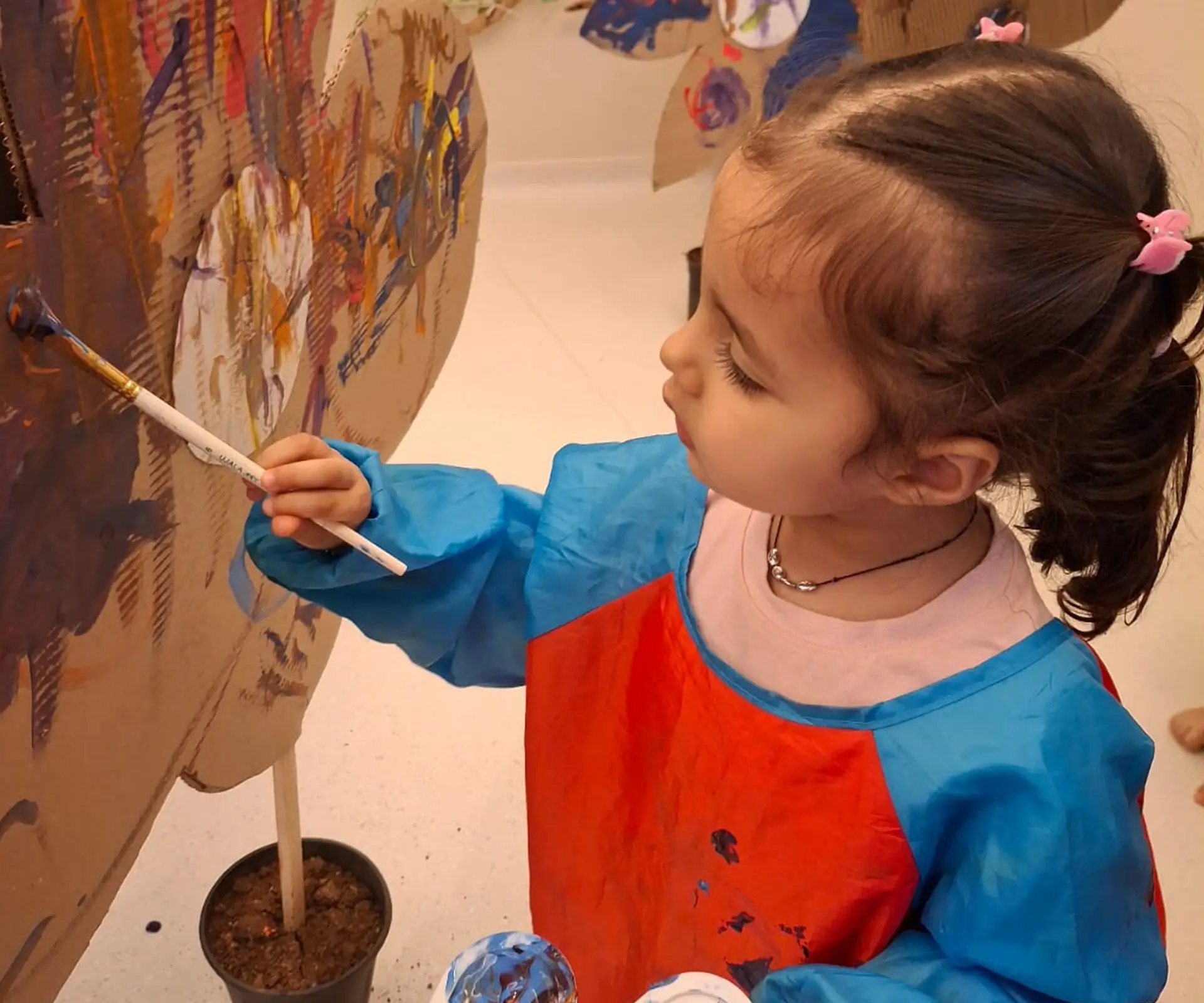
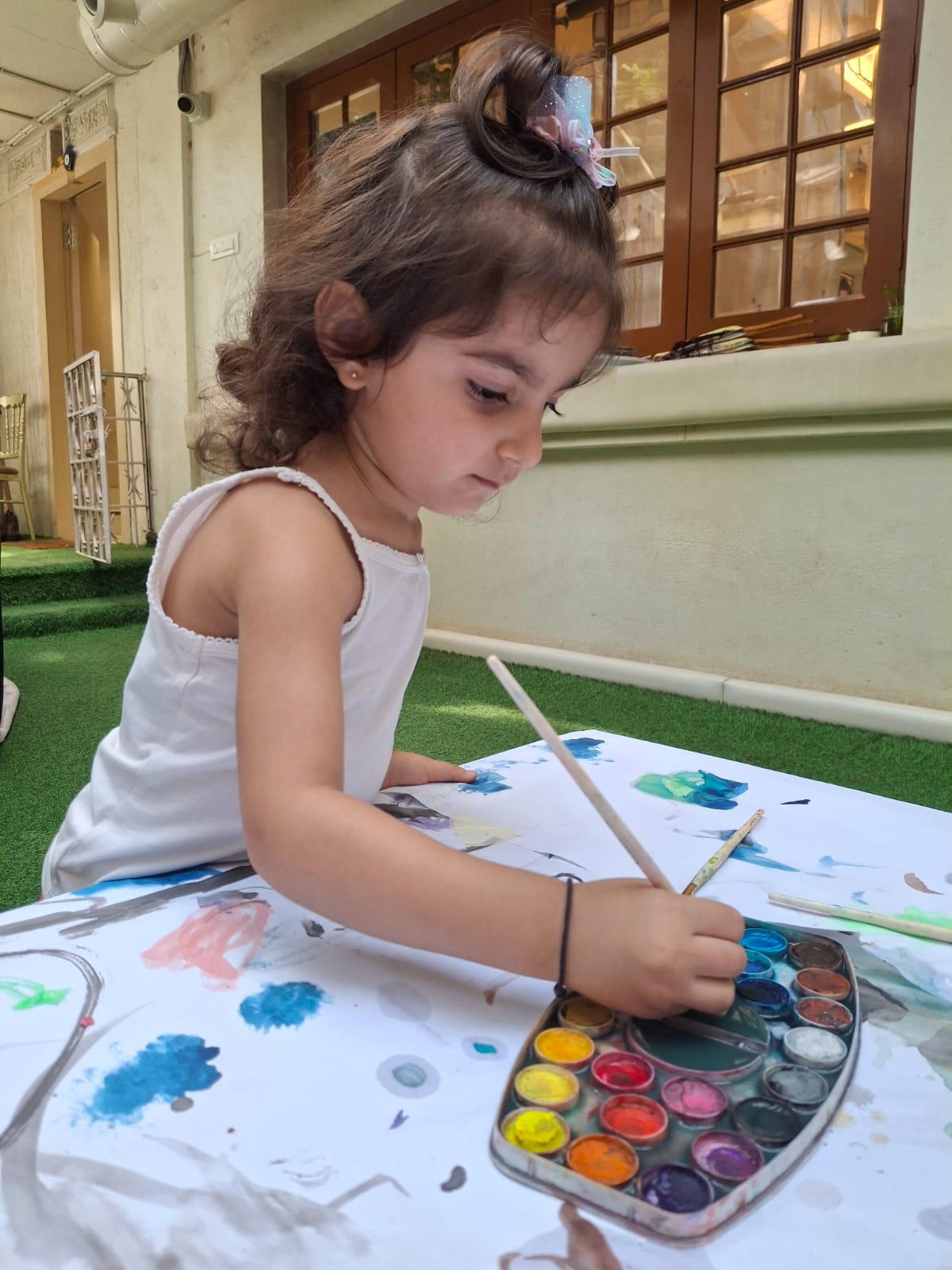
A child who paints with the same colours every day is not stuck—they are:
- Exploring cause and effect
- Developing control and technique
- Expressing evolving ideas
Each repetition adds a new layer of meaning.
Repetition Builds Mastery and Confidence
Children are driven by an internal desire to understand deeply and do things independently.
Repetition gives them the time and space to:
- Practice without pressure
- Make mistakes safely
- Experience success on their own terms
As Loris Malaguzzi emphasised, our role is not to rush learning but to allow children to construct knowledge themselves, intervening only when necessary .
When children repeat an activity:
- They move from uncertainty → familiarity → mastery
- They begin to anticipate outcomes
- They develop a strong sense of agency
This is where confidence is born, not from being told, but from discovering.
Repetition Strengthens Relationships and Meaning
Repetition is not only cognitive; it is deeply emotional and relational.
Children often repeat experiences that feel:
- Comforting
- Interesting
- Socially meaningful
For example:
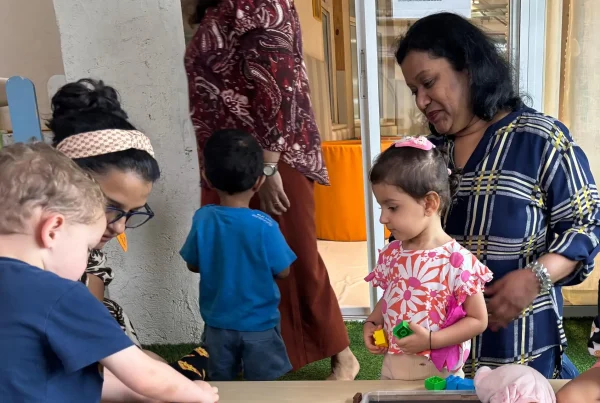
- Replaying a game with peers helps children understand relationships
- Repeating a story helps them process emotions
- Revisiting a shared experience builds connection
In Reggio-inspired environments, relational learning is highly valued. Children learn with others, with materials, and with the environment .
Repetition strengthens all of these connections.
The Role of the Environment: Inviting Repetition
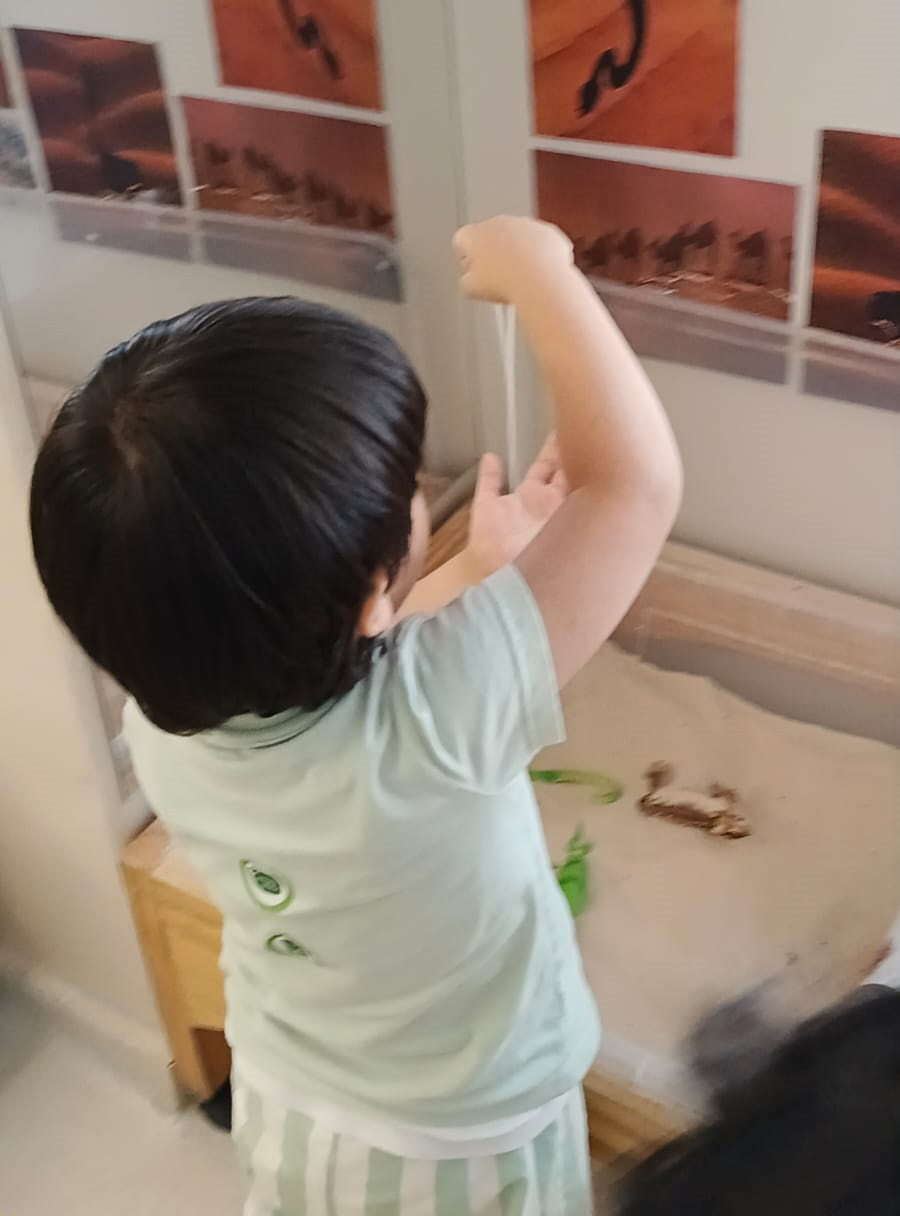
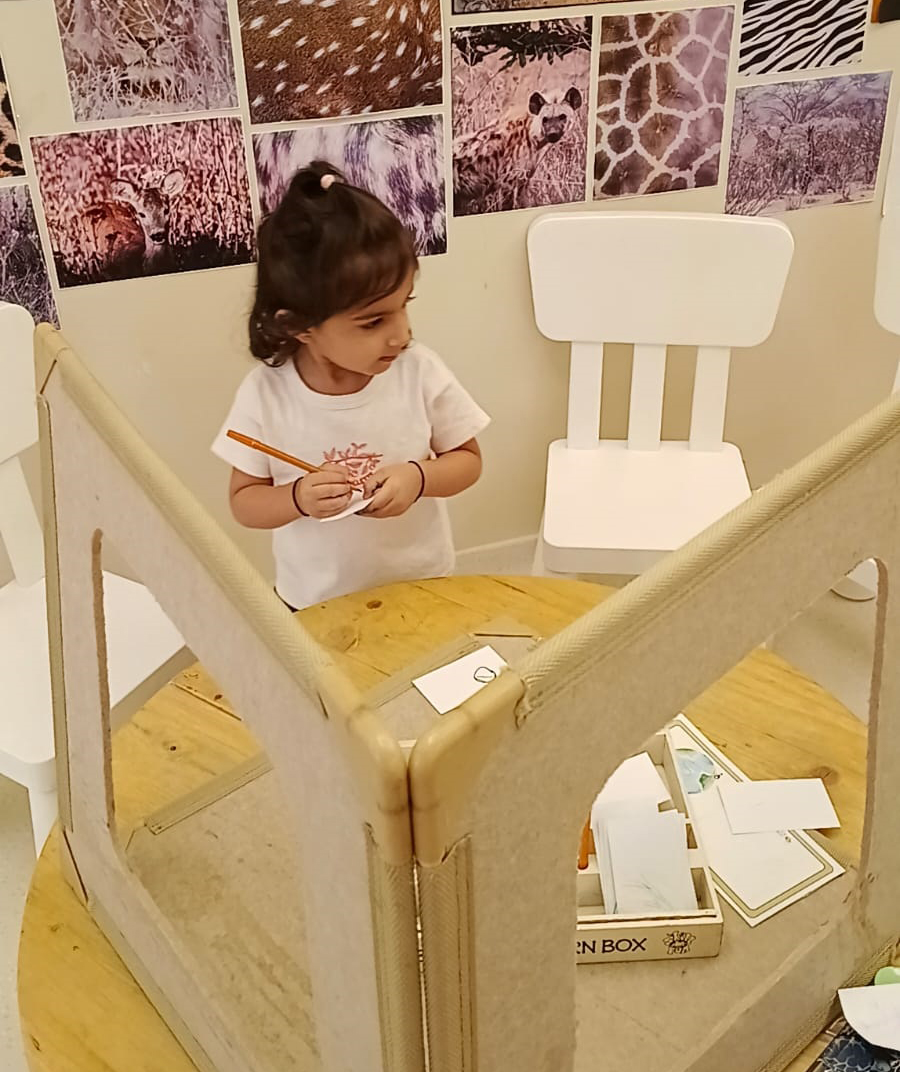
At Circles & Cycles preschool, repetition is not accidental. It is intentionally supported.
Thoughtfully designed provocations:
- Invite children back again and again
- Offer multiple ways to engage
- Allow for different outcomes each time
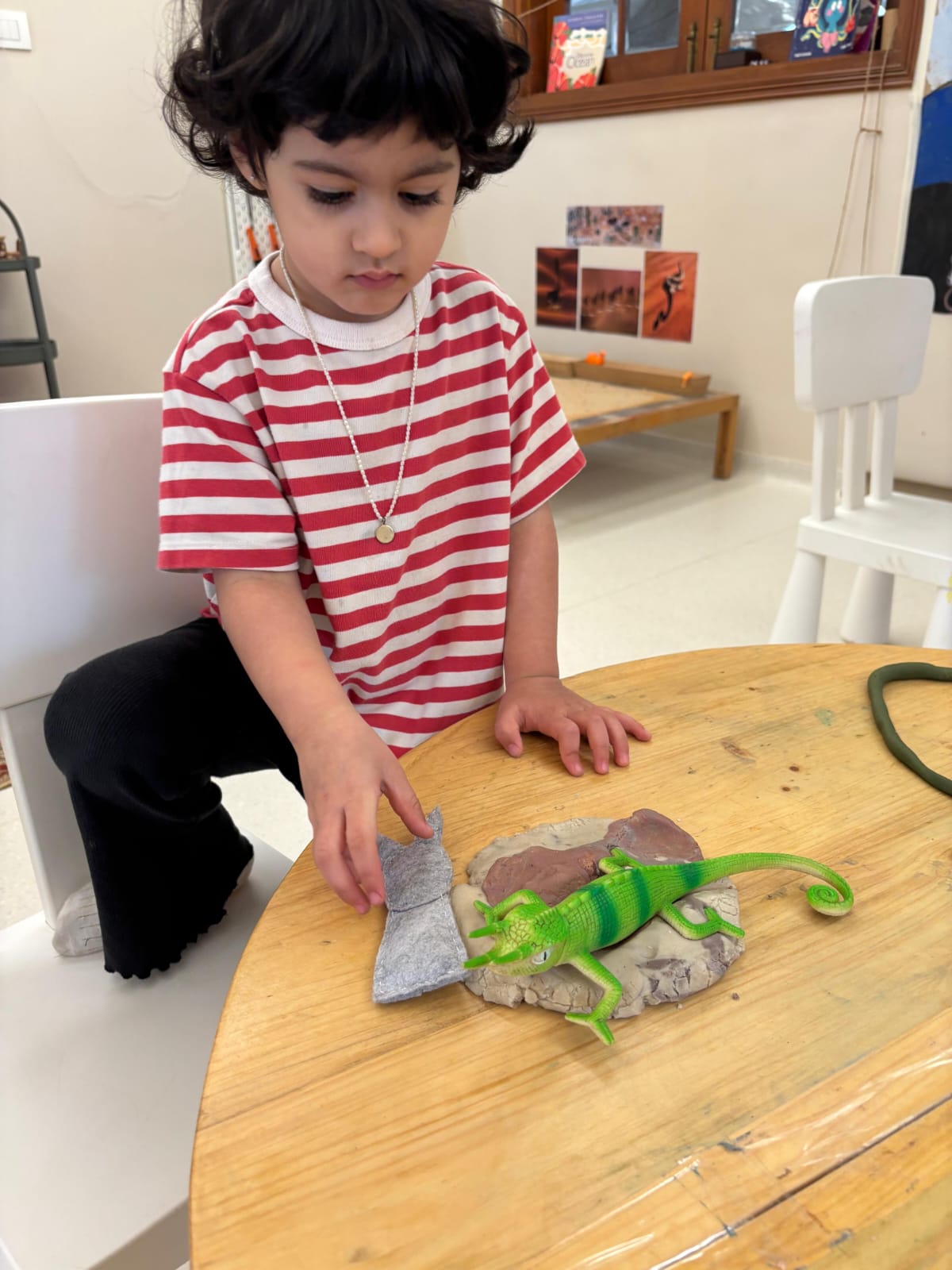
Effective provocations have “multiple entry and exit points,” enabling children to return and engage repeatedly in new ways .
This might look like:
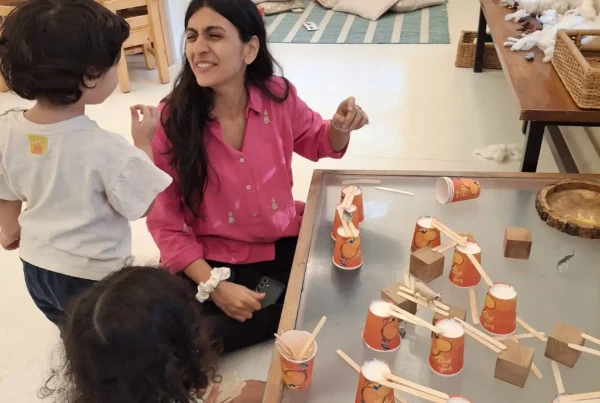
- Loose parts that can be rearranged endlessly
- Open-ended art materials that respond differently each time
- Spaces that encourage ongoing exploration
The goal is not to move children on quickly, but to stay with their thinking.
Repetition Requires Us to Slow Down
As adults, repetition can test our patience. Facilitators may feel tempted to introduce new provocations, and parents often wonder, “Why are we singing the same song again and again?” or “Why do the experiences look similar?”
In a Reggio-inspired environment, this is intentional.
Children need repeated exposure to ideas, materials, and experiences in order to think more deeply about them. Learning is not accelerated by constant novelty—it is strengthened through time, familiarity, and practice. As children revisit an experience, they notice new details, refine their understanding, and build confidence in their own thinking.
When we interrupt repetition too soon, we risk interrupting this process of meaning-making.
Seeing Repetition Differently
What if we began to see repetition not as something to manage, but something to honour?
The child who:
- Builds the same tower every day
- Asks for the same story
- Repeats the same movement
…is showing us exactly how they learn best.
They are telling us:
“I am not finished yet.”
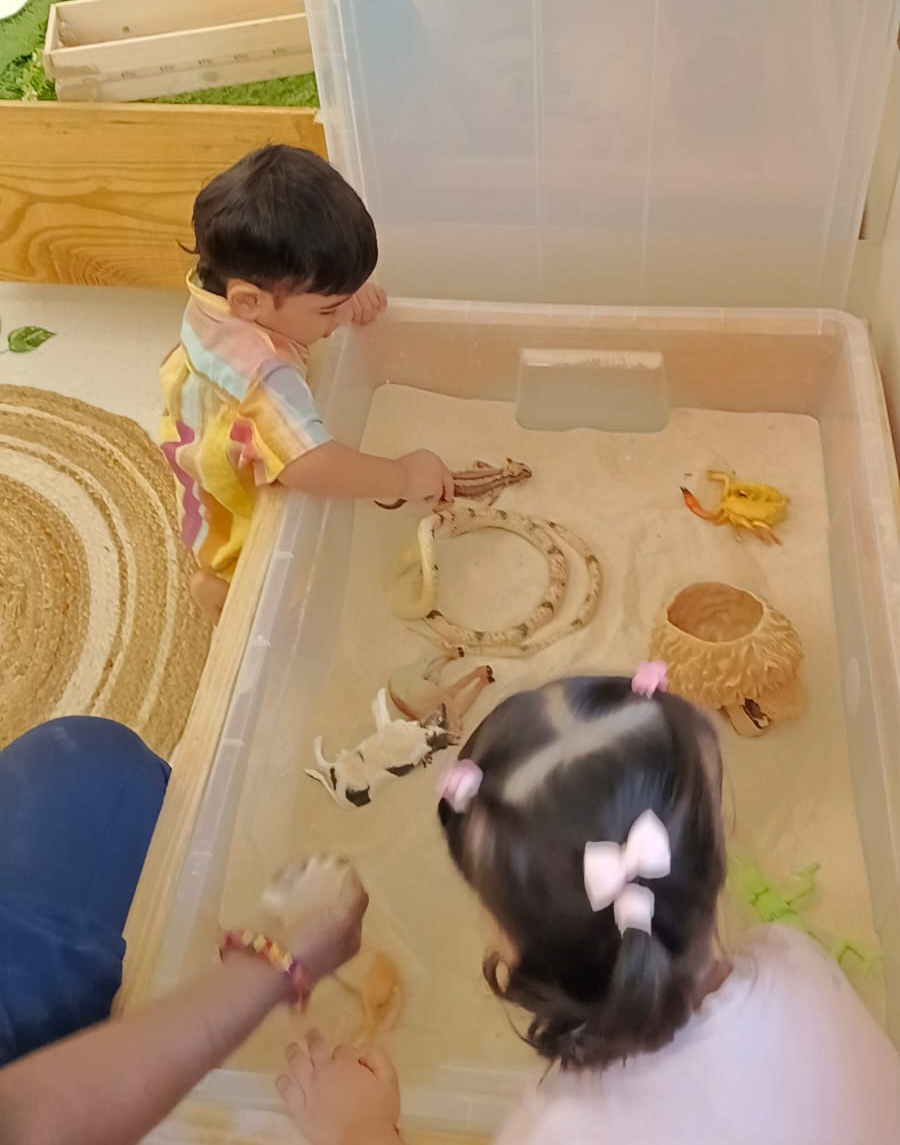
At Circles & Cycles Preschool
We design our environments, materials, and rhythms to respect this fundamental truth:
Children need time, space, and repetition to construct deep, meaningful learning.
Because in early childhood, learning is not about how many experiences a child has. It is about how deeply they are able to live each one.