In early childhood, nature is one of the most powerful teachers a child can have. Time spent outdoors — touching, digging, watching and wondering — builds the sensory, physical, emotional and cognitive foundations that screens and structured indoor activities simply cannot replicate. This is why nature-based, play-led learning sits at the heart of the Reggio Emilia approach we follow at Circles & Cycles in Bandra, Mumbai.
Finding Wonder in the Monsoon Season
As the monsoon arrives in Mumbai, many of us instinctively prepare for indoor days — rain gear, screens and a shift in our daily routines. But for young children, the rainy season offers something far more valuable: an open invitation to connect with nature.
At a time when children’s lives are increasingly structured and spent indoors, nature provides experiences that cannot be replicated by screens, toys or adult-directed activities. A puddle, a snail, a dripping leaf — each becomes a small classroom. Nature is not simply a backdrop for learning; it is a teacher in its own right.
Nature Engages All the Senses
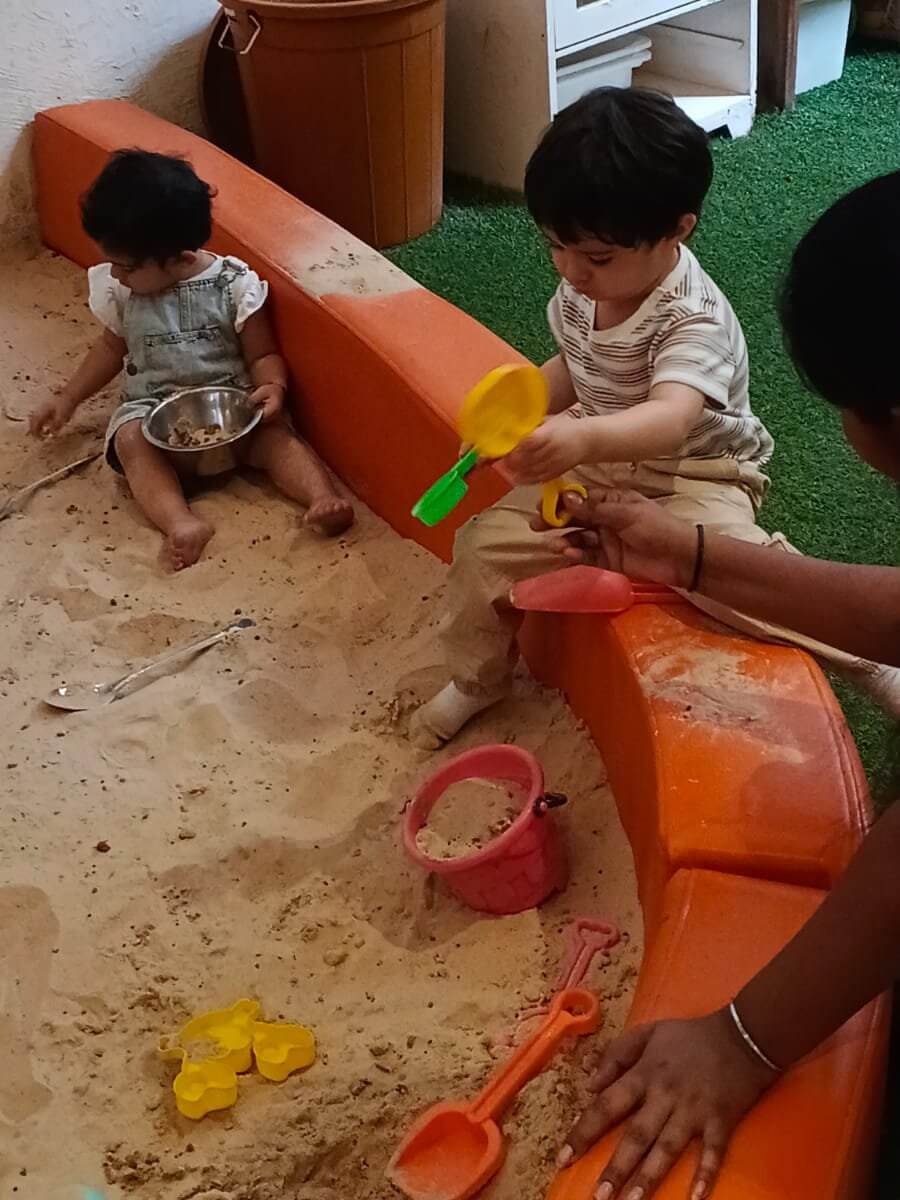
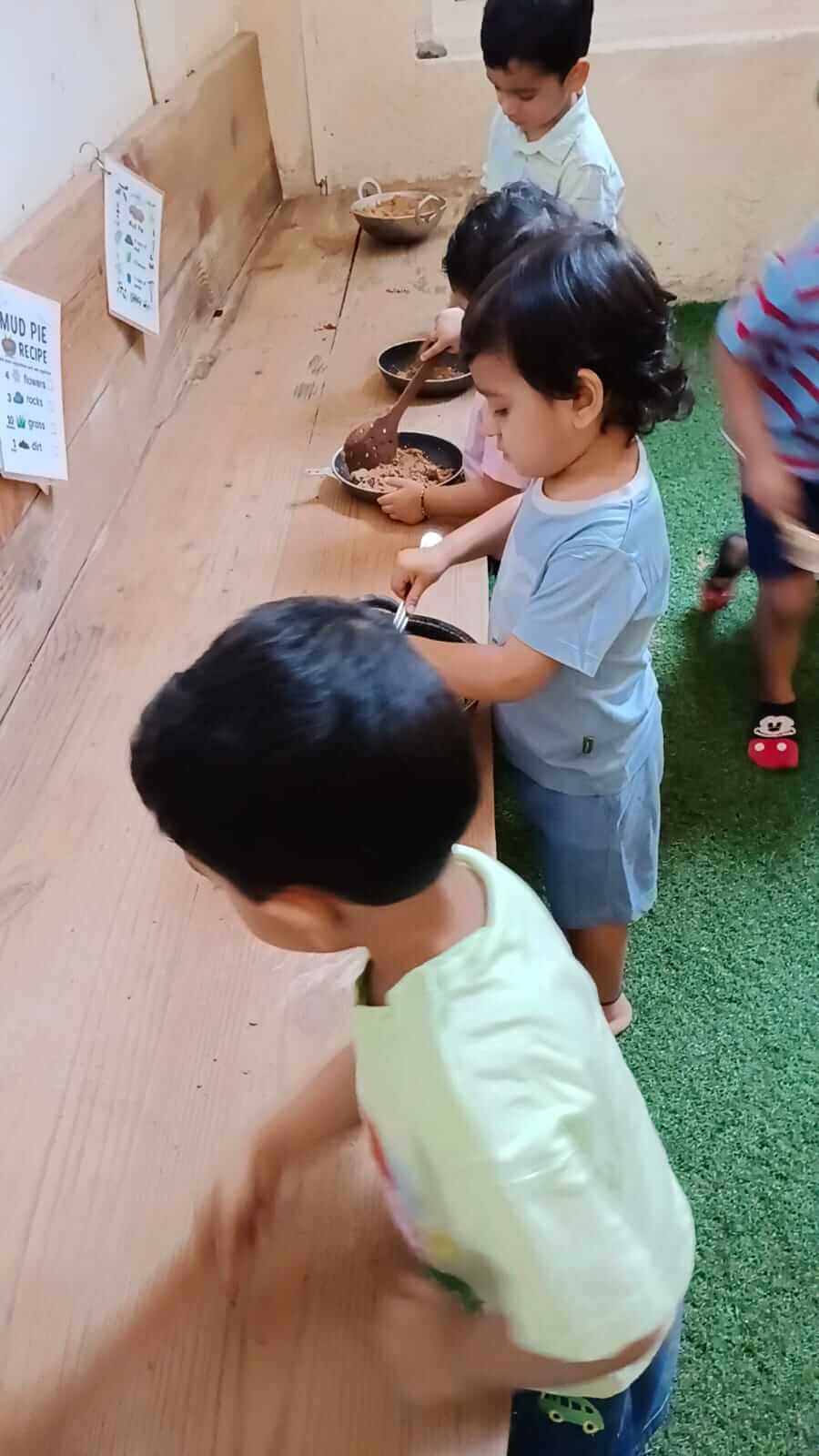
Young children learn through their bodies and their senses. The smell of wet earth after rain, the sound of raindrops on leaves, the feel of mud between their fingers and the sight of new plants emerging all create meaningful sensory experiences.
These sensory encounters help children build neural connections, develop awareness of their environment and deepen their understanding of the world around them. What parents can do: let your child get muddy. Offer a magnifying glass, a bucket, or simply time to touch and observe — the “mess” is the learning.
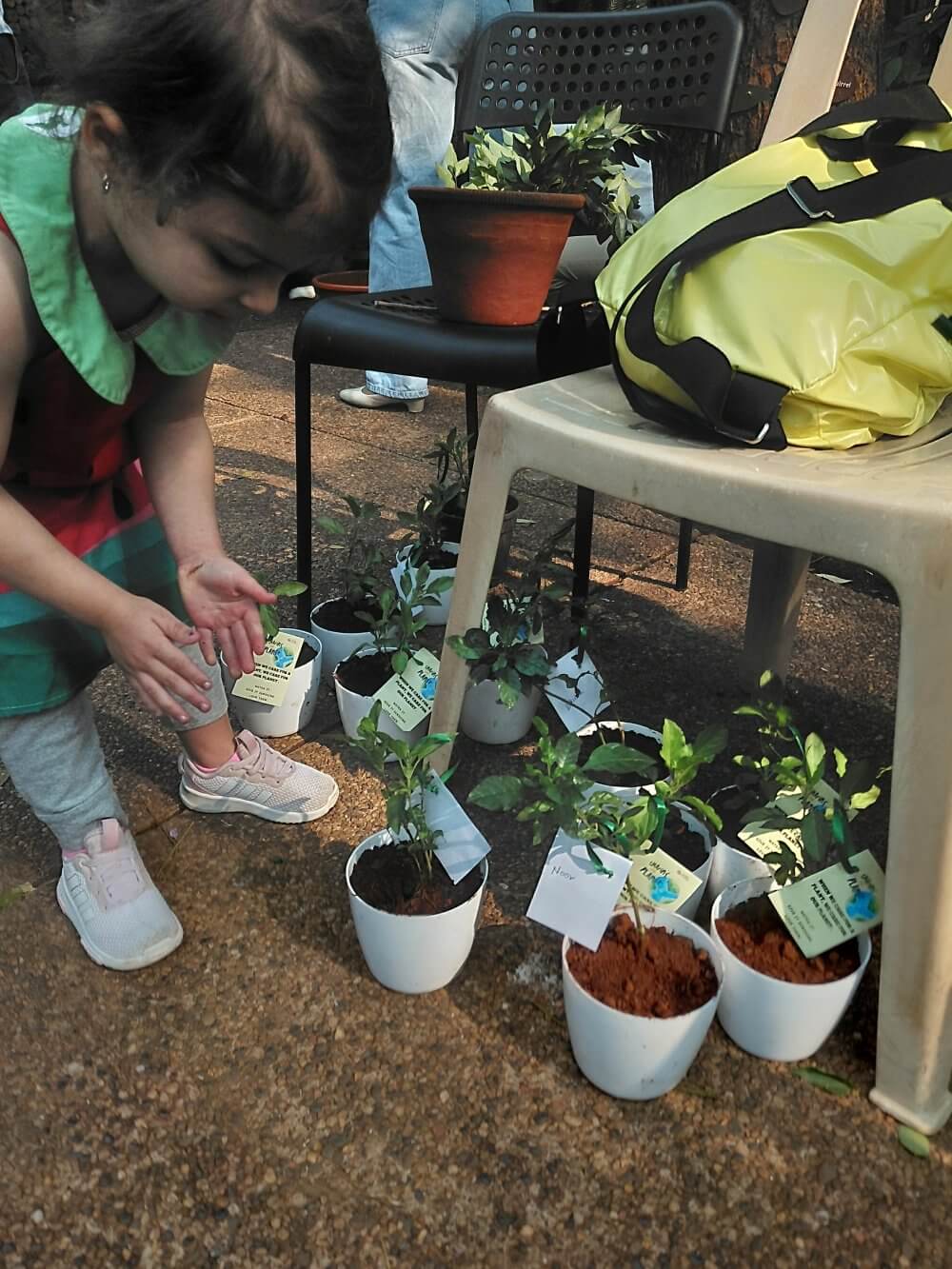
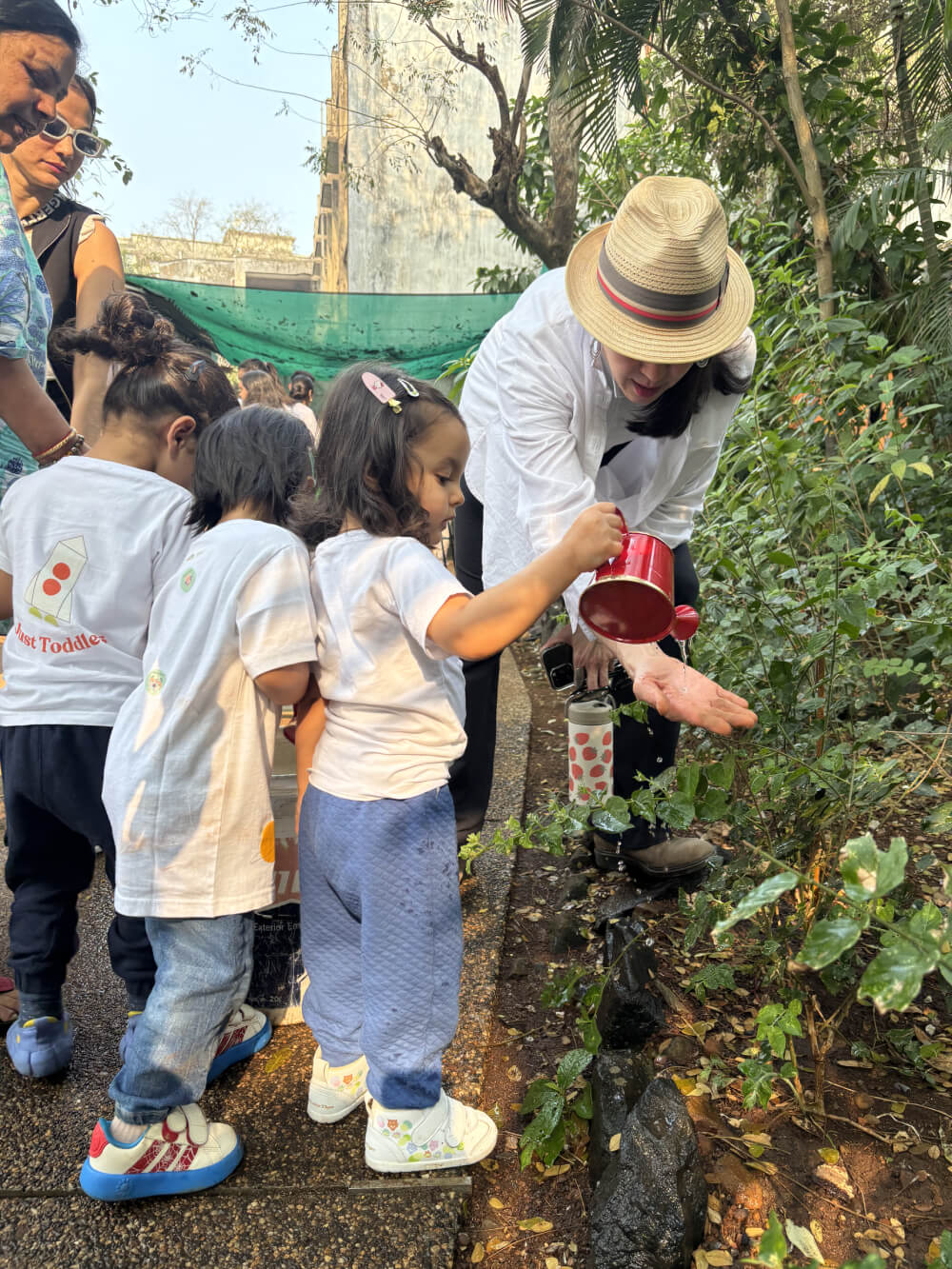
Nature Encourages Curiosity and Inquiry
A puddle is never just a puddle to a child. Given the freedom to explore, children naturally begin asking questions: Why do puddles form? Where does the rain come from? Why are worms appearing? How do plants grow so quickly after rain?
These moments spark scientific thinking, observation skills and a lifelong love of learning — and the most powerful learning often begins with a single question. Rather than rushing to answer, try responding with “What do you think?” Wondering alongside your child teaches them that their ideas matter — the seed of every young scientist, artist and problem-solver.
Nature Supports Physical Development
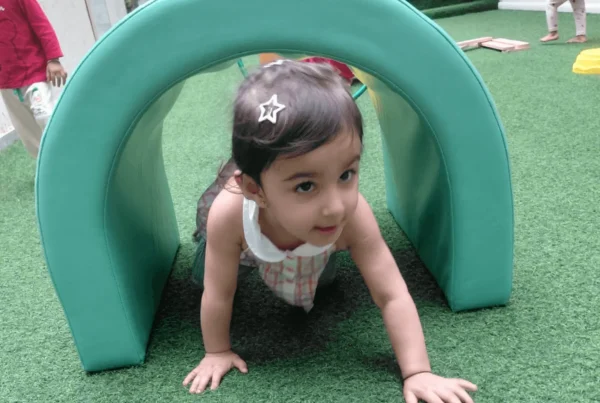
Natural environments invite movement in ways that traditional playgrounds often cannot. Children climb, balance, jump, dig, carry, run and navigate uneven surfaces. These experiences strengthen muscles, improve coordination and build confidence in their physical abilities.
A muddy path or a grassy hill offers exactly the kind of challenge that encourages children to assess risk and develop resilience. This is where gross-motor and fine-motor skills grow together — the same skills that later support handwriting, focus and independence in the classroom.
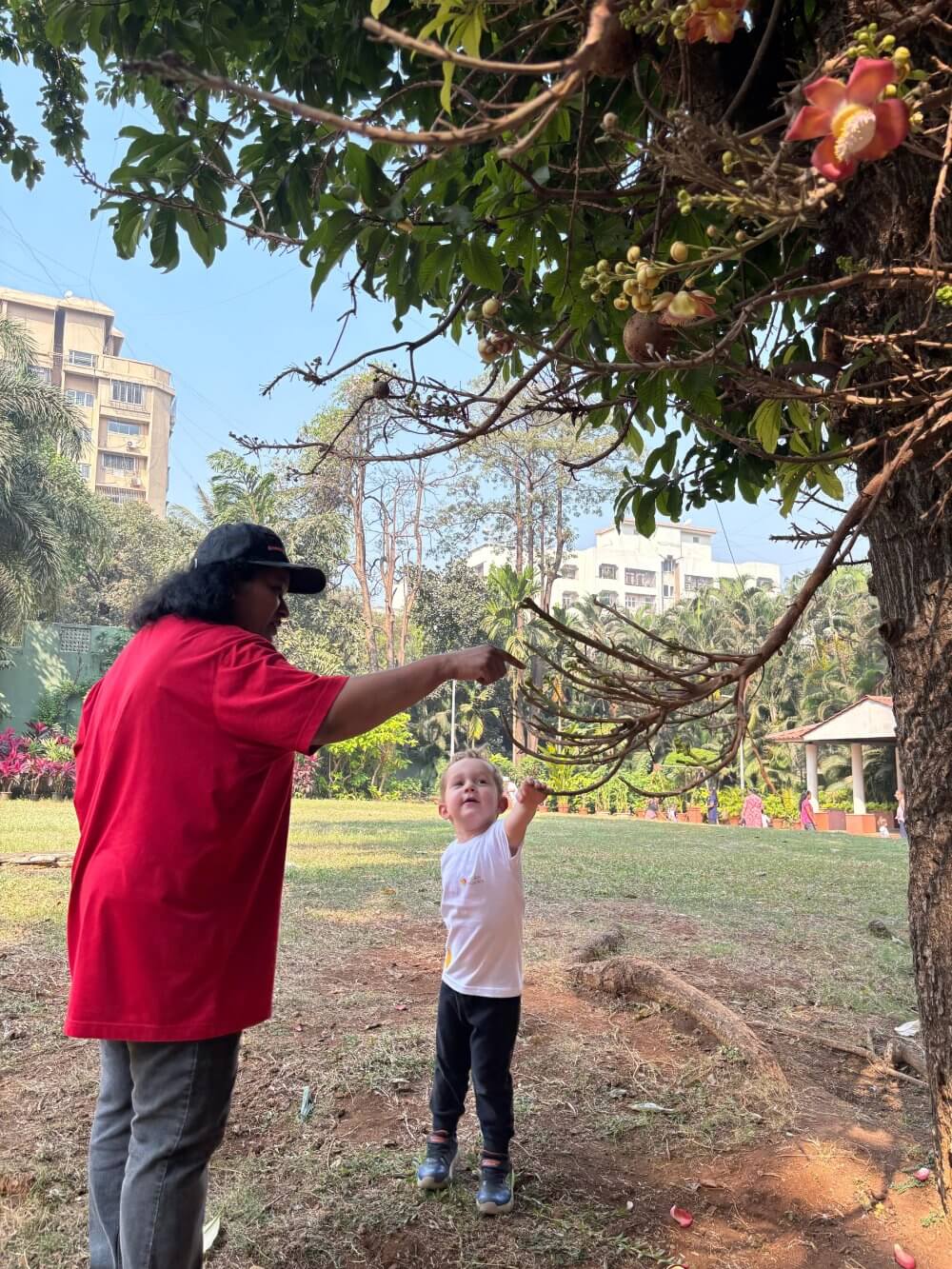
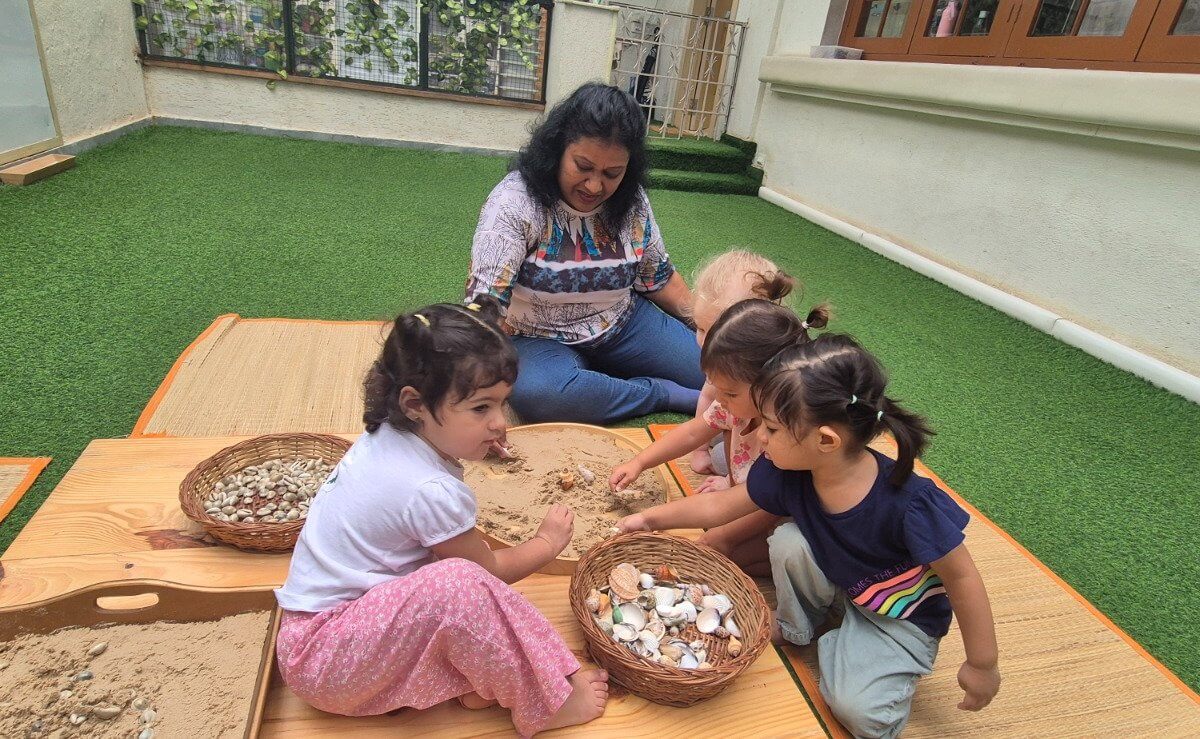
Nature Nurtures Emotional Well-Being
Time outdoors has a calming effect on both children and adults. Nature offers space to slow down, observe and simply be present. Regular access to natural environments can support emotional regulation, reduce stress and promote overall well-being.
For a young child, a quiet moment watching rain fall can be just as valuable as an organised activity. In a fast-moving city like Mumbai, these unhurried outdoor moments give children a rare and precious sense of calm — and teach them, early, how to self-soothe.
Building Environmental Connection Starts Early
Children are far more likely to care for the natural world once they have a relationship with it. Environmental responsibility does not begin with lessons about sustainability — it begins with wonder.
A child who watches a seed sprout, rescues a worm from a puddle or notices a butterfly visiting a flower is developing empathy and respect for living things. These early experiences quietly lay the foundation for environmental stewardship later in life — long before a child can spell the word “ecosystem”.
Embracing the Monsoon as a Season of Discovery
The monsoon offers endless opportunities for exploration. With appropriate clothing and supervision, rainy days can become some of the most memorable learning experiences of childhood. A few simple, safe monsoon activities to try:
- Splashing in safe, clean puddles and noticing ripples
- Observing insects, snails and birds that appear after rain
- Collecting fallen leaves and natural treasures
- Watching clouds and rainfall patterns and describing them
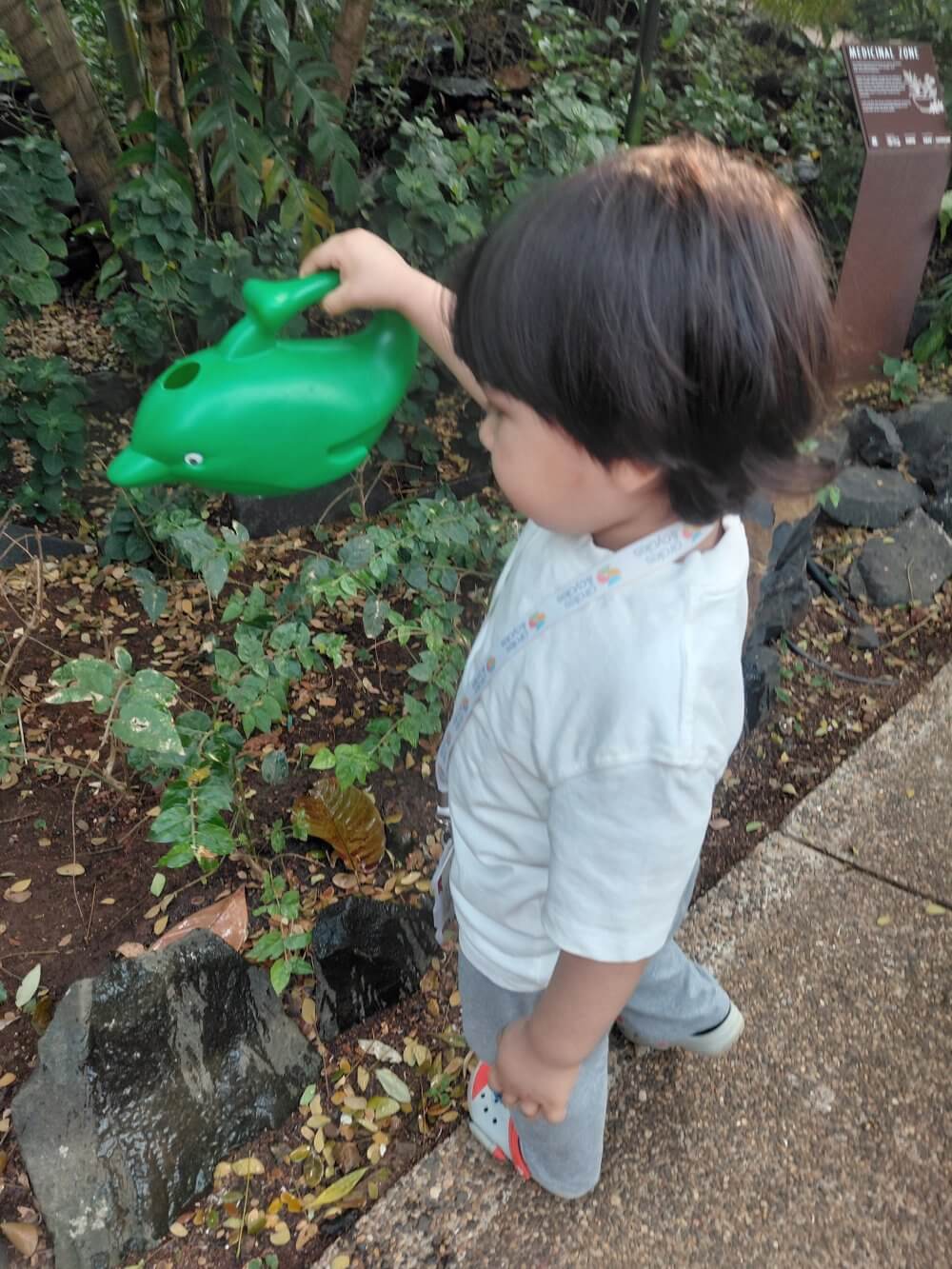
- Planting seeds and caring for a small pot or garden
- Noticing what changes in the environment week to week
A Season to Reconnect
This monsoon, instead of viewing rain as something that keeps children indoors, consider it an invitation to step outside and explore. Nature reminds us that learning does not only happen within four walls — it happens in puddles, gardens, muddy footprints and moments of wonder.
At Circles & Cycles, we believe children develop a deeper understanding of themselves and their world when they have opportunities to connect with nature. The monsoon season is a perfect chance to slow down, observe, explore and rediscover the joy of learning outdoors — together.
How Nature-Based Learning Works at Circles & Cycles
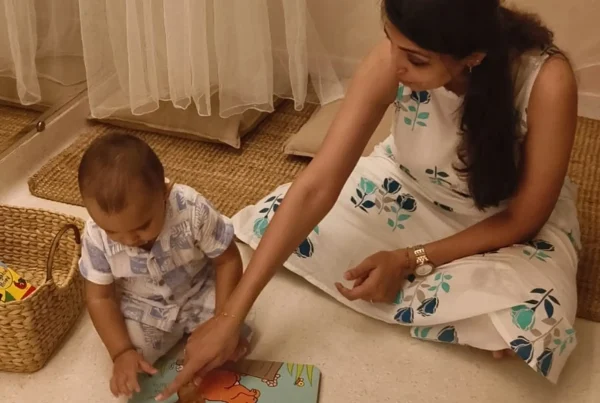
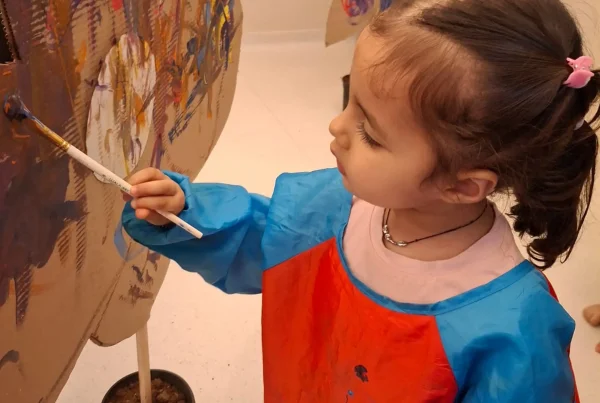
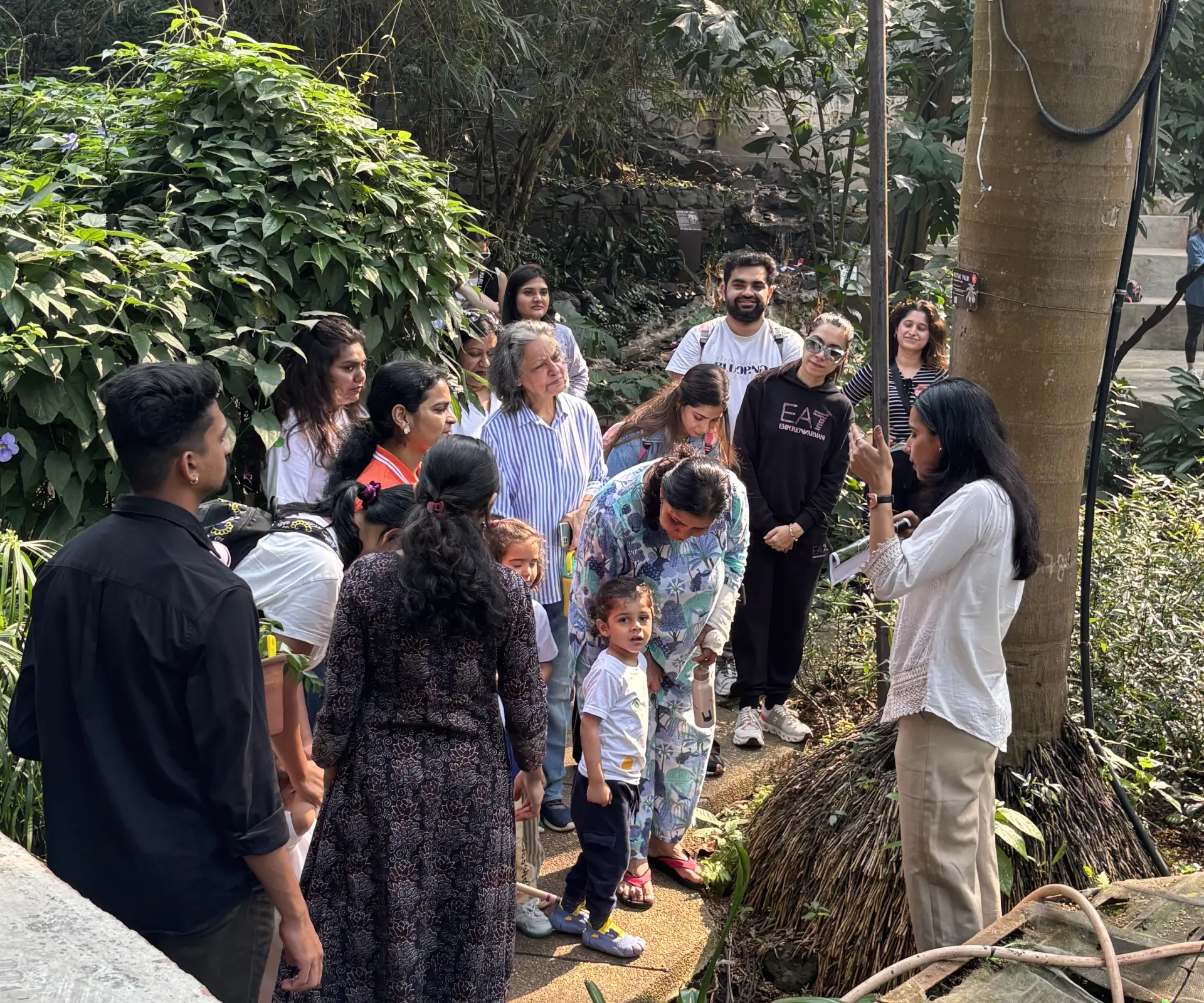
At Circles & Cycles, our Reggio Emilia–inspired classrooms treat the environment as the "third teacher". Outdoor exploration, natural materials and open-ended, child-led play run through every stage — from our Parent Baby Program and Parent Toddler Program to Preschool A and Preschool B. During the rains, this comes alive through our seasonal Monsoon Camp, where children in Bandra learn through mud, water, seeds and story rather than worksheets. You can read more about the philosophy behind this on our Reggio Emilia approach page.
Frequently Asked Questions
Why is nature important in early childhood development?
Nature supports the whole child at once: it engages the senses, strengthens gross- and fine-motor skills through real movement, calms the nervous system to aid emotional regulation, and sparks curiosity and scientific thinking. These are foundations that indoor, screen-based or adult-directed activities can’t fully replicate.
What are the benefits of outdoor play for preschoolers?
Outdoor play builds physical coordination and resilience, improves focus and mood, encourages problem-solving and language, and helps children form an early, caring relationship with the natural world.
How can parents encourage nature-based learning at home?
Allow unhurried, hands-on outdoor time; let children get muddy; follow their questions with “What do you think?”; collect leaves and seeds; and care for a small plant together. The goal is wonder, not worksheets.
What can toddlers safely do during the Mumbai monsoon?
With proper clothing and supervision, toddlers can splash in clean puddles, observe snails and birds, collect leaves, watch rain and clouds, and plant seeds — turning rainy days into rich sensory learning.
Does Circles & Cycles use a nature-based approach?
Yes. Our Reggio Emilia–inspired programs in Bandra West treat the environment as the “third teacher”, with outdoor exploration and natural materials woven through daily learning and our seasonal Monsoon Camp.