
By Leena Godiwala Deubet, Parent-Child Communication Facilitator at EmpathyWorks!
Big emotions are a natural part of early childhood. Toddlers experience the world intensely, yet they are still learning how to make sense of what they feel and how to express it. When a child melts down, withdraws, or reacts strongly, they are not being difficult…they are communicating the only way they know how.
One of the most powerful ways adults can support children through these moments is through empathy. Empathy asks us to pause, to wonder, and to try and see the world from our child’s point of view. Psychologist Carl Rogers described empathy as “an accurate understanding of the other’s world as seen from the inside.” For young children, this feeling of being understood,of being seen and held in another’s mind,is deeply regulating.
When we slow down and observe our child’s behaviour, we begin to notice patterns, cues, and unmet needs beneath the surface. Through this lens, behaviour is not something to correct, but something to understand. By reflecting back what we see,both verbally and non-verbally,we help children make sense of their inner world. “You’re upset because the toy broke.” “You wanted more time.” Naming what is happening, and gently naming the feeling beneath it, helps a child feel heard and accepted exactly as they are.
This process relies on what is known as Reflective Functioning:
The ability to recognise our own thoughts and feelings, while also holding in mind that our child has their own inner experience that is separate from ours. When we pause to consider what our child is doing, why they might be doing it, and how they may be feeling, we are modelling deep empathy. Over time, children internalise this way of being understood and begin to develop it for themselves.
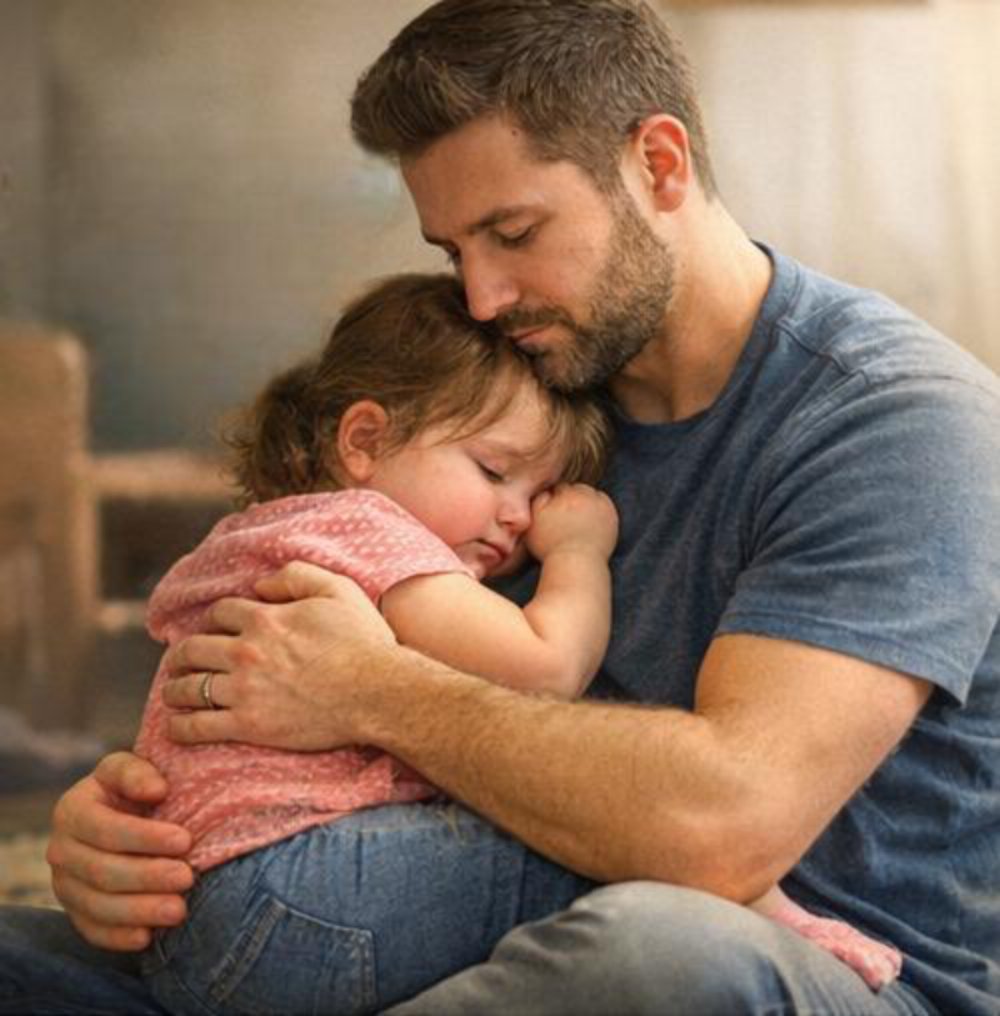
There will be moments when emotions overwhelm the nervous system,when feelings spill over faster than words can keep up. In these moments, children need calm more than correction. When an adult stays close, grounded, and emotionally available, they offer co-regulation: a steady presence that helps the child return to balance. By regulating ourselves first, for example, by softening our voice, slowing our breath, staying present, we create the conditions for our child to settle. Gradually, through many such experiences, children learn how to soothe themselves. This capacity grows slowly, often well into the early primary years.
Supporting emotional development is also a learning journey for parents. Having a wider emotional vocabulary can make a meaningful difference. Tools such as a Feeling Wheel can help expand beyond familiar labels like “happy” or “angry,” allowing both adults and children to recognise the subtle shades of emotion that make up our inner lives. When children are given language for their feelings, those feelings become less frightening and more manageable.
At its heart, this work is about relationship, about listening deeply, staying curious, and trusting that children are capable of making sense of their emotions when they are supported with patience, empathy, and care.
As part of our ongoing commitment to nurturing strong, responsive relationships in the earliest years, we will soon be offering the Baby Bonding program at Circles & Cycles.
Baby Bonding is a gentle, research-informed programme that supports parents and caregivers in building secure, attuned relationships with their babies. Grounded in contemporary attachment research, the programme recognises pregnancy and the early months after birth as a meaningful window of opportunity, one where reflection, shared understanding, and support can have a lasting impact on a child’s emotional wellbeing.
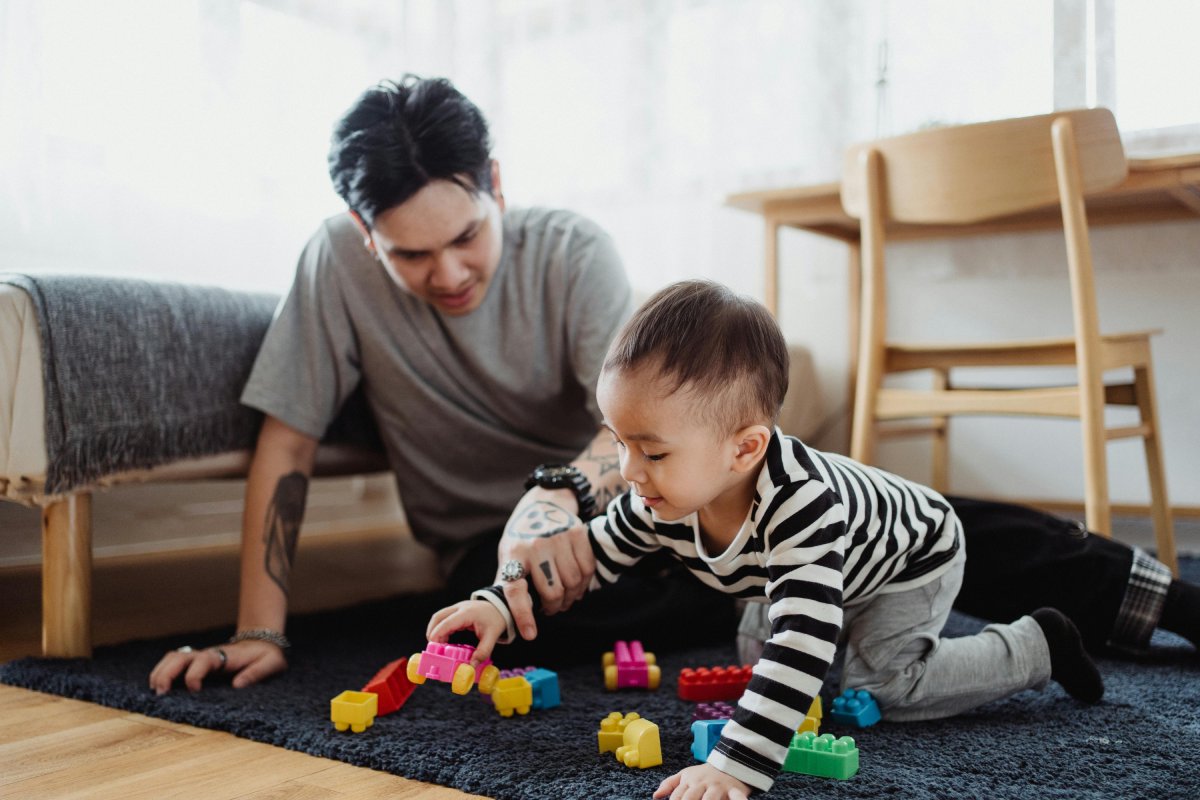

Through small group or individual sessions, parents are invited into a warm, unhurried space to explore early development together. Sessions focus on understanding the developing baby brain, recognising how babies communicate, and discovering ways to calm and soothe infants in today’s fast-paced world. The emphasis is on observation, connection, and learning through shared experiences.
In keeping with our Reggio Emilia values, Baby Bonding honours parents as capable, thoughtful partners and the first and most important figures in their child’s life. Practitioners share evidence-based tools and perspectives that support families as they navigate the transition into parenthood, while always centering the unique relationship between each parent and their baby.