At Circles & Cycles, we believe that every child is capable, curious and full of potential. Inclusion is not an additional programme or separate provision; as a Reggio-inspired preschool, it is part of how we think about children, relationships and learning.

Inclusion means creating an environment where every child feels they belong, can participate meaningfully and is valued for who they are. We recognise that every child may need something different in order to participate, learn and thrive. We see children as capable and resourceful, with many ways to communicate, think, express themselves and make meaning. Our role is to listen carefully and create the conditions in which each child can flourish.


What Does Inclusion Look Like?

  • Every child develops at their own pace: We recognise that developmental journeys are unique and may not follow the same timeline.
  • We start with the child: Our starting point is not a diagnosis or label, but understanding the child’s strengths, interests, needs and ways of communicating.
  • We value diversity: This includes different developmental journeys, abilities, learning preferences, communication styles, sensory and motor needs, social and emotional needs, cultures, languages and family backgrounds.
  • We meet children where they are: A child may need additional support without having a diagnosis—for example, with transitions, communication, social relationships or regulation.
  • We work collaboratively: We partner with families and, where appropriate, relevant professionals to support each child’s participation and development.

Support & Services

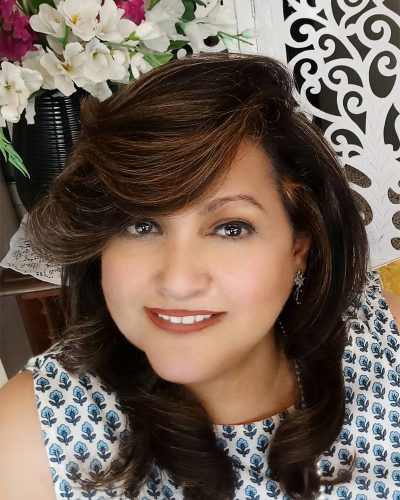
  • Intentional Movement & Play: Sessions with Hannah Mehta, Pediatric Occupational Therapist, support motor planning, coordination, balance, spatial awareness and sensory processing.
  • TheraPaws: Twice a month, Junior, a trained therapy dog, visits C&C through TheraPaws to create opportunities for connection, emotional regulation, communication and resilience.
  • External specialists: Depending on individual needs, children may work with speech and language therapists, ABA therapists, occupational therapists or other relevant professionals.
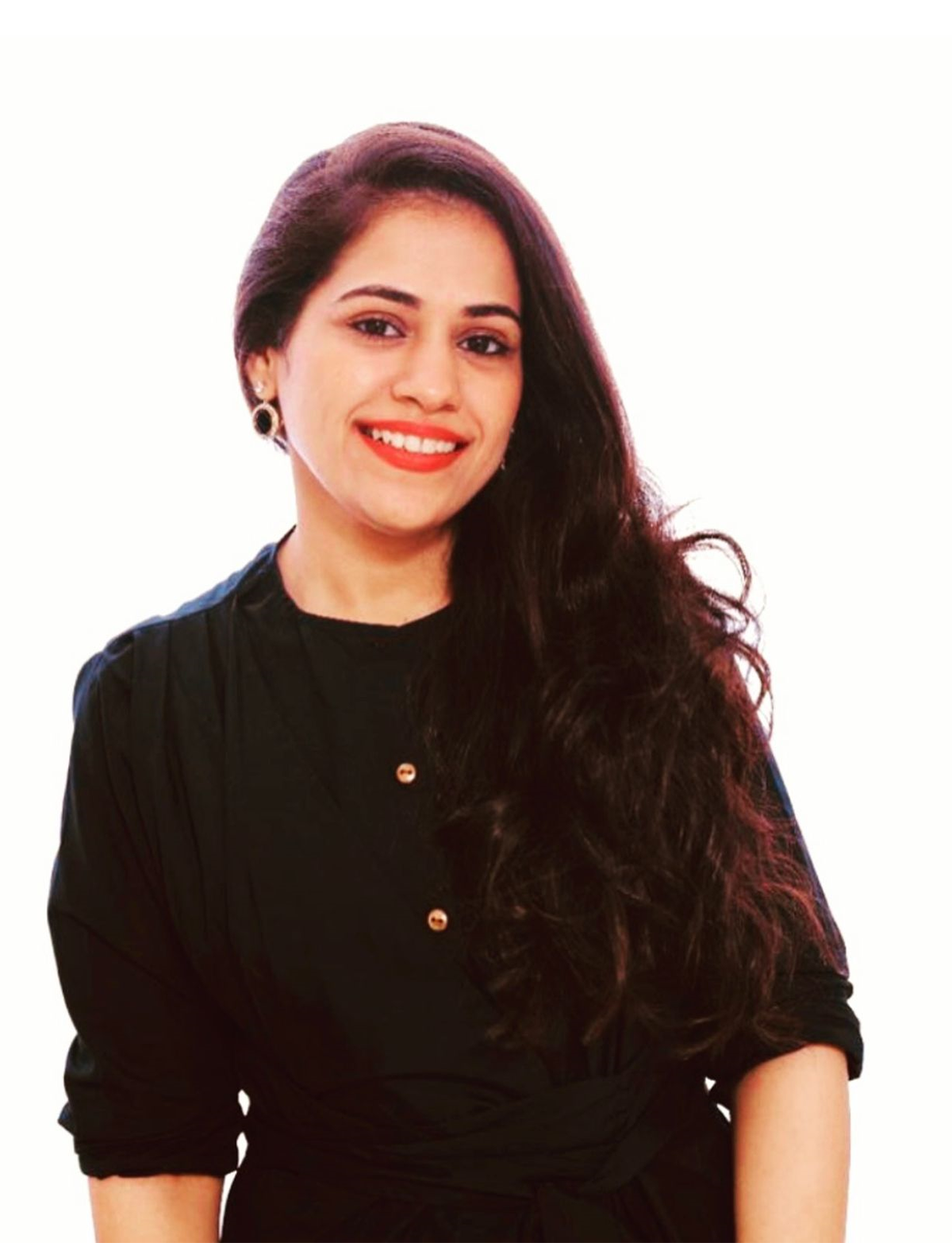
  • Collaborations: We have tie-ups with organisations such as The Pollyanna Practice and Little Wins, founded by Aditi Bhansali.
  • Therapeutic support at school: Where appropriate, therapists may work with children within their classroom, with parental consent.
  • Shared approach: Inclusion works best when educators, families and specialists work together around the child.
Early Childhood Education in Bandra

Why Do We Believe in Inclusion?

  • Children should not have to fit a particular mould in order to belong.
  • Children learn from one another, developing opportunities for empathy, collaboration, communication and perspective-taking.
  • Thoughtfully supported inclusion benefits all children, not only those who need additional support.
  • Inclusion reflects our Reggio Emilia belief that every child is capable and has many ways of learning and communicating.
  • Instead of asking, “How can we make this child fit into our classroom?”, we ask, “What can we change about our environment, relationships or approach so that this child can participate?”
  • We focus on creating responsive environments rather than changing the child.

How Do We Identify If a Child Needs Extra Help?

  • Develop at a different pace or find everyday tasks particularly challenging.
  • Move differently, finding activities such as running, jumping, climbing or using their hands more difficult.
  • Seek or avoid certain sensations, such as sounds, touch, textures or movement.
  • Find regulation difficult, including transitions, waiting, calming down or managing big reactions.
  • Find everyday tasks challenging, such as eating, dressing, toileting or using utensils.
  • Experience communication or interaction differences, including difficulty communicating needs, following instructions or engaging with peers.
  • Have identified developmental delays or additional learning needs.
  • Have a diagnosed disability or neurodevelopmental difference or already receive professional support.
Best Play School in Bandra

Who Should You Talk To?

  • Your child’s facilitator can be the first point of conversation if you have concerns about development, communication, behaviour, learning or participation.
  • You do not need to wait for a diagnosis or be certain that something is wrong.
  • Families and educators can share observations and decide together whether additional support would be helpful.
  • Depending on the concern, we may suggest speaking with a paediatrician, developmental paediatrician, speech and language therapist, occupational therapist, psychologist or special educator.
  • Our collaborating therapists can provide private consultations by appointment.
  • We see this as a collaborative process, not a referral away from school.

Inclusion is for every child

FAQ's