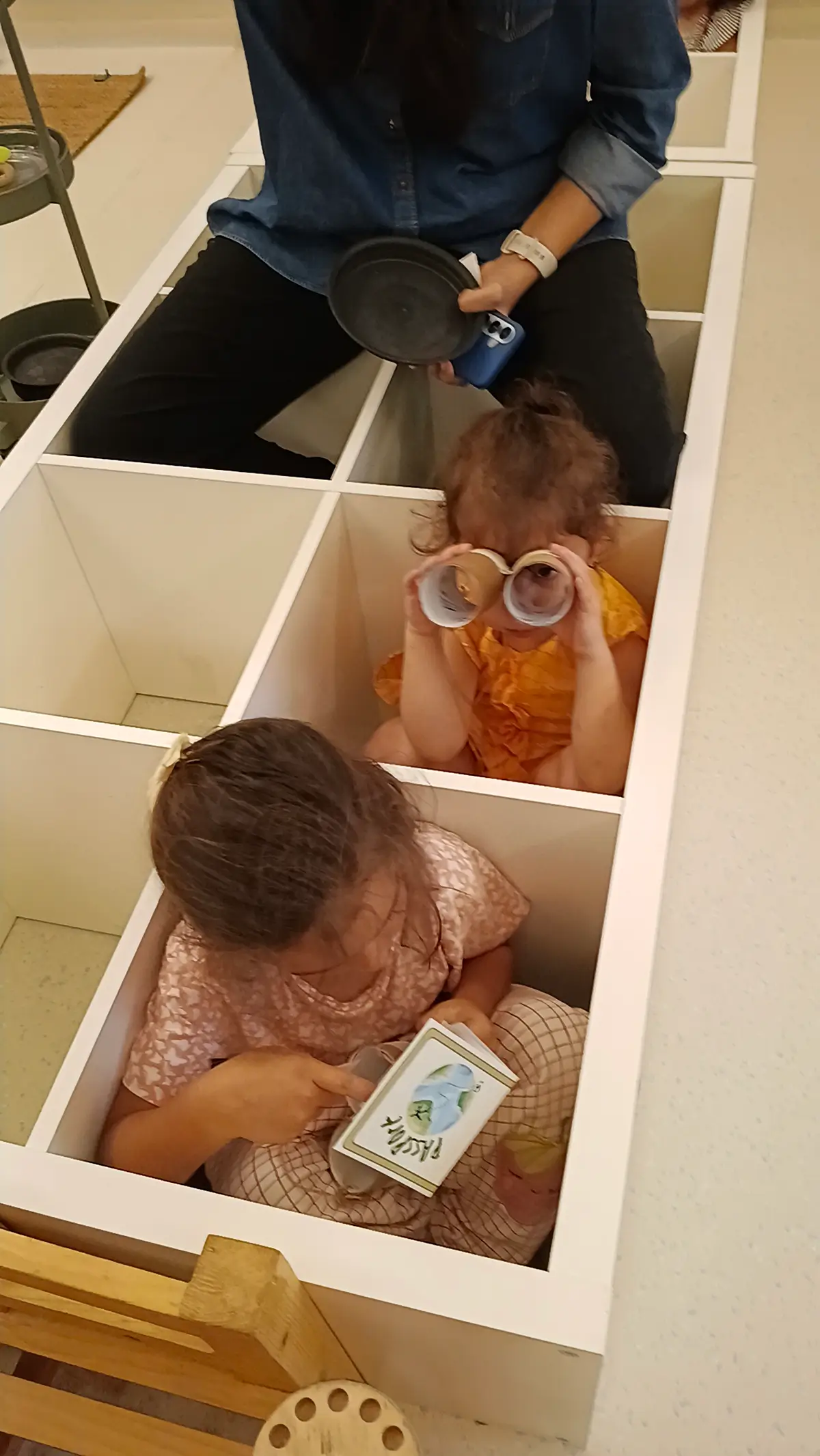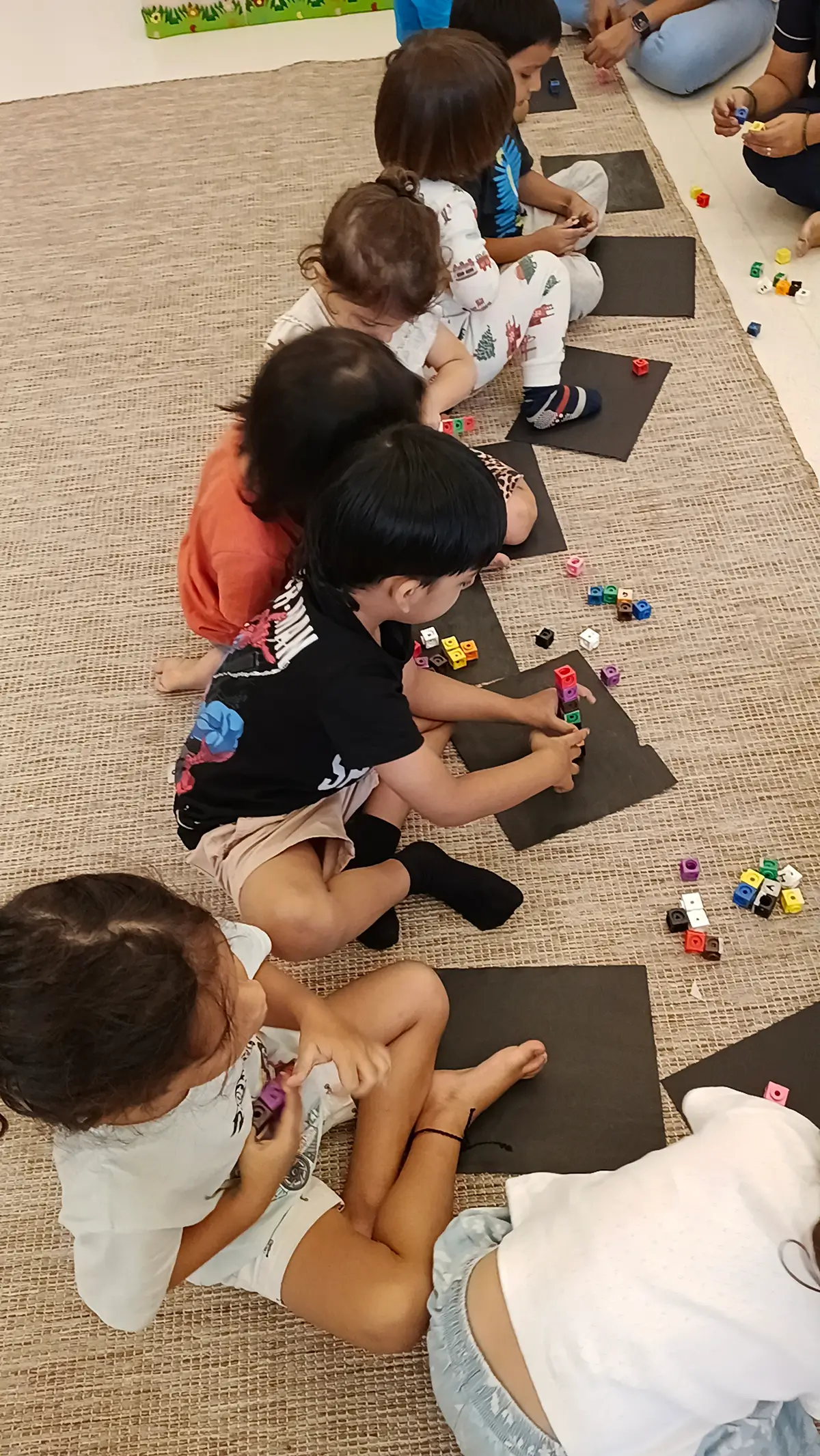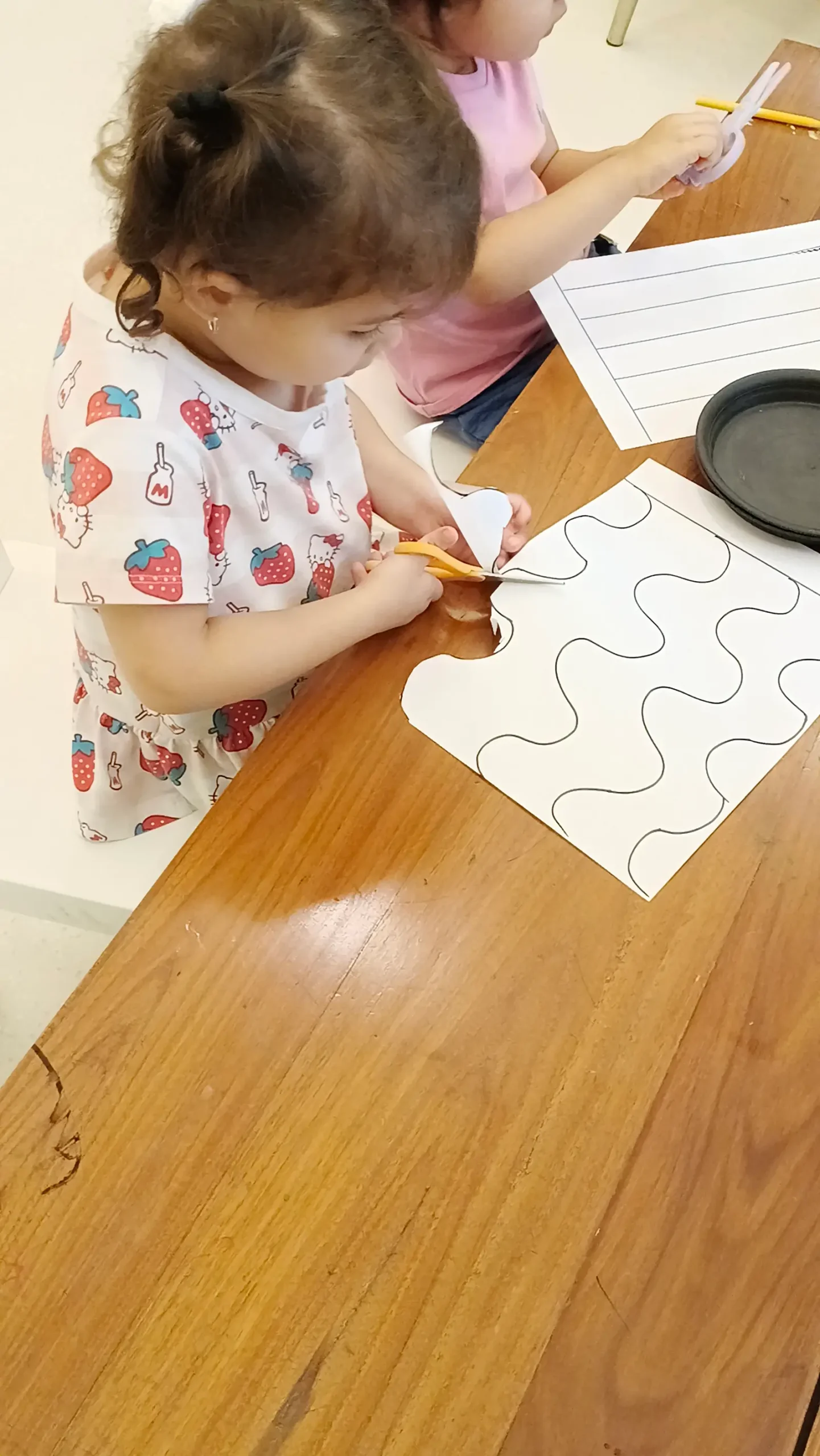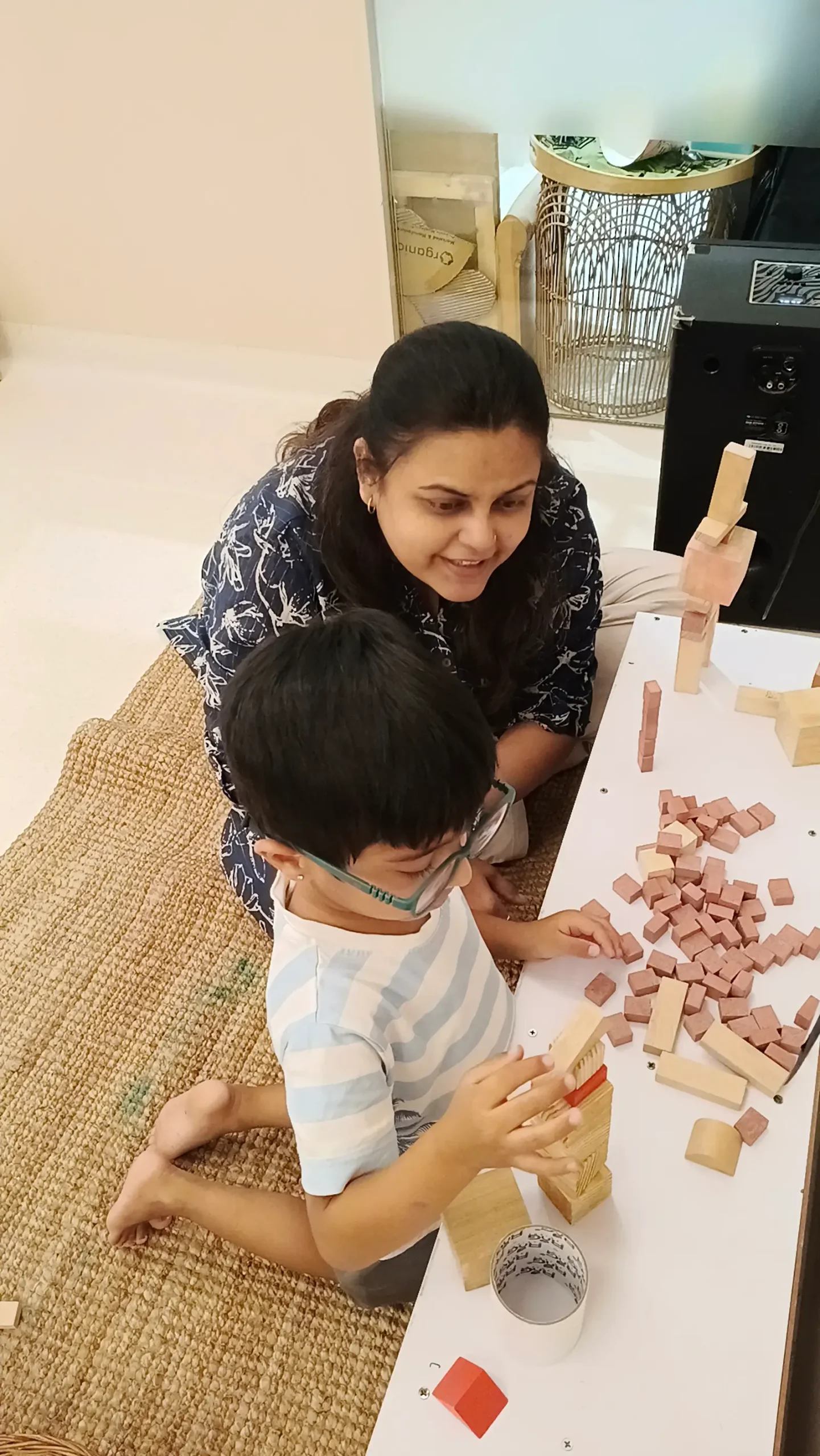
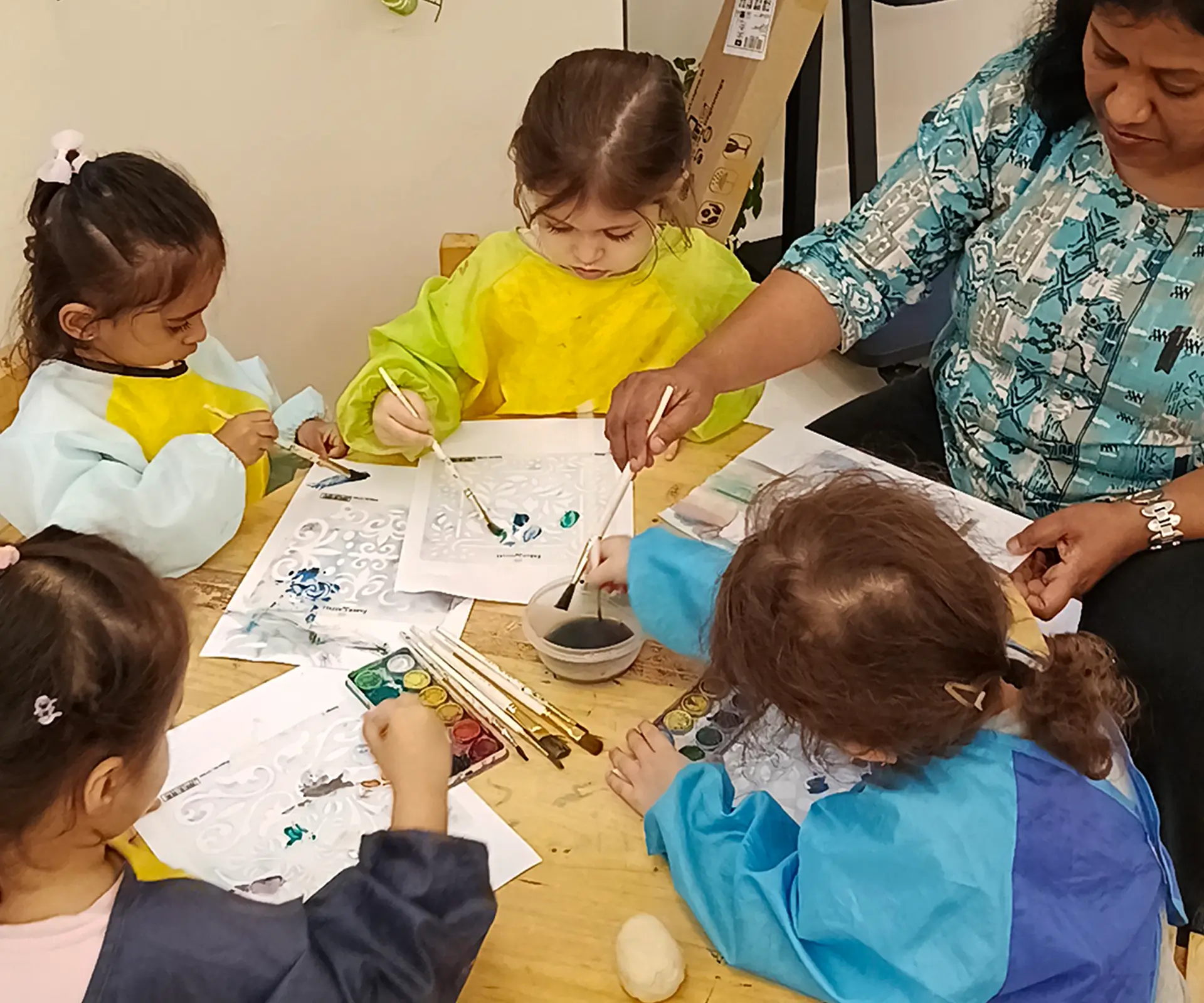
Facilitating in the Reggio Emilia way means guiding learning through observation, provocation and reflection rather than delivering a pre-written lesson. At Circles & Cycles in Bandra West, Mumbai, a facilitator does not hand children a finished activity and a fixed outcome. They set up an invitation, watch closely to see what the children do with it, and decide the next step based on what the children reveal.
Look into a teacher’s lesson plan book and you’ll likely see the next two weeks worth of lesson plans already ideated. Worksheets, the alphabet, some counting, a predetermined art & craft activity.
In a Reggio Emilia inspired preschool, you’ll see ideas perhaps for the next week, but nothing written in stone. In our Educator Workshops, we emphasize that facilitators shouldn’t plan too far ahead, because you never know how the children will interact with the provocations you’ve set up. And that will impact what you plan next.
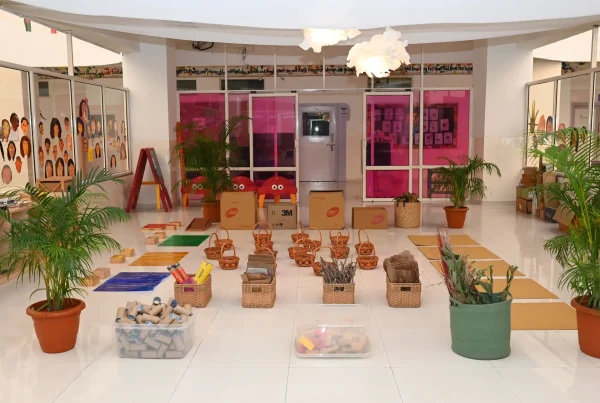
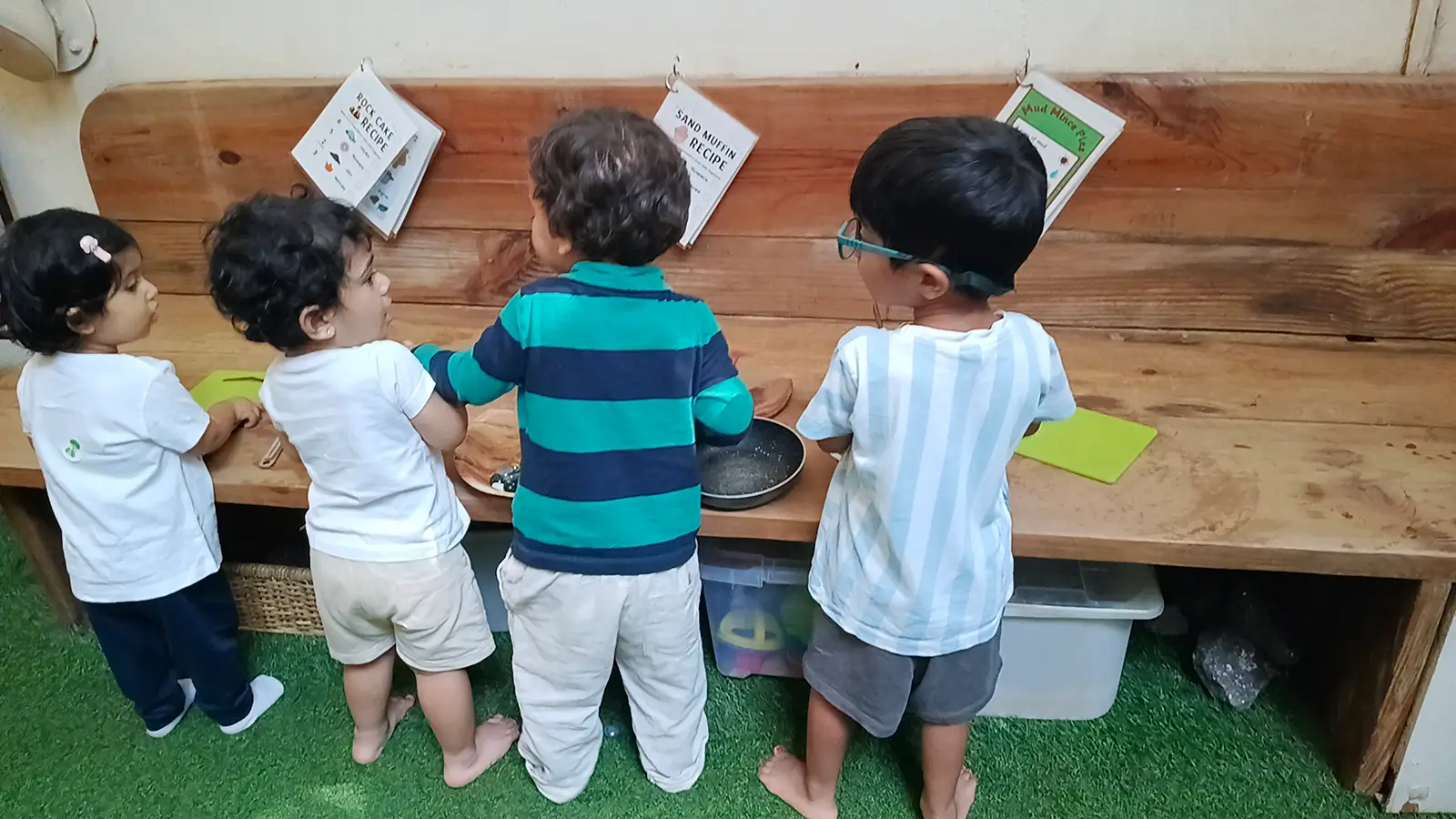
At Circles & Cycles, we don’t simply prepare activities for children to complete. Instead, we thoughtfully design provocations; these are carefully curated invitations that encourage children to explore, investigate, question and construct their own understanding of the world.
Facilitating in the Reggio Emilia way is less about delivering knowledge and far more about listening, observing and responding. It is a role that demands curiosity, flexibility and constant reflection.
It is one of the reasons why no two days in our classrooms are ever the same.
Moving Beyond Activities: What Is a Provocation?
An activity usually has an intended outcome. Children go to stations to complete an intended outcome there. For example, classifying farm animals into their correct homes.
A provocation begins somewhere very different. It starts with a question.
- What might happen if…?
- What does the child already know?
- What are they wondering about?
- How might this material invite exploration?
Rather than telling children what to do, facilitators carefully arrange materials, spaces and possibilities that encourage children to make discoveries for themselves. The learning belongs to the child.
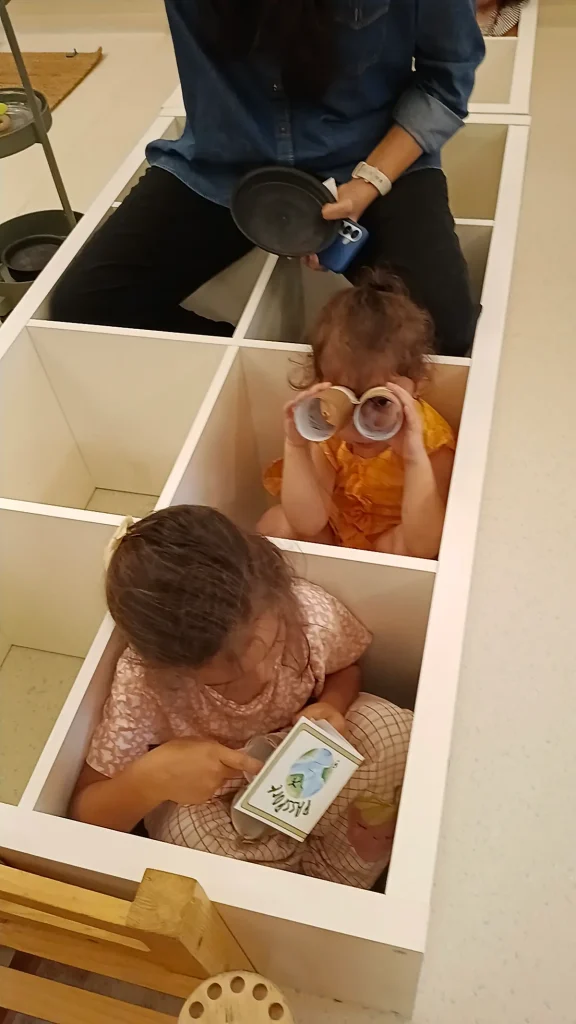
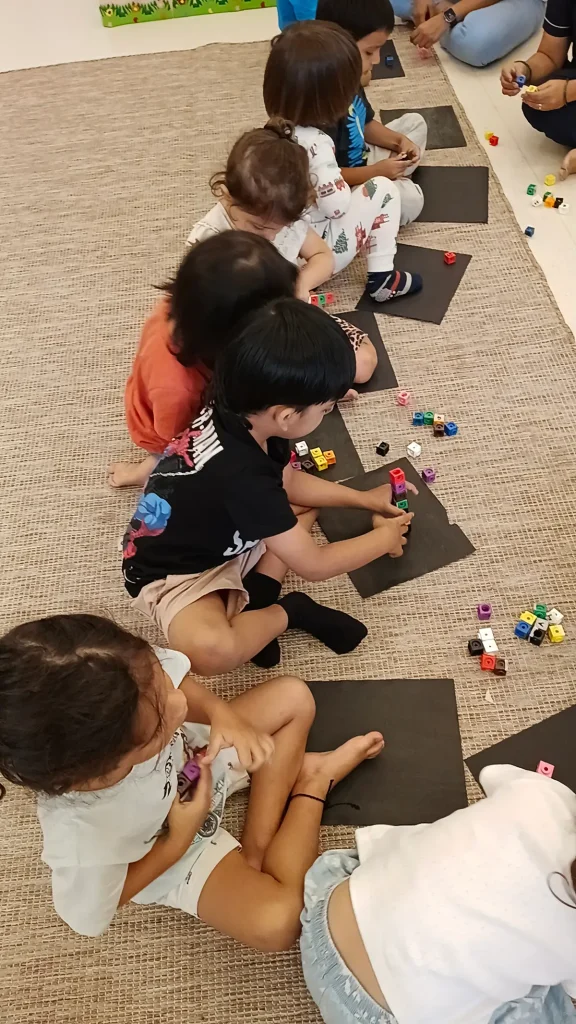
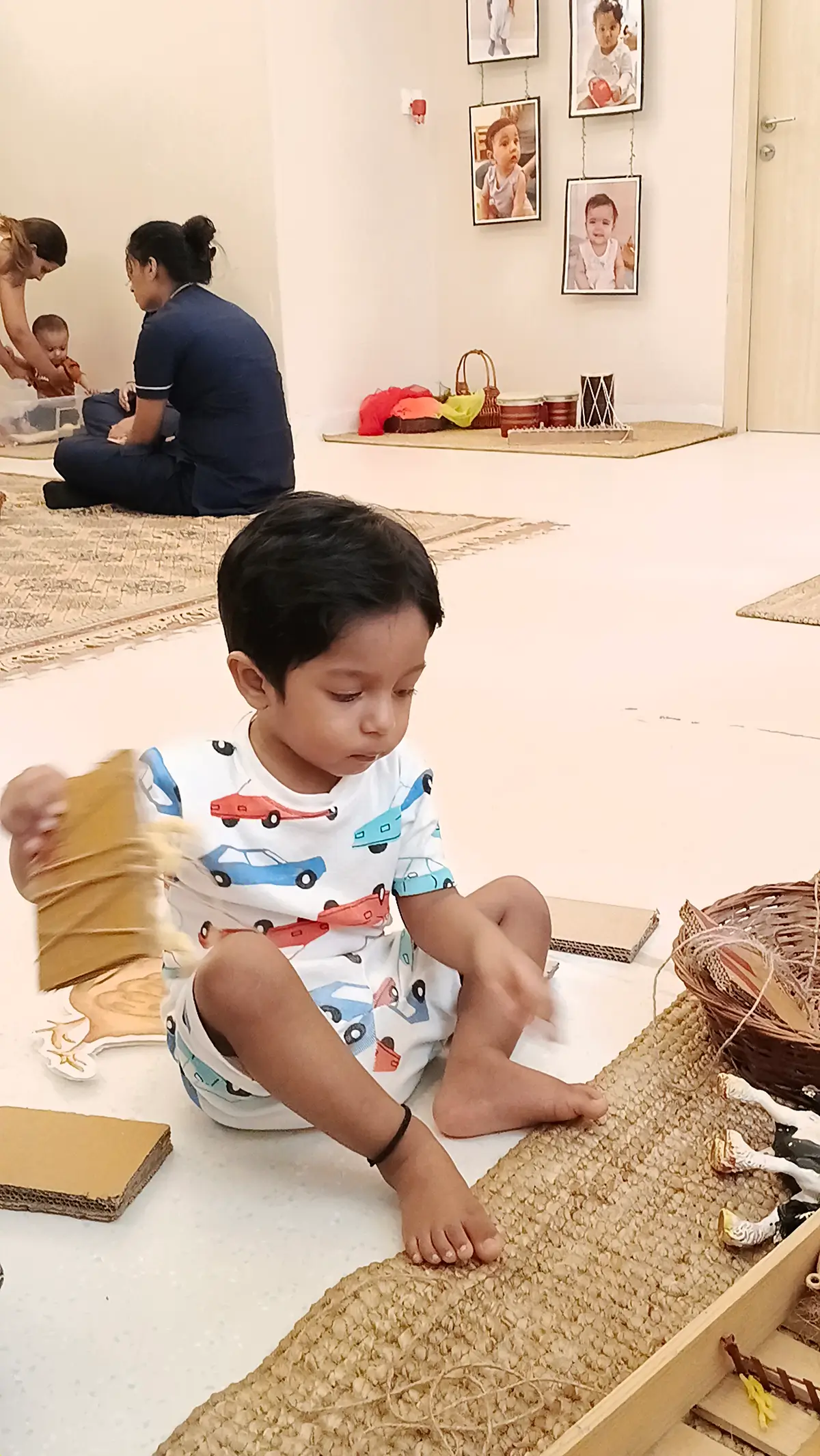
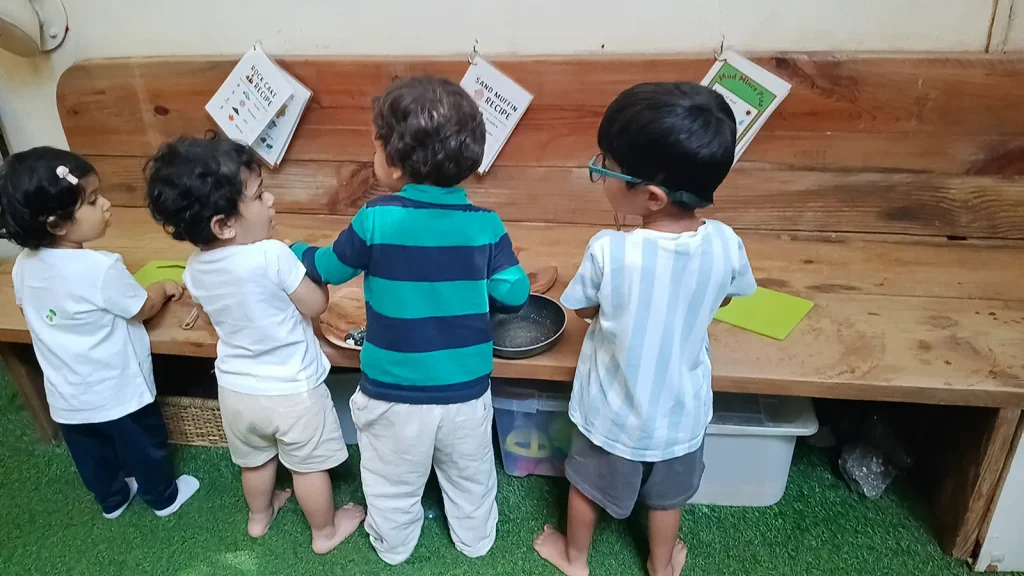
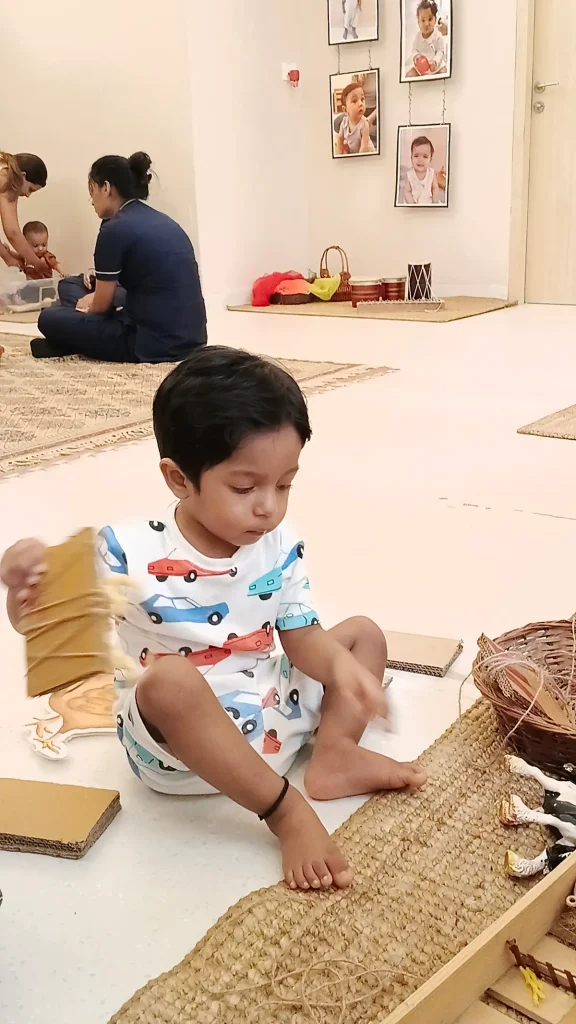
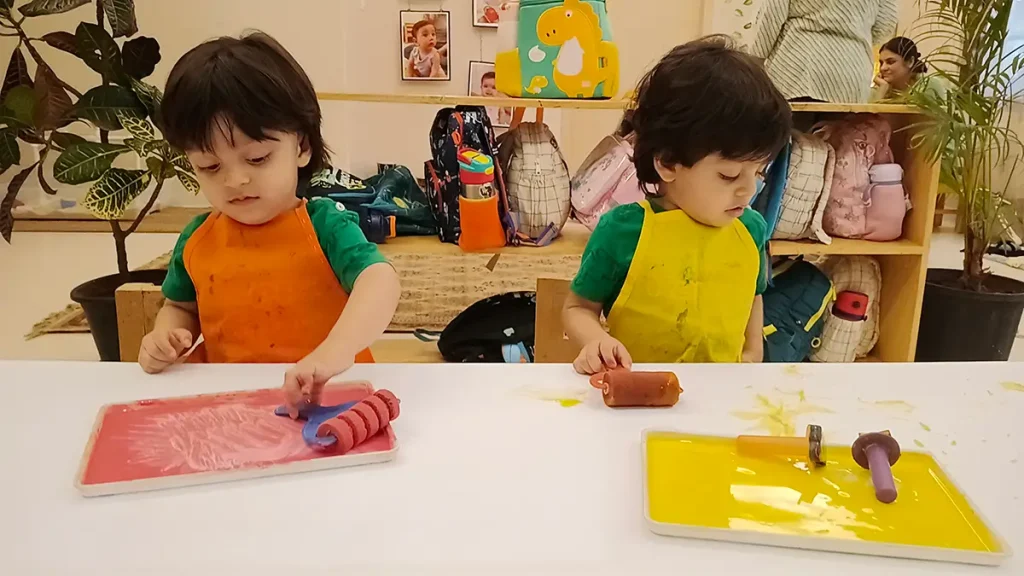
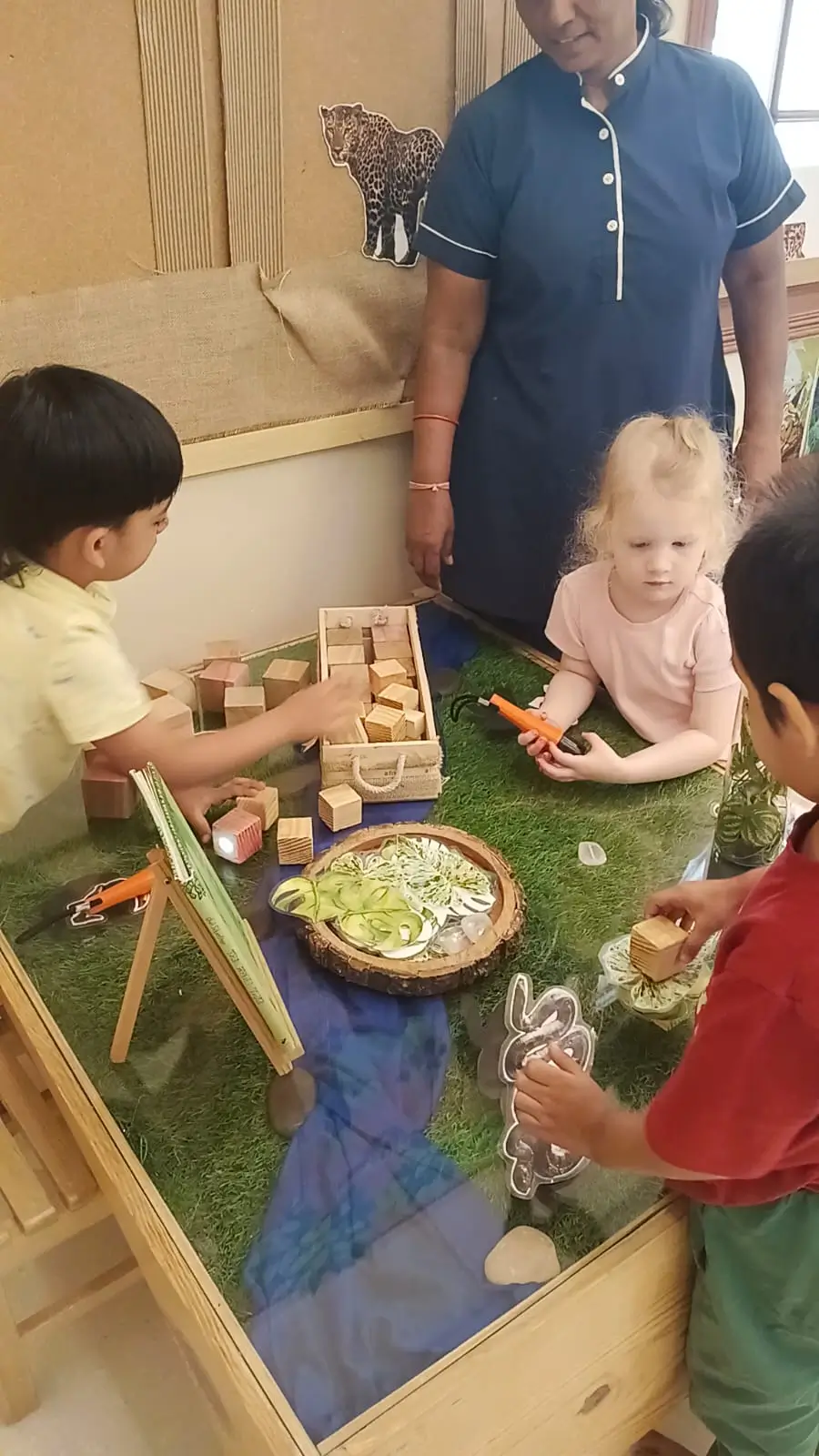
Children may investigate a collection of loose parts for ten minutes, or an entire week. A simple mirror might spark conversations about symmetry. Shadows may lead to questions about light. A pile of cardboard boxes could become a city, a spaceship or a collaborative engineering project.
The facilitator does not dictate where the learning goes. They notice where the children take it.
Activity vs Provocation: The Difference in Practice
- An activity has one right answer, a fixed end point, and finishes when the task is done.
- A provocation has many possible directions, no single correct outcome, and finishes only when the children’s curiosity does.
- An activity tells you whether a child can follow instructions.
- A provocation tells you how a child thinks.
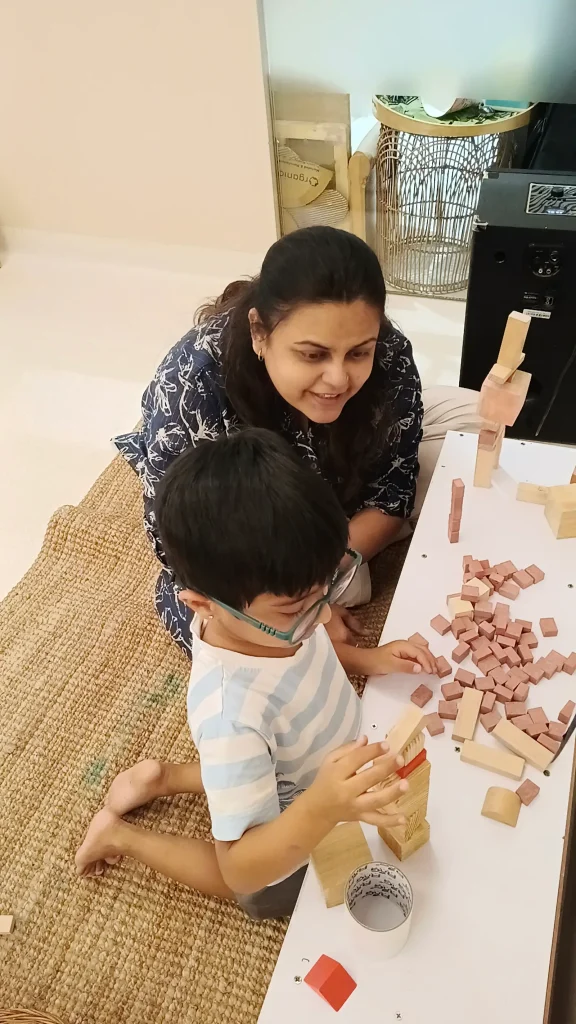
What parents can do at home: instead of setting up a craft with a finished sample to copy, place three or four open-ended materials on a tray — a mirror, some shells, a torch, a length of string — and simply sit nearby. Notice what your child does first. That noticing is facilitation.
Observation Is One of the Most Powerful Teaching Tools
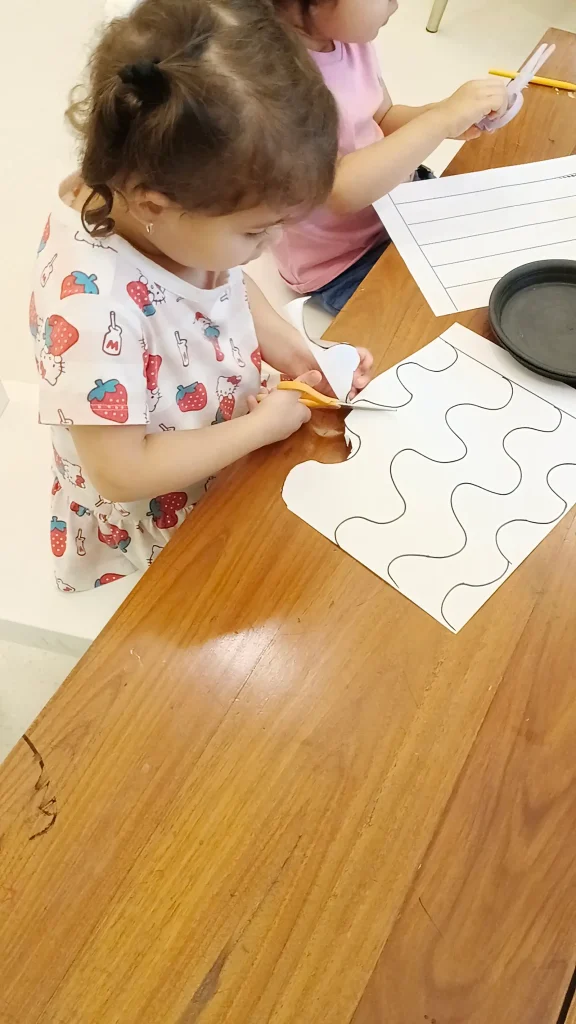
One of the biggest misconceptions about Reggio Emilia is that facilitators simply “let children play.” In reality, facilitating requires an extraordinary level of professional observation.
Throughout the day, facilitators are constantly asking themselves:
- What is capturing the children’s attention?
- What theories are they developing?
- Which materials are extending their thinking?
- Where are they becoming frustrated?
- What conversations are emerging?
These observations become valuable data. Instead of following a predetermined lesson plan, facilitators use what they see to decide the next step in children’s learning.
Sometimes this means adding a new material. Sometimes it means removing one. Sometimes it means asking a carefully chosen question that encourages children to think more deeply. Sometimes it means doing nothing at all, allowing children the time they need to solve a problem independently.
Observation is not something that happens after learning. It is an essential part of the learning process itself.
Why Doing Nothing Is Sometimes the Skilled Choice
Stepping in too quickly is the most common instinct for any caring adult. A tower wobbles, a puzzle piece won’t fit, two children disagree over a material — and the adult hand reaches in. But the moment just before a child solves something is the moment the thinking happens.
A skilled facilitator learns to hold that pause: to stay close enough that the child feels safe, and quiet enough that the child keeps thinking. That restraint is not passivity. It is one of the hardest skills we coach for in our educator training, and it is the same skill we share with parents in our caregiver workshops.
Every Provocation Evolves
Unlike traditional classroom activities, provocations are rarely finished after one session. Children’s ideas continually reshape them.
A provocation that begins with leaves collected in the garden may evolve into drawing leaf veins, researching how trees grow, mixing natural dyes or building habitats for insects.
The facilitator is constantly making professional decisions:
- Should we introduce magnifying glasses?
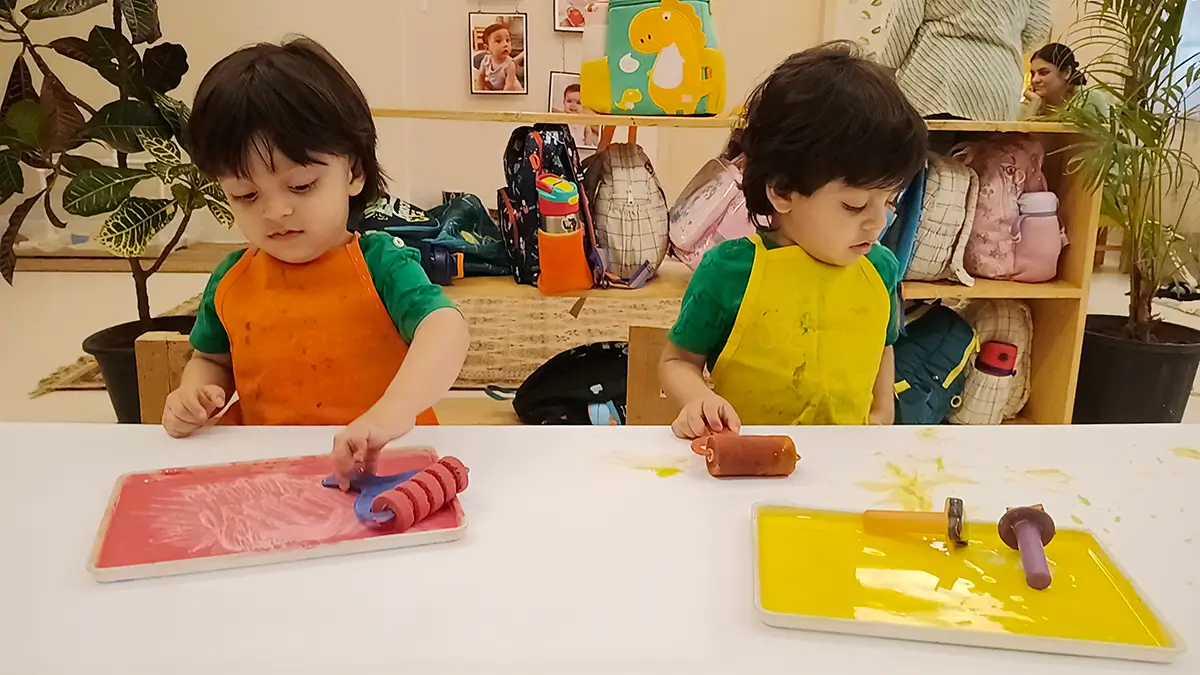
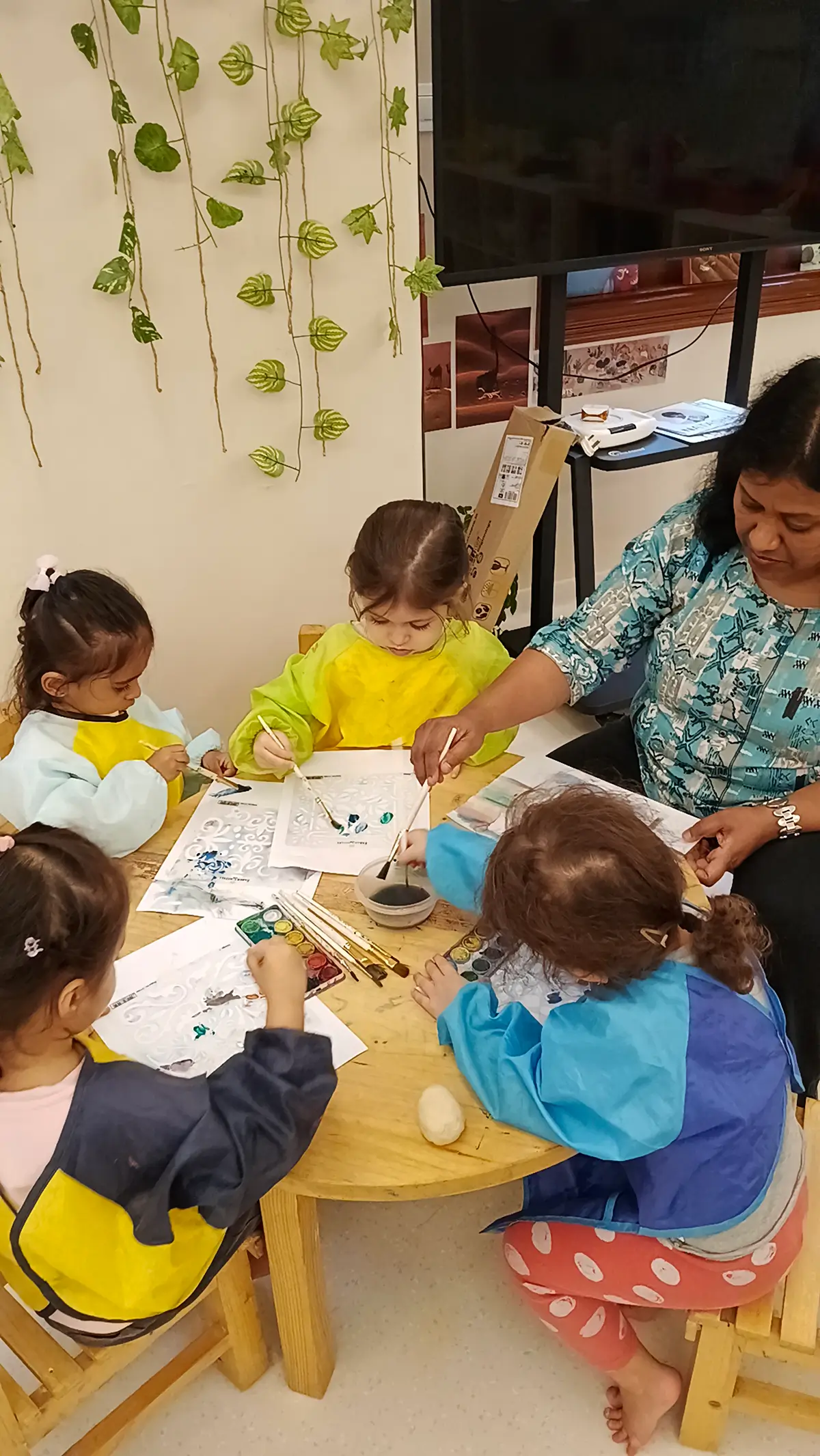
- Would clay allow children to represent their thinking differently?
- Are the children ready for a new challenge, or should we revisit yesterday’s ideas?
This responsiveness is what makes Reggio Emilia-inspired learning so meaningful. Rather than following a fixed curriculum, facilitators follow children’s thinking while ensuring that learning remains intentional and purposeful.
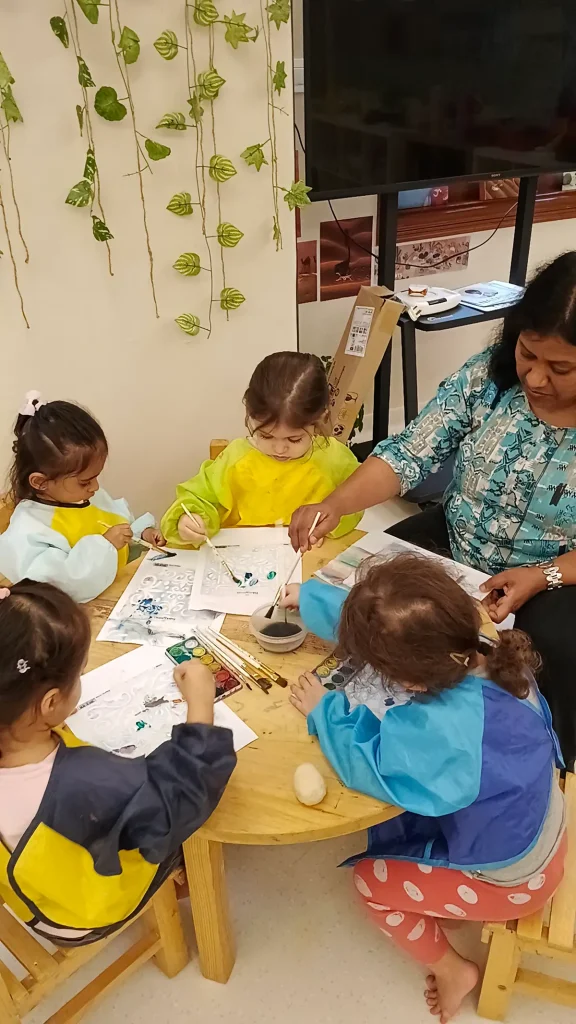
Reflection Is Part of the Job
Facilitating doesn’t end when the children go home. Some of the most important work happens afterwards. Facilitators gather to reflect on the day. They discuss observations. They analyse children’s conversations. They review photographs and documentation. They ask one another difficult questions.
- What surprised us today?
- What did we overlook?
- What are the children trying to tell us?
- How might we extend this investigation tomorrow?
Reflection transforms everyday moments into opportunities for professional growth. It also ensures that decisions are based on thoughtful discussion rather than assumptions.
At Circles & Cycles, this culture of reflection is embedded into our daily practice. Facilitators learn not only from children, but also from one another through collaborative conversations and ongoing coaching. It is the reason we invest as much in our educators as we do in our classrooms.
What Documentation Actually Is
Documentation is the visible trace of children’s thinking: a photograph of the moment a theory changed, a transcribed sentence a child said while building, a sequence of drawings showing how an idea grew. It is not a display of finished work for parents to admire.
For a facilitator, documentation is a working tool. It makes children’s learning visible so it can be discussed, questioned and extended. For a parent, it is a window into how your child thinks, not just what they made that day.
There Is No Finish Line
One of the most rewarding aspects of facilitating in the Reggio Emilia way is that you never stop learning.
Every group of children is different. Every investigation unfolds differently. Every conversation reveals something unexpected.
The facilitator becomes a researcher alongside the child, continually observing, questioning and refining their practice. Professional judgement grows through experience, reflection and collaboration, not through following a script.
It is a role that requires humility, creativity and the confidence to embrace uncertainty.
More Than Teaching
Facilitating in the Reggio Emilia way is not about having all the answers. It is about creating environments where meaningful questions can emerge.
It is about recognising that every child is capable, curious and full of ideas worth listening to. It is about carefully observing those ideas and using professional knowledge to nurture them further.
Ultimately, facilitating is an ongoing cycle of listening, observing, reflecting and responding. It is this cycle that transforms ordinary classroom moments into extraordinary opportunities for learning, for children and for the adults who work alongside them.
How Facilitation Looks Across Our Programs in Bandra
Facilitation changes shape with the age of the child, but the cycle stays the same — observe, provoke, reflect, respond.
- Parent Baby Program — facilitation begins with the adult: noticing your baby’s cues, following their gaze, and letting their attention lead the moment.
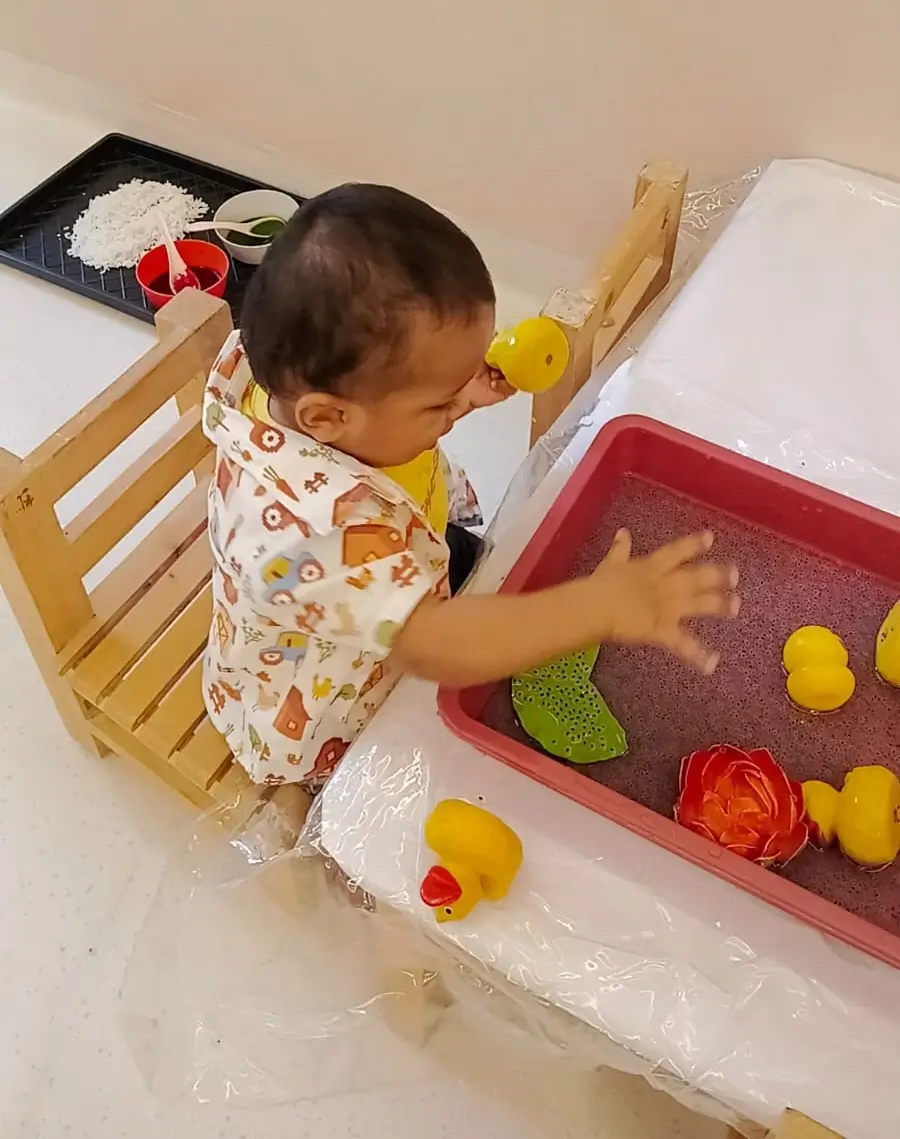
- Parent Toddler Program — provocations are sensory and material-led, and parents learn to observe rather than direct alongside our facilitators.
- Preschool A and Preschool B — investigations stretch across days and weeks, with documentation making children’s theories visible.
- After School Activities — the same responsive, child-led philosophy extended beyond the school day.
If you’d like to see facilitation in action rather than read about it, the best way is to walk through the space while the children are working.
Frequently Asked Questions
What does facilitating in the Reggio Emilia way really mean?
Facilitating in the Reggio Emilia way means guiding learning through observation, provocation and reflection instead of delivering a fixed lesson. The facilitator sets up open-ended invitations, watches how children respond, and uses those observations to decide what comes next. At Circles & Cycles in Bandra West, Mumbai, this is why no two days in our classrooms are ever the same.
What is the difference between an activity and a provocation?
An activity has an intended outcome, such as classifying farm animals into their correct homes, and it ends when the task is complete. A provocation begins with a question instead of an answer, and it can take many directions. Children may explore a collection of loose parts for ten minutes or an entire week, and the learning belongs to the child rather than to the plan.
Do Reggio Emilia facilitators just let children play?
No. This is one of the biggest misconceptions about the approach. Facilitating requires an extraordinary level of professional observation. Throughout the day, facilitators are asking what is capturing children’s attention, what theories they are developing, which materials are extending their thinking and what conversations are emerging. Those observations directly shape the next step of learning.
Why don’t Reggio Emilia educators plan lessons far in advance?
Because you never know how children will interact with the provocations that have been set up, and that interaction shapes what comes next. In our Educator Workshops we emphasise that facilitators should hold ideas loosely — perhaps a week ahead — so that planning can follow children’s thinking rather than override it, while still remaining intentional and purposeful.
How do facilitators decide what to do next?
They use their observations as data. Sometimes it means adding a new material, sometimes removing one, sometimes asking a carefully chosen question that encourages deeper thinking, and sometimes doing nothing at all so children have the time they need to solve a problem independently. Observation is not something that happens after learning; it is part of the learning itself.
What happens after the children go home?
Some of the most important work happens then. Facilitators gather to reflect on the day, discuss observations, analyse children’s conversations and review photographs and documentation. They ask what surprised them, what they overlooked, what the children are trying to tell them and how an investigation might be extended tomorrow. At Circles & Cycles this culture of reflection is embedded into daily practice.
How can parents facilitate this way at home?
Offer open-ended materials rather than a finished sample to copy, ask questions instead of giving instructions, and pause before stepping in to fix a problem. The moment just before a child solves something is often the moment the thinking happens. Sitting nearby and simply noticing what your child does is the beginning of facilitation.
Does Circles & Cycles train educators in Reggio-inspired facilitation?
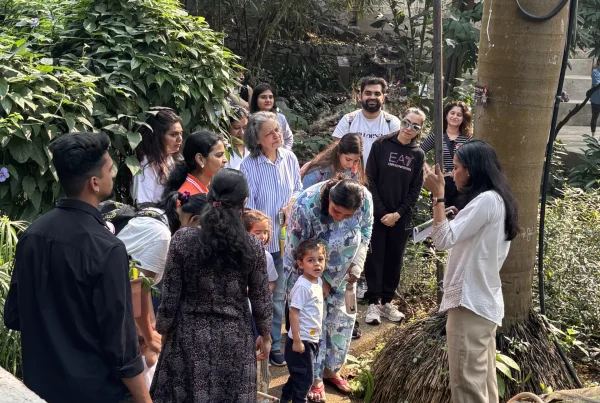
Yes. Alongside our preschool programs in Bandra West, we run Educator Workshops and ongoing coaching where facilitators learn to design provocations, observe children closely, document learning and reflect collaboratively. Facilitators learn not only from children, but also from one another.