Boredom is important for children because it gives them the empty, unstructured time they need to think, imagine, and direct their own play. When a child is not being entertained, they learn to ask “What should I do now?” — and answering that question is where creativity, curiosity, and confidence begin. At Circles & Cycles in Bandra, we see this every day: some of the richest learning starts in a quiet, “nothing to do” moment.
School is ending, summer is approaching, and many parents are already planning camps, classes, playdates, and activities to keep their children busy. Enrichment can be wonderful — but there is growing value in something we usually try to avoid: boredom. In fact, it may be one of the most important gifts we can give our children over the summer.
The Pressure to Keep Children Busy
As parents, it’s natural to worry when we hear “I’m bored,” or when a toddler flits from one activity to another without any obvious intent or focus. We often feel responsible for providing the next thing — entertainment, stimulation, a plan.
Yet children don’t need every moment of their day scheduled. Constant stimulation can actually leave little room for a child to discover their own interests, ideas, and ways of engaging with the world. When adults fill every gap, children never get to find out what they would have done with that gap themselves.
What parents can do: the next time you hear “I’m bored,” try pausing before you offer a solution. A simple “Hmm, I wonder what you’ll come up with” hands the problem — and the discovery — back to your child.
Boredom Creates Space for Creativity
When children are not directed by adults or structured activities, they begin to ask themselves a different set of questions:
- What can I create?
- What can I build?
- What can I imagine?
- Who can I collaborate with?
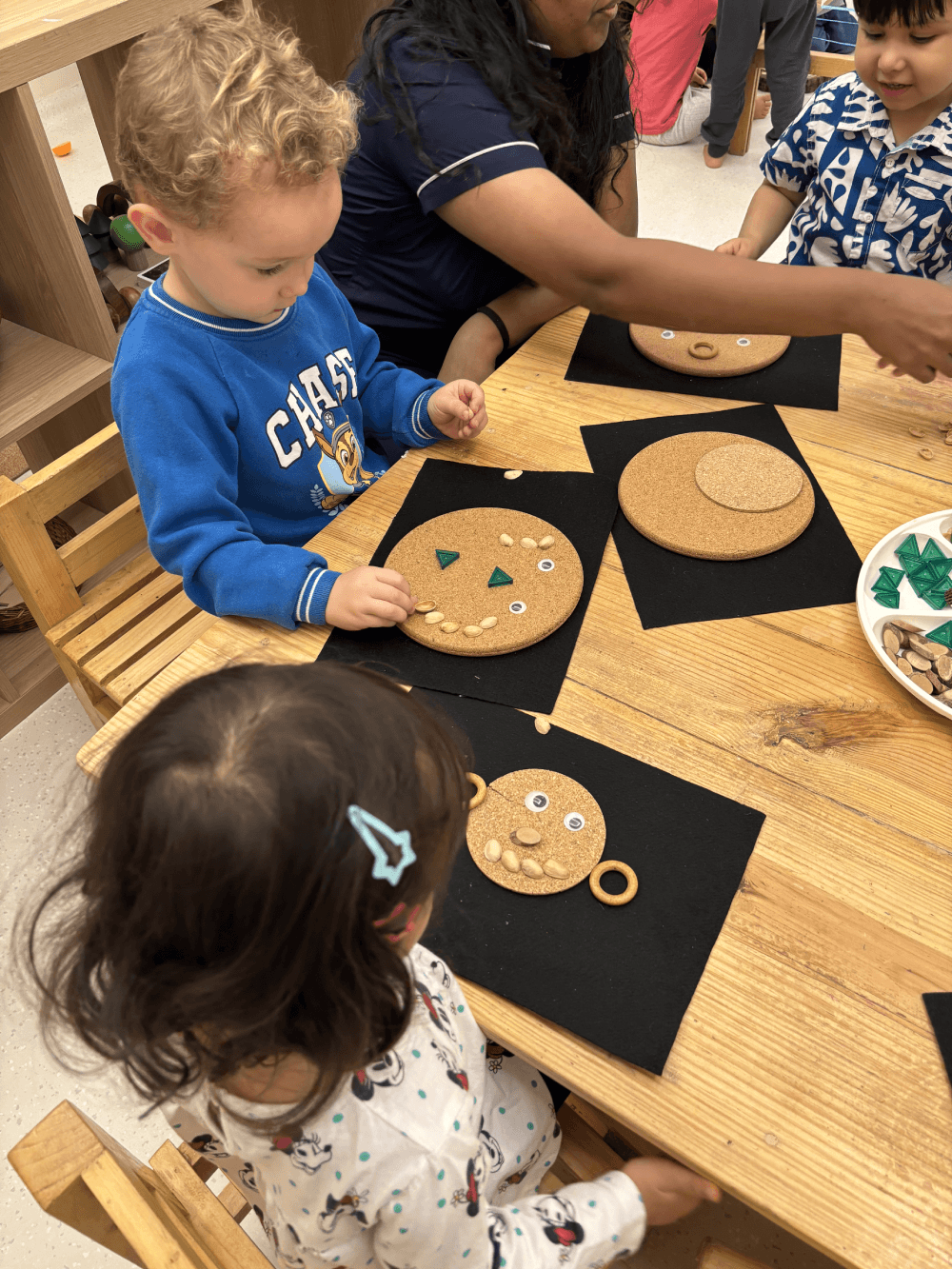
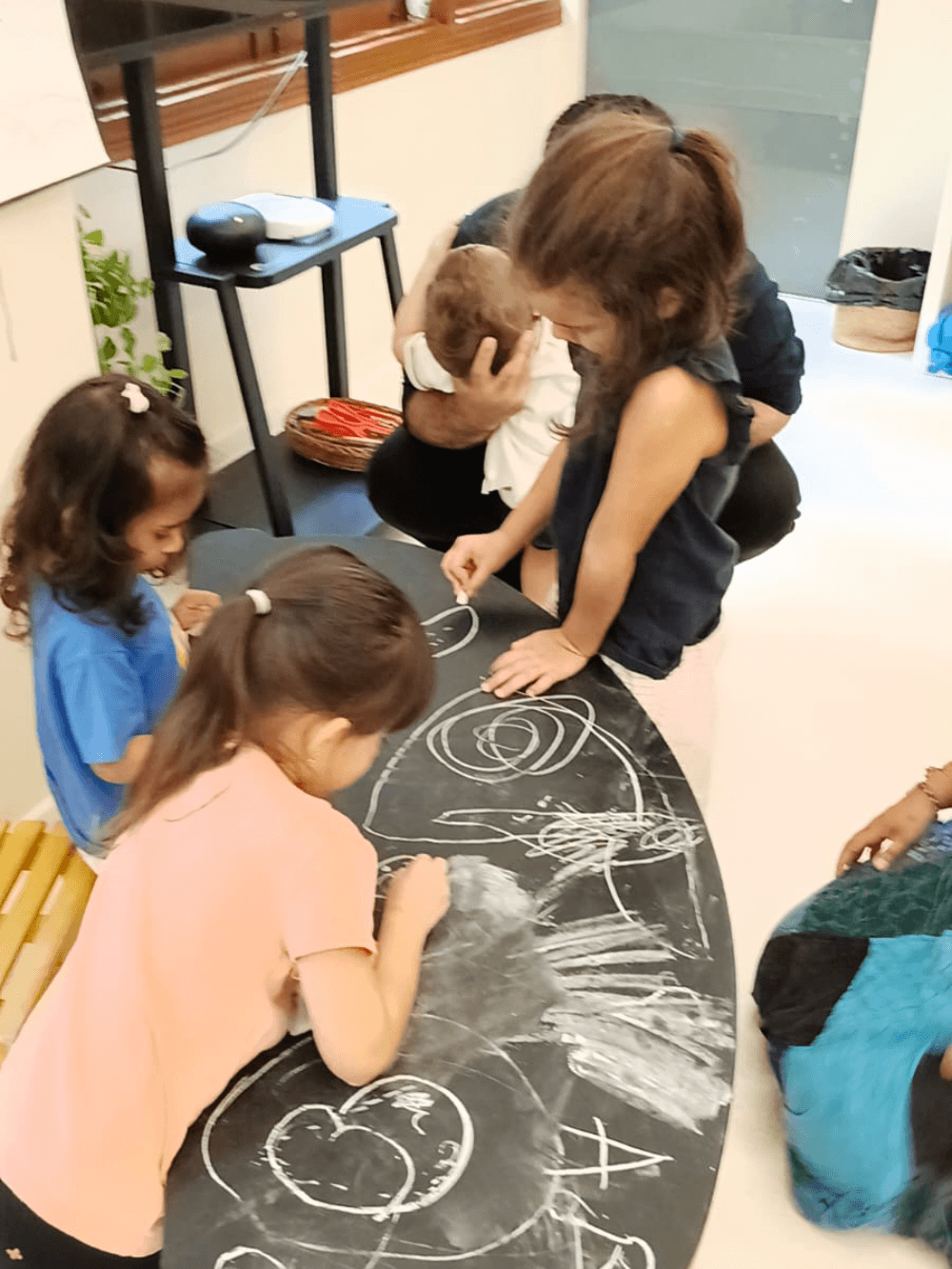
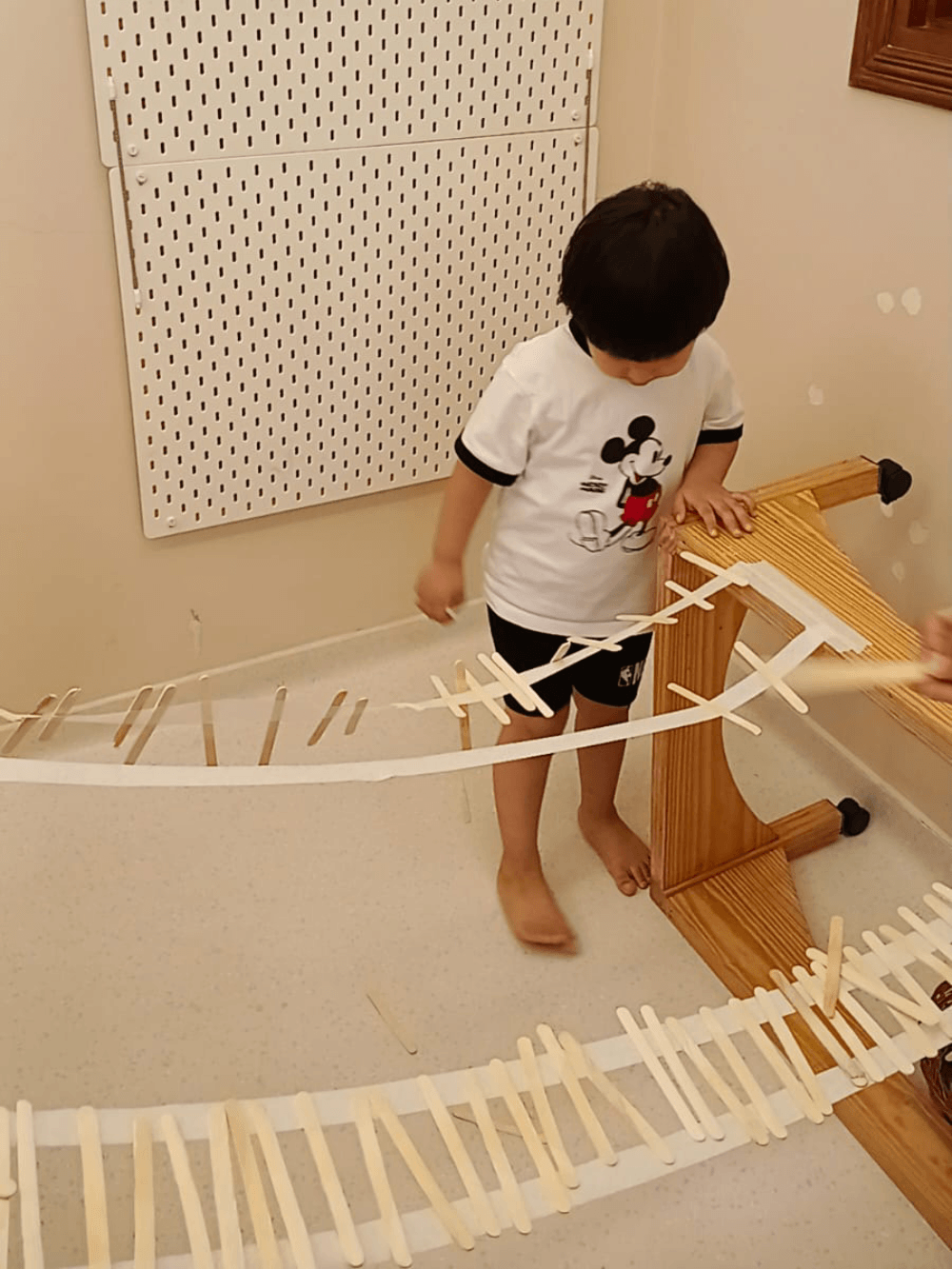
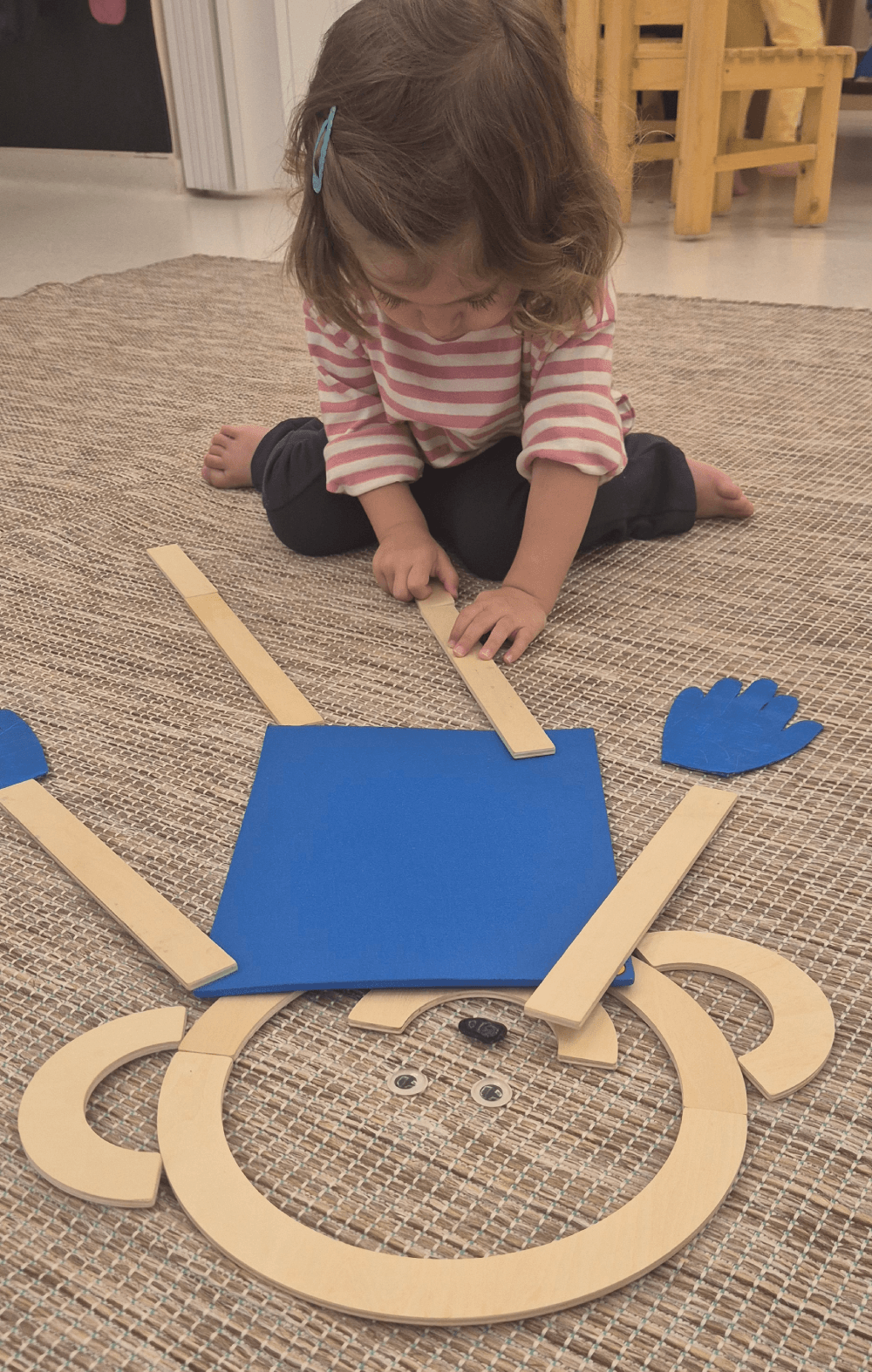
A cardboard box becomes a spaceship. A blanket becomes a fort. A stick becomes a magic wand. These leaps of imagination almost always arrive after the initial discomfort of not knowing what to do — the empty moment is the runway, not the obstacle.
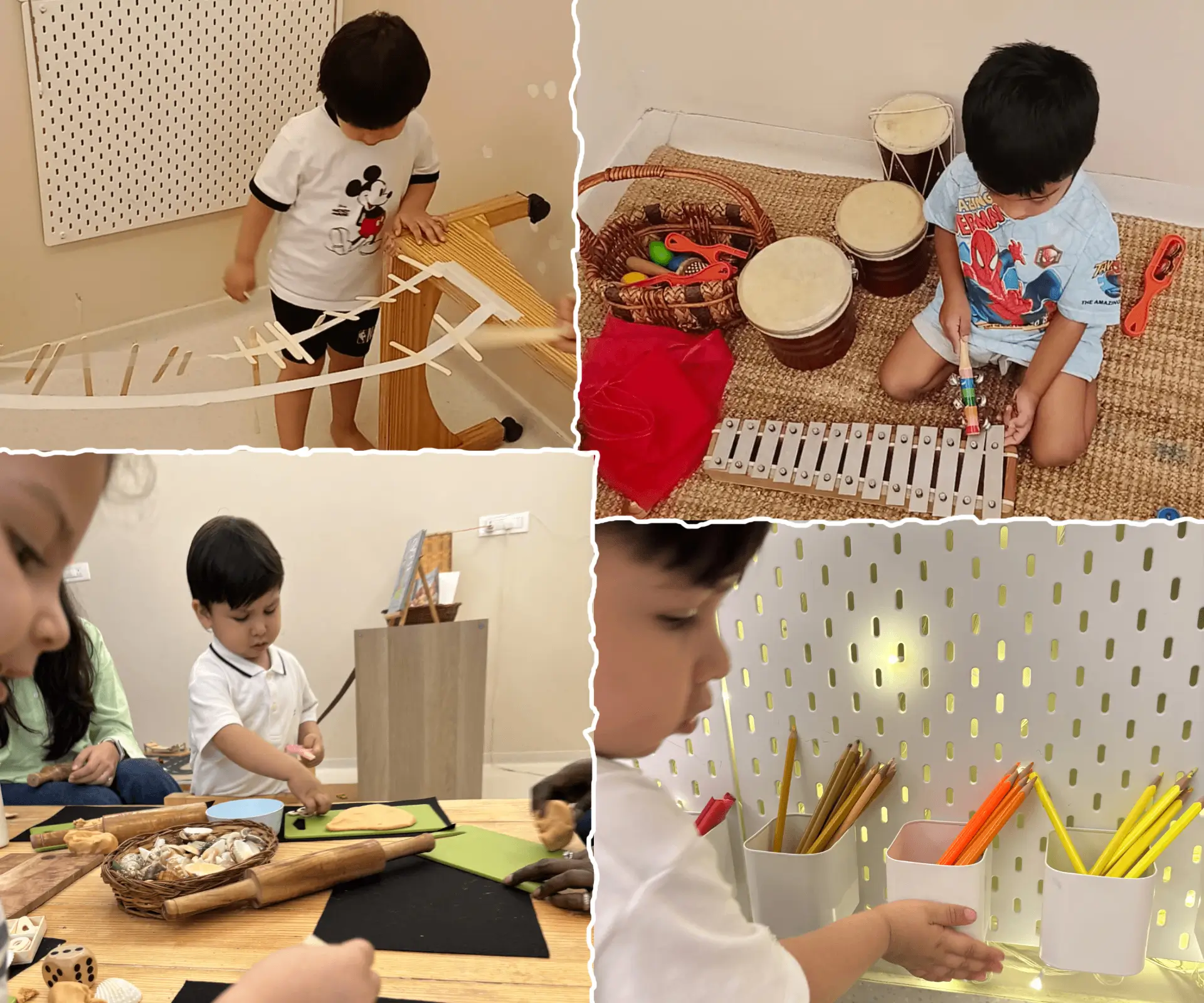
What parents can do: keep a small basket of open-ended materials within reach — boxes, fabric, blocks, tape, natural loose parts. Open-ended things become a hundred different things; a single-purpose toy usually becomes only one.
Children Learn to Follow Their Own Curiosity
In the Reggio Emilia approach that guides our classrooms, children are seen as capable, curious learners who construct knowledge through exploration rather than instruction.
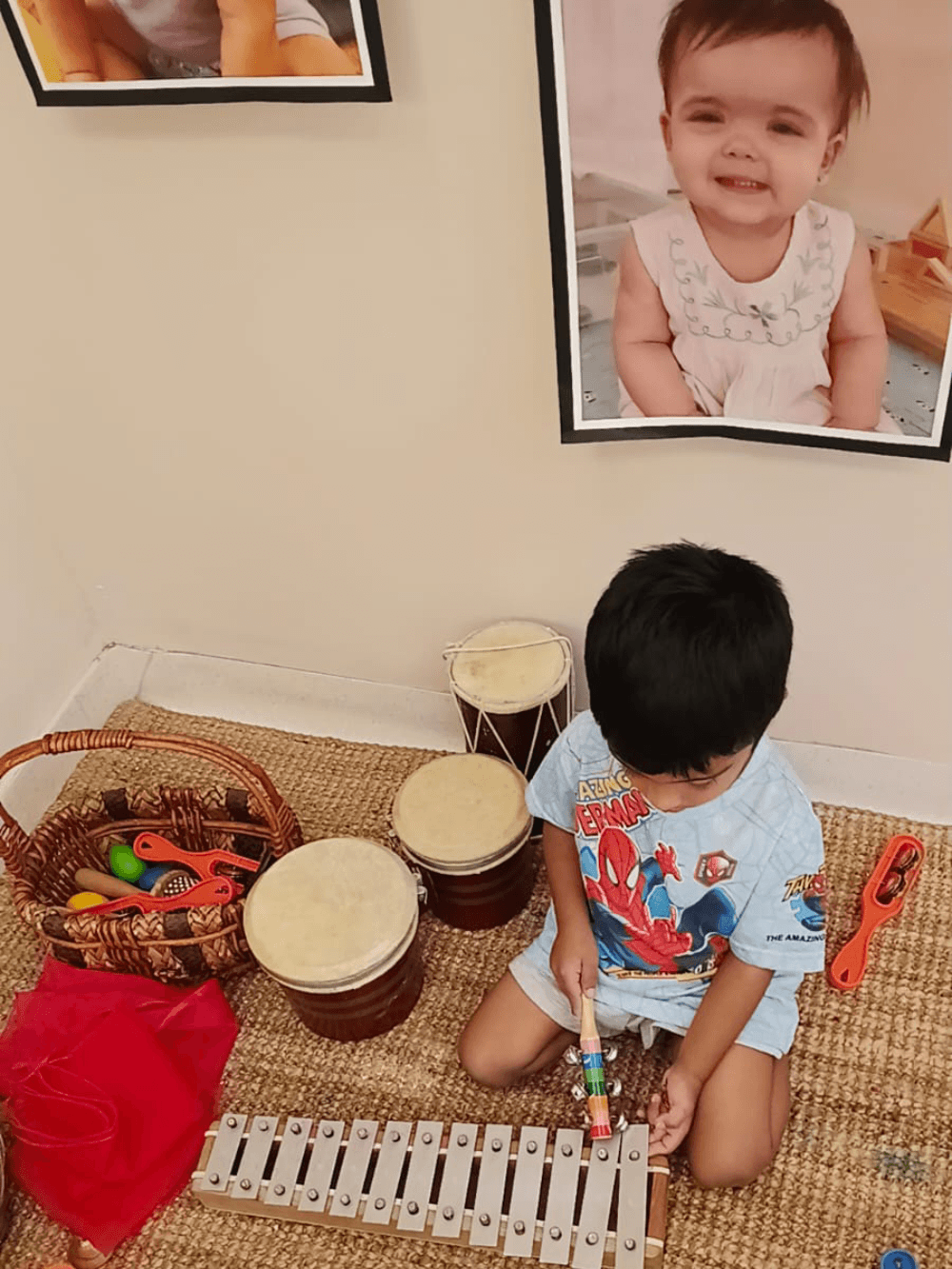
When children have unscheduled time, they learn to listen to their own questions and interests instead of constantly relying on an adult to decide what happens next. Boredom becomes the starting point for investigation, discovery, and deep engagement — the very habits we want a lifelong learner to build.
What parents can do: notice what your child drifts toward when nobody is steering — water, insects, drawing, stacking, sorting — and quietly add a little more of it. You’re following their curiosity instead of replacing it.
Boredom Builds Problem-Solving Skills
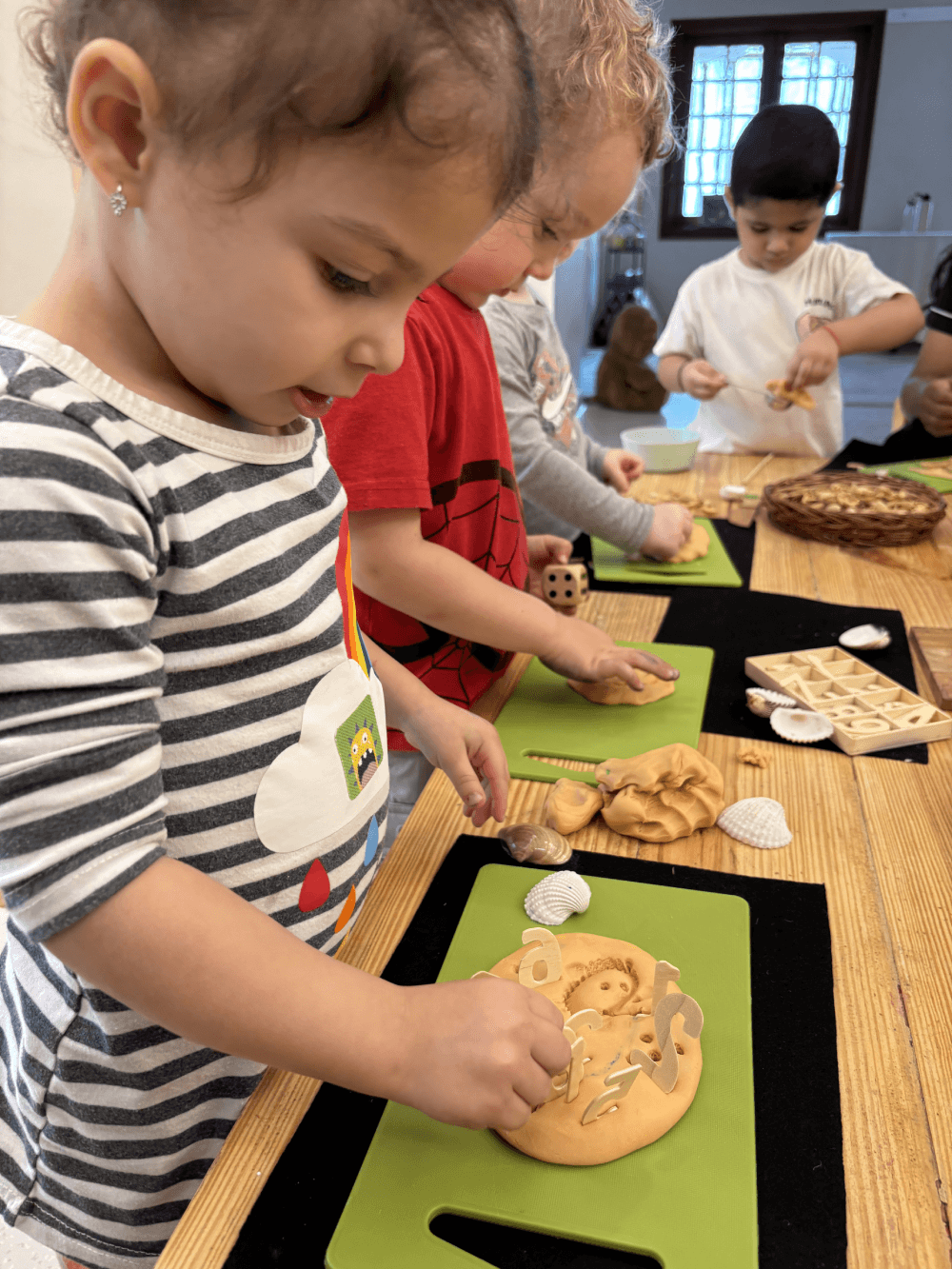
When a child says, “There’s nothing to do,” they are — whether they realise it or not — facing a small, solvable challenge. Instead of immediately solving it for them, we can give them the time and space to think it through:
- What resources do I have?
- What could I make?
- Who could I play with?
- What idea could I explore?
These small, everyday moments are where children develop independence, resilience, and genuine confidence in their own abilities. A child who has solved their own boredom a hundred times has a hundred quiet proofs that they can figure things out.
Rest Is Important Too
Summer does not have to look like a race from one activity to the next. Children spend much of the school year inside schedules, routines, and expectations — summer can and should offer a different rhythm.
That rhythm includes rest, reflection, slow mornings, and time to simply be. Just as adults need genuine downtime, children benefit from moments that are not productive, planned, or observed. Unhurried time isn’t wasted time; it’s when a busy little nervous system gets to settle.
What parents can do: protect one unstructured stretch most days — no class, no screen, no agenda. Boredom often shows up first, and something interesting usually shows up right behind it.
A Different Way to Think About Summer
This summer, consider leaving some blank spaces in your child’s calendar:
- Not every day needs an activity.
- Not every moment needs entertainment.
- Not every hour needs a plan.
Sometimes the most meaningful learning begins when children are given the time and freedom to wonder, “What should I do now?” — and then discover the answer for themselves.
At Circles & Cycles, we believe children thrive when they are given time, trust, and the opportunity to follow their own curiosity. So this summer, don’t be afraid to leave a little room for boredom. It may be exactly where the richest learning begins.
Frequently Asked Questions
Why is boredom important for children?
Boredom is important because it gives children unstructured time to think, imagine, and direct their own play. When they are not being entertained, they learn to ask “What should I do now?” and answer it themselves, which builds creativity, curiosity, problem-solving, and confidence.
What are the benefits of unstructured play in early childhood?
Unstructured play lets children choose what to do, invent their own games, and follow their own ideas. It supports imagination, independent thinking, resilience, collaboration, and emotional regulation, because the child — not an adult or a schedule — is leading the experience.
How can parents help a child who says “I’m bored”?
Try pausing before offering a solution. Give your child a little time to sit with the boredom, and offer open-ended materials like boxes, blocks, or fabric rather than a ready-made activity. A gentle “I wonder what you’ll come up with” hands the problem back to them.
Is too much boredom bad for toddlers?
Short stretches of boredom are healthy and productive. What children need is a balance: enough unstructured time to explore on their own, alongside warm connection, rest, and a few predictable routines. The goal is space to wonder, not long periods of feeling stuck or unsupported.
At what age does boredom start to benefit children?
Even toddlers benefit from unscheduled time to explore at their own pace, and the benefits grow through the preschool years as children become more able to plan, imagine, and solve problems independently. Open-ended time is valuable at every early stage.
How does the Reggio Emilia approach view boredom and free time?
In the Reggio Emilia approach, children are seen as capable, curious learners who construct knowledge through exploration. Unstructured time is valued because it lets children follow their own questions and interests, making boredom a starting point for investigation and deep engagement.
How much free time should a child have during summer?
There is no fixed number, but it helps to protect at least one unstructured stretch most days — with no class, screen, or agenda. Leaving deliberate blank spaces in the calendar gives children room to rest, reflect, and follow their own curiosity.
Does Circles & Cycles support unstructured, child-led learning?
Yes. At Circles & Cycles in Bandra, our Reggio-inspired programmes give children real choice, open-ended materials, and time to follow an idea as far as it wants to go, so child-led exploration is at the heart of how we work.