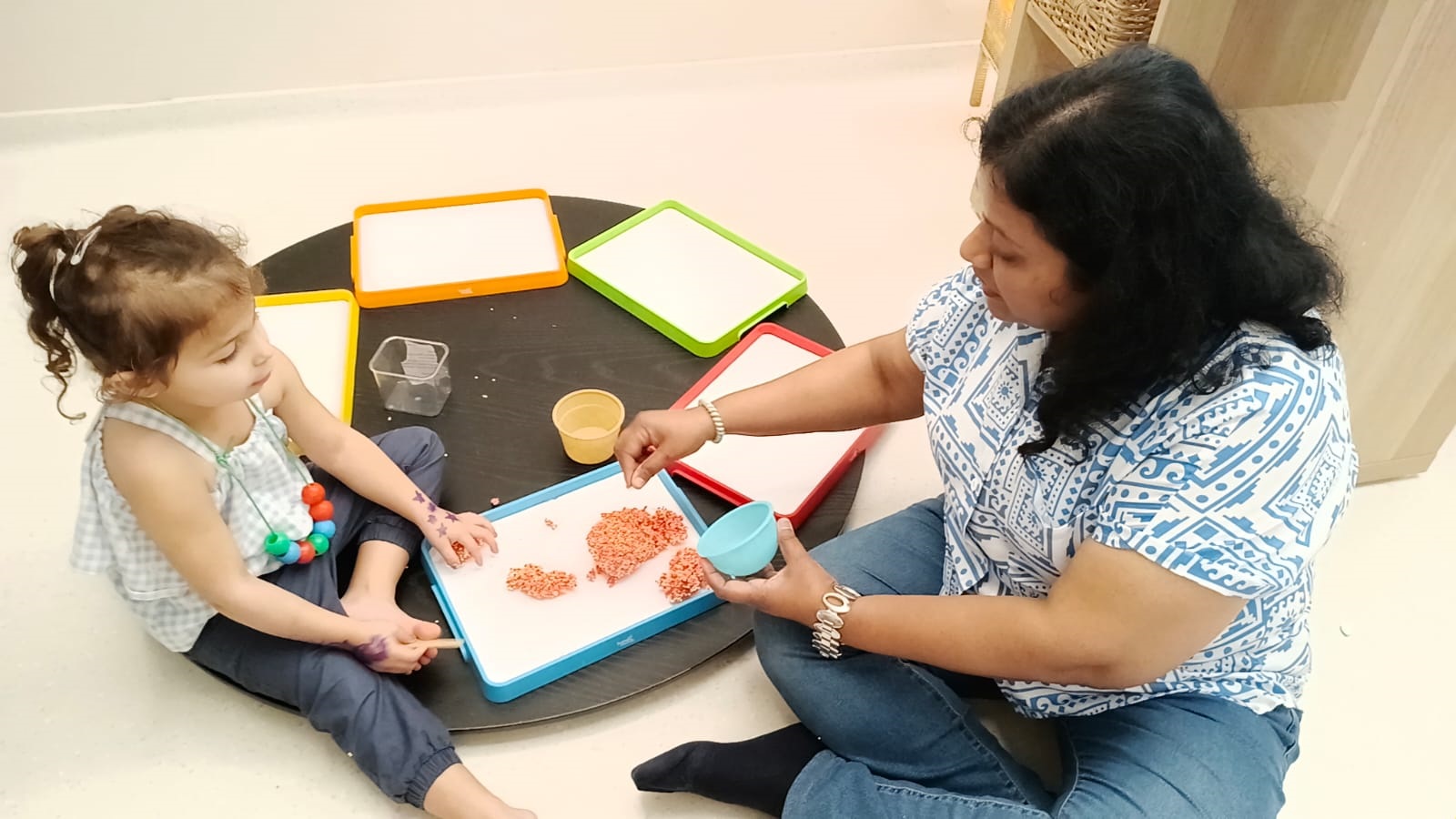
When parents leave their child at school, one of the most important things they need to know is simple: my child is safe here.
Safety in early childhood is often associated with physical protection. Are the adults trained in first aid? Is the building secure? What happens in an emergency? These questions matter enormously, especially when we are caring for very young children.
At Circles & Cycles, we believe that keeping children safe goes further. Children also need to feel emotionally secure. They need to know that the adults around them are trustworthy, attentive and available. They need a school where their wellbeing is taken seriously and where safeguarding is embedded into everyday practice.
This means thinking about safety in three connected ways: physical safety, emotional safety and child safeguarding.
Physical safety is everyone’s responsibility
Young children are naturally curious. They climb, run, experiment, test boundaries and discover what their bodies can do. A good early childhood environment cannot remove every element of risk. Instead, it needs thoughtful adults who understand how to create an environment where children can explore while being appropriately protected.
At C&C, our facilitators and staff receive training in CPR and First Aid, which is renewed every two years. This ensures that the adults working with children are equipped to respond when a child needs immediate care.
If a child has an accident or gets hurt at school, we attend to them immediately. Depending on the situation, this may include an ice pack, an appropriate antibacterial cream or a bandage. Parents are informed immediately about what has happened and how their child has been cared for.
These everyday responses are important. But physical safety also depends on being prepared for situations that we hope never happen.
We regularly practise fire drills and other emergency procedures so that both adults and children become familiar with what to do. Emergency preparedness is not something that can begin only when an emergency occurs. It needs to be understood and practised beforehand.
Health and hygiene are another part of physical safety. We have a strict policy that children should not come to school if they have a fever or a runny nose. We also have a lice policy to help protect the wider school community.
These may sometimes feel like inconvenient rules for families, particularly when a child is otherwise feeling well. But in a community of young children, decisions about one child can affect many others. Keeping children safe therefore also means thinking about the wellbeing of the whole community.
Emotional safety begins with relationships
Physical safety can often be seen. Emotional safety is different.
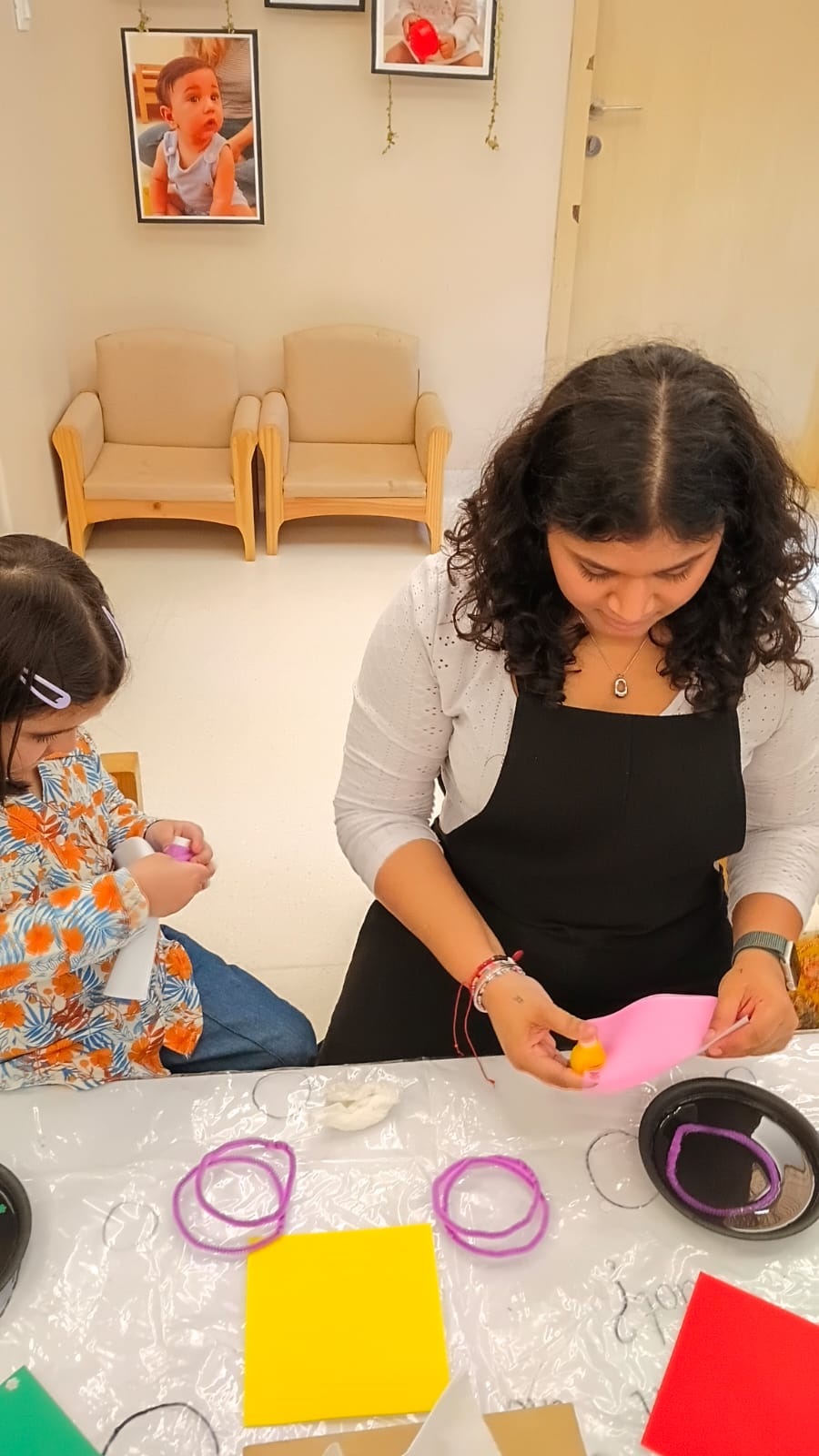
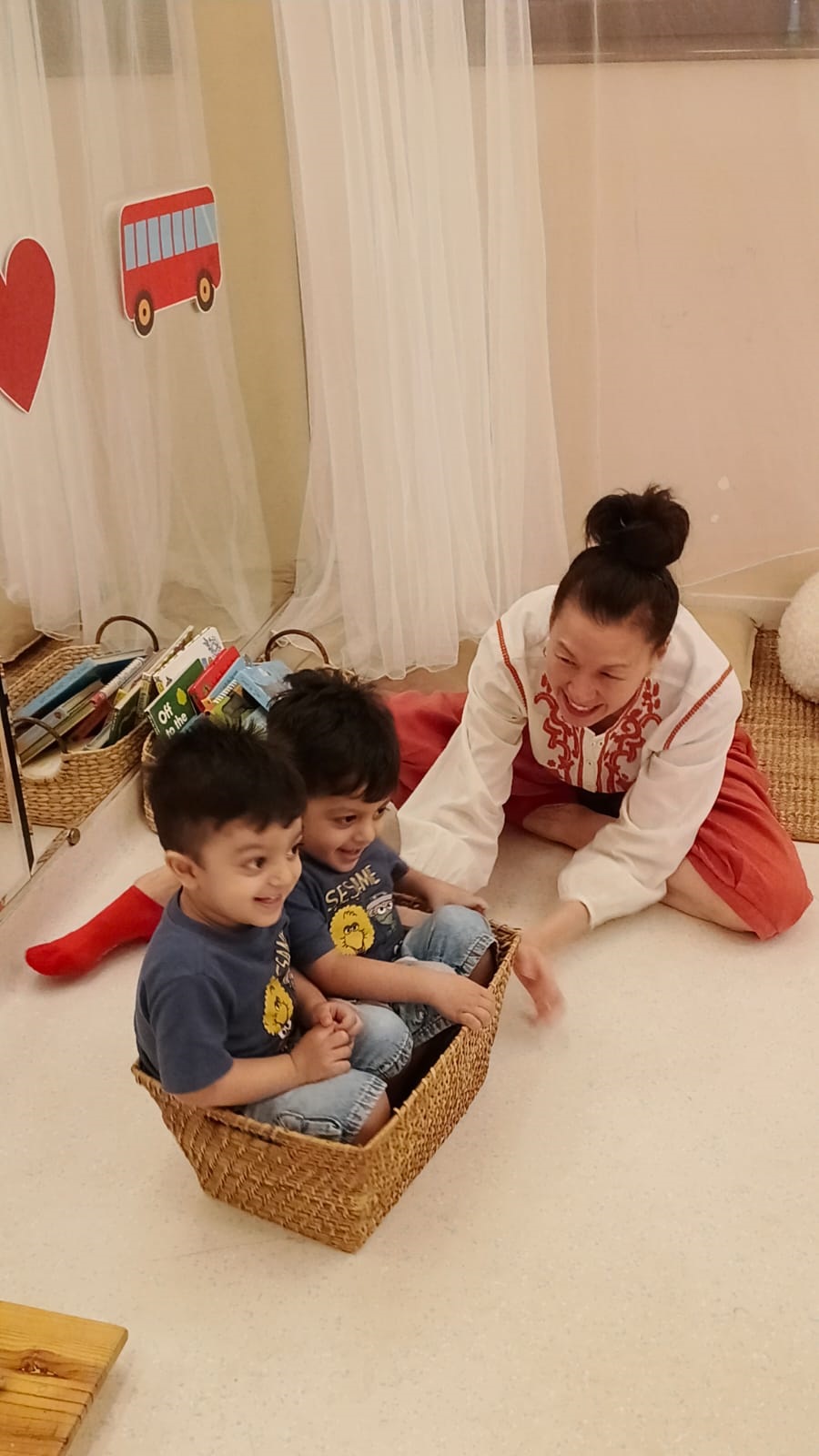
A child may be physically safe in a classroom but still feel uncertain, unheard or anxious. For young children, feeling safe is closely connected to knowing the adults around them and developing relationships built on trust.
This is why relationships are at the heart of our work at C&C.
The Reggio Emilia approach sees the child within a network of relationships rather than as an individual separate from their family, peers, teachers and environment. Gandini describes education as a system in which these relationships are interconnected and reciprocal.
Malaguzzi similarly emphasised the importance of the adult’s presence. Children need to know that the adult is there, attentive and available to them. He described this presence as something vital to the child.
For us, this means that settling into school is not simply about learning the routine.
- It is about a facilitator learning who a child is.
- It is about noticing when a child needs reassurance.
- It is about being available when a child is upset.
- It is about listening carefully rather than rushing to fix every problem.
And it is about building relationships over time so that children know there are adults in school they can trust.
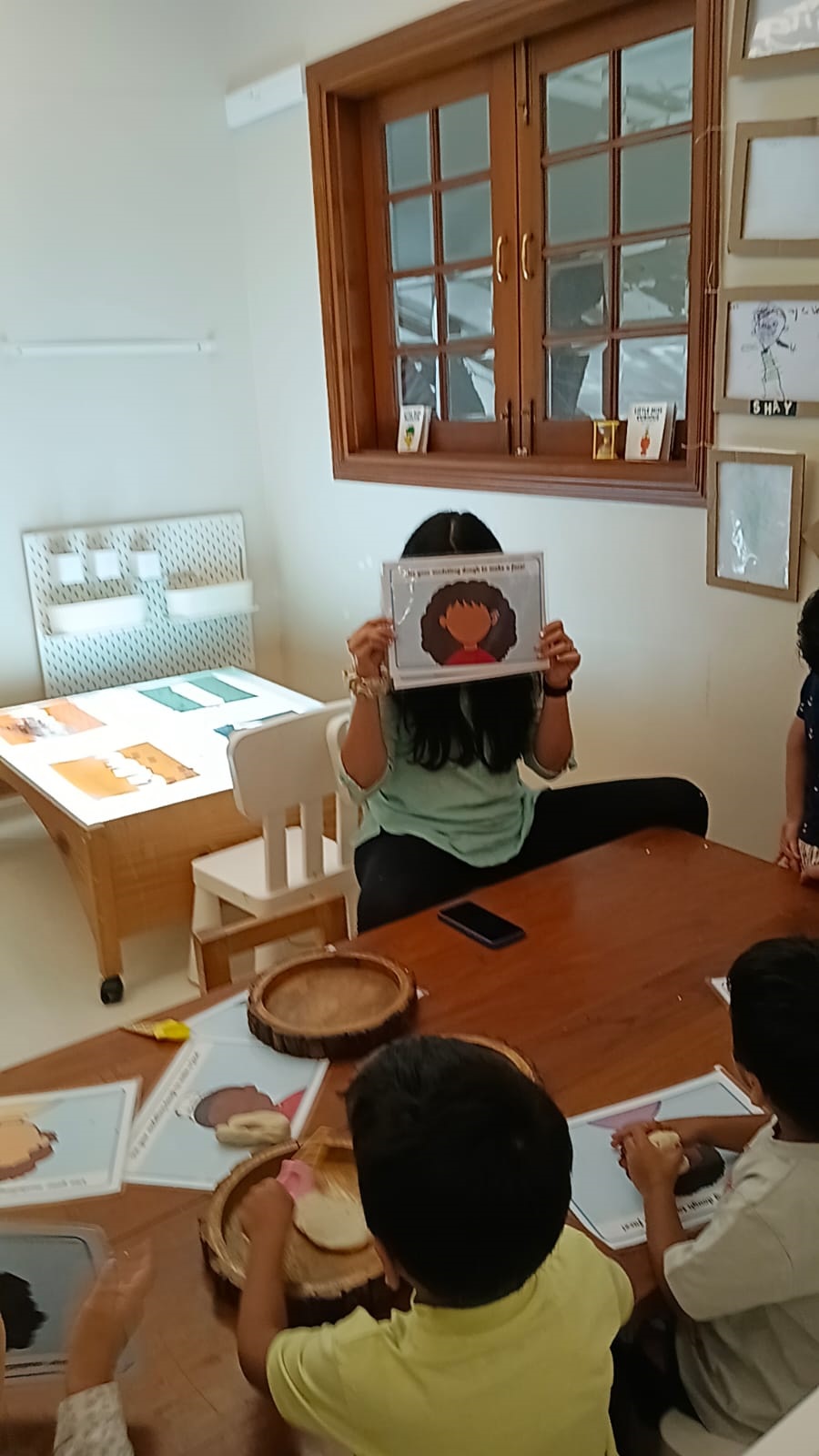
Emotional safety also means helping children understand and communicate what they are feeling. We use stories and books that introduce emotions and give children language for experiences such as happiness, sadness, anger, fear and frustration.
Naming an emotion does not make the difficult feeling disappear. But it can help a young child begin to understand what is happening inside them and communicate it to another person.
A child who can say, “I am angry,” “I am scared,” or “I don’t like that” is developing an important form of agency.
In this sense, emotional safety is not about creating a school where children never experience difficult emotions. It is about creating a school where children know that their feelings can be expressed, listened to and supported.
Child safeguarding: creating a culture of protection
Safeguarding is another important part of keeping children safe.
Child safeguarding is about creating systems, practices and a culture that protect children from harm and ensure that concerns about a child’s wellbeing are taken seriously.
It is not something that sits separately from the rest of school life. It needs to be part of how adults think, behave and interact with children every day.
At C&C, we have undertaken child protection awareness sessions with Christine Charles, a social work professional, through the Rati Foundation. These sessions are intended to help us strengthen and build our child protection systems and increase awareness amongst the adults responsible for children’s care.
Safeguarding also involves looking carefully at everyday routines.
One example is our open bathroom door policy.
When a Didi accompanies a child to the bathroom for toileting or nappy changing, the bathroom door remains open. This is a simple but important practice that creates transparency around personal care.
Young children depend on adults for many intimate aspects of their daily lives. Nappy changing, toileting, dressing and other forms of personal care need to be handled with care, respect and appropriate boundaries.
Safeguarding means thinking about these ordinary moments just as carefully as we think about emergencies.
Safety and the image of the child
There is an important connection between safeguarding and the Reggio Emilia image of the child.
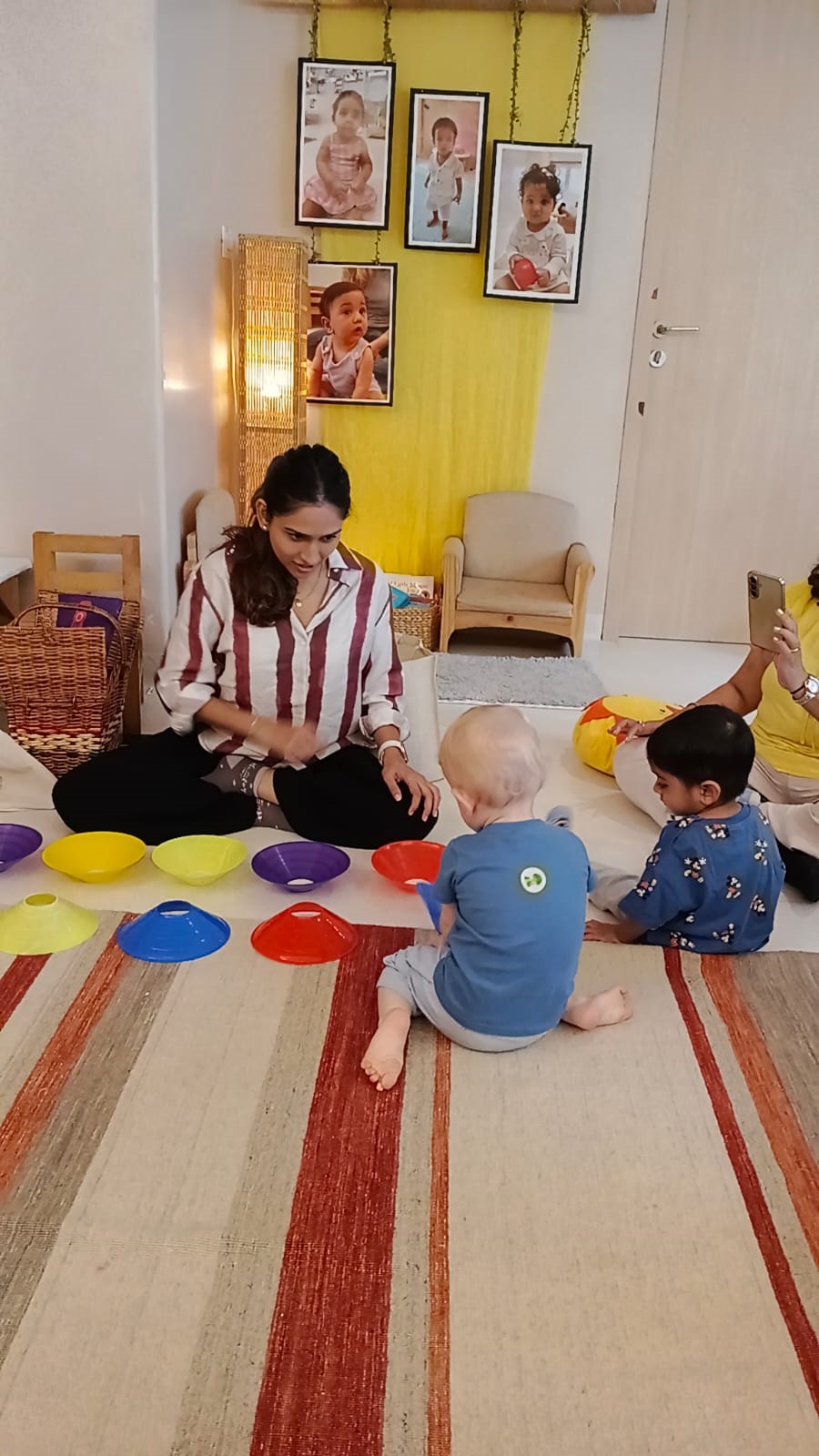
Reggio Emilia does not begin with an image of children as helpless or incapable. Instead, children are seen as capable, curious and full of potential, with rights and an active role in their relationships and communities.
This does not mean that young children do not need protection. They absolutely do.
It means that protection and respect need to exist together.
We can create safe environments without treating children as fragile. We can establish boundaries while still respecting children’s agency. We can provide close supervision while allowing children opportunities to explore, take appropriate risks and develop independence.
Malaguzzi reminds us that children have the right to a good school and that their health and happiness matter alongside their education. He also speaks about children needing adults who are present, attentive and dependable.
This is an important way of thinking about safety.
A safe school is not simply a school where nothing ever goes wrong.
It is a school where adults are prepared to respond when something does go wrong. It is a school where children know who they can turn to. It is a school where adults reflect on their practices and continually strengthen them.
Building a culture of safety
Safety cannot belong to one person or one department.
- It belongs to everyone.
- It is in the facilitator who notices that a child is unusually quiet that morning.
- It is in the adult who knows how to respond when a child falls.
- It is in the team that practises an emergency drill.
- It is in the parent who keeps a child at home when they are unwell.
- It is in the adult who listens when a child communicates discomfort.
- It is in the systems that ensure personal care is carried out with appropriate boundaries and transparency.
And it is in the ongoing conversations that help adults become more aware of their responsibilities towards children.
In a Reggio-inspired school, relationships are central to learning. But relationships also form an important part of children’s sense of safety and belonging. Malaguzzi described the school as a living organism, one in which children, adults and families are connected.
At Circles & Cycles, we want children to experience school as a place where they can explore, question, create, express themselves and build relationships while knowing that the adults around them are there to protect and support them.
Because ultimately, children learn best when they feel safe enough to be themselves.
And creating that safety is not one policy, one training session or one procedure.
It is something we build, every day, together.