At Circles & Cycles, we believe that every child has a right to belong.
As an inclusive preschool, we welcome children with different strengths, ways of communicating, ways of learning and individual needs. This belief is deeply connected to the Reggio Emilia approach and its image of children as capable, curious and full of potential. Lella Gandini writes about children as having rights, interests and the ability to construct their own learning. She also refers to children with “special rights”, rather than “special needs”, as having precedence in becoming part of infant toddler centres and preschools.
This way of seeing children changes how we think about inclusion.
Inclusion is not about making every child participate in exactly the same way. It is about understanding each child, recognising how they communicate and express themselves, and creating an environment where they can participate in ways that are meaningful to them.
This is where another important Reggio principle comes in: The Hundred Languages of Children.
The idea of the Hundred Languages reminds us that children have many ways of expressing their thoughts, ideas and feelings. Language can be spoken, but it can also be expressed through movement, gesture, drawing, construction, music, materials, play, relationships and many other forms of symbolic expression. Gandini describes the use of many media as an integral part of children’s cognitive and symbolic expression, rather than as something separate from learning.
For an inclusive school, this is particularly meaningful.
A child may not always communicate through words. They may show us what they understand through a gesture, a movement, a drawing, the way they interact with a material, or through their relationships with other children. When we remain open to these different languages, we are better able to notice what a child is communicating rather than focusing only on what they may not yet be able to do.
Loris Malaguzzi also described the Hundred Languages as extending beyond children. He spoke about adults and teachers having many languages and many roles, requiring them to observe, listen, respond and adapt rather than simply transmit information to children.
This connects closely to how we approach inclusion at C&C.
We begin by seeing the child.
Seeing the Child Before the Need
When a child joins C&C with an identified need, we do not want that need to become the first or only thing we see.
We want to understand who the child is.
What interests them? What makes them feel comfortable? How do they communicate? What brings them joy? How do they connect with other children? What are they already able to do? What support might help them participate more fully?
This reflects the Reggio understanding that a child should not be considered in isolation, but in relationship with their family, other children, teachers, the environment and the wider community.
For us, inclusion begins with relationships.
Our facilitators spend time observing children closely. They listen to what children are communicating through their words, actions, expressions, play and interactions. Documentation and ongoing conversations help the team understand the child and think about how the environment and experiences can support their participation.
Inclusion Is a Shared Responsibility
Supporting a child is not the responsibility of one person.
At C&C, we believe that inclusion works best when the adults around a child communicate and collaborate with one another. Our facilitators work alongside specialists who support children at school, allowing us to develop a more connected understanding of the child.
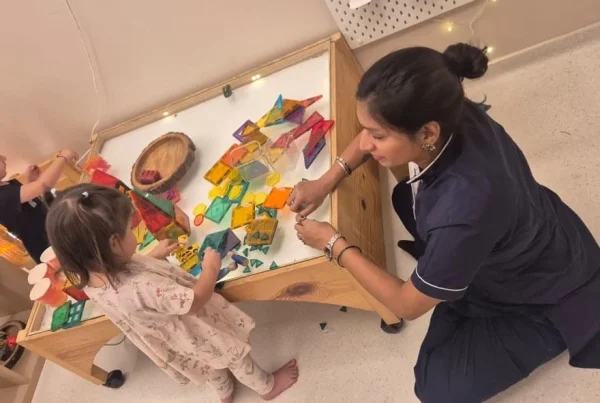
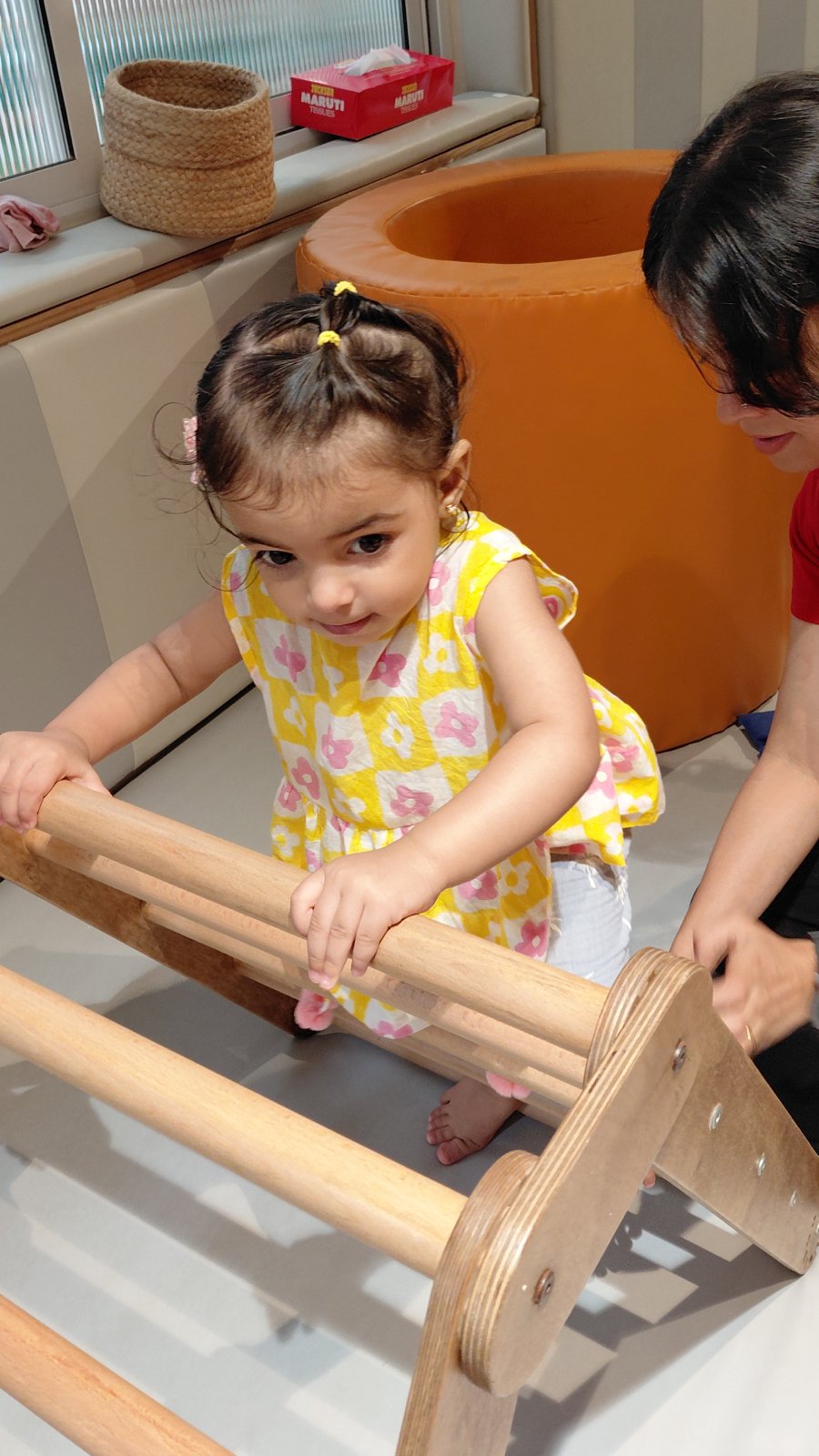
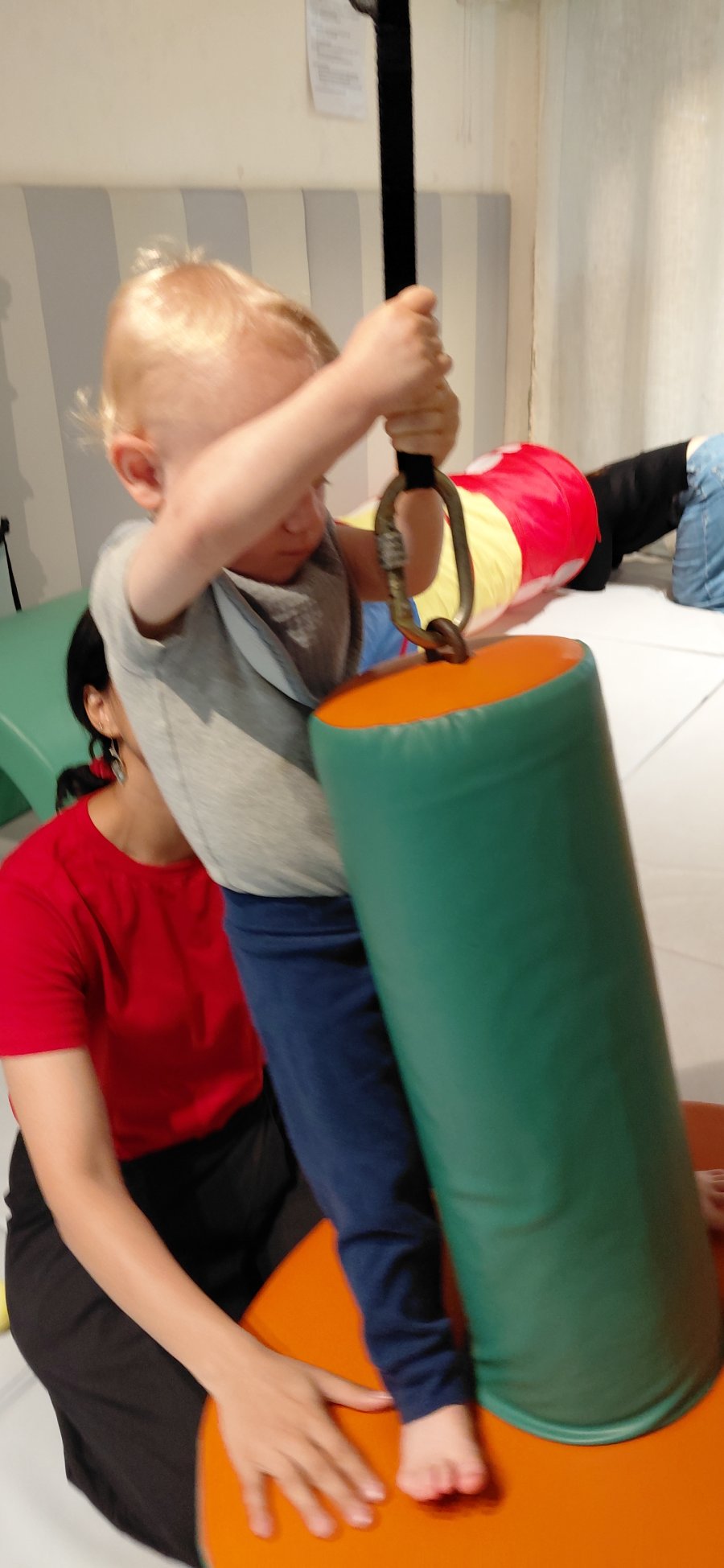
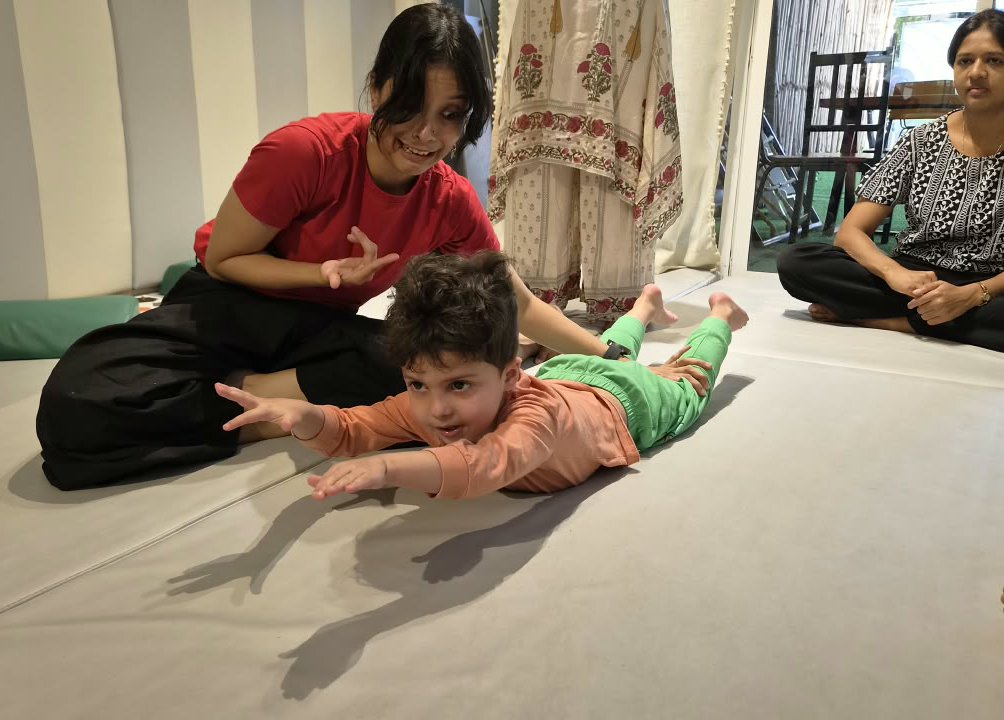
We have a Pediatric Occupational Therapist who works with children through our Intentional Movement and Play programme. We have redesigned our Atelier as an Occupational Therapy room fitted with specialized equipment and resources. We also collaborate with a Speech Therapist who comes into school for sessions. Assessments by our Occupational Therapist and Speech Therapist help us understand individual needs and consider what support may be useful.
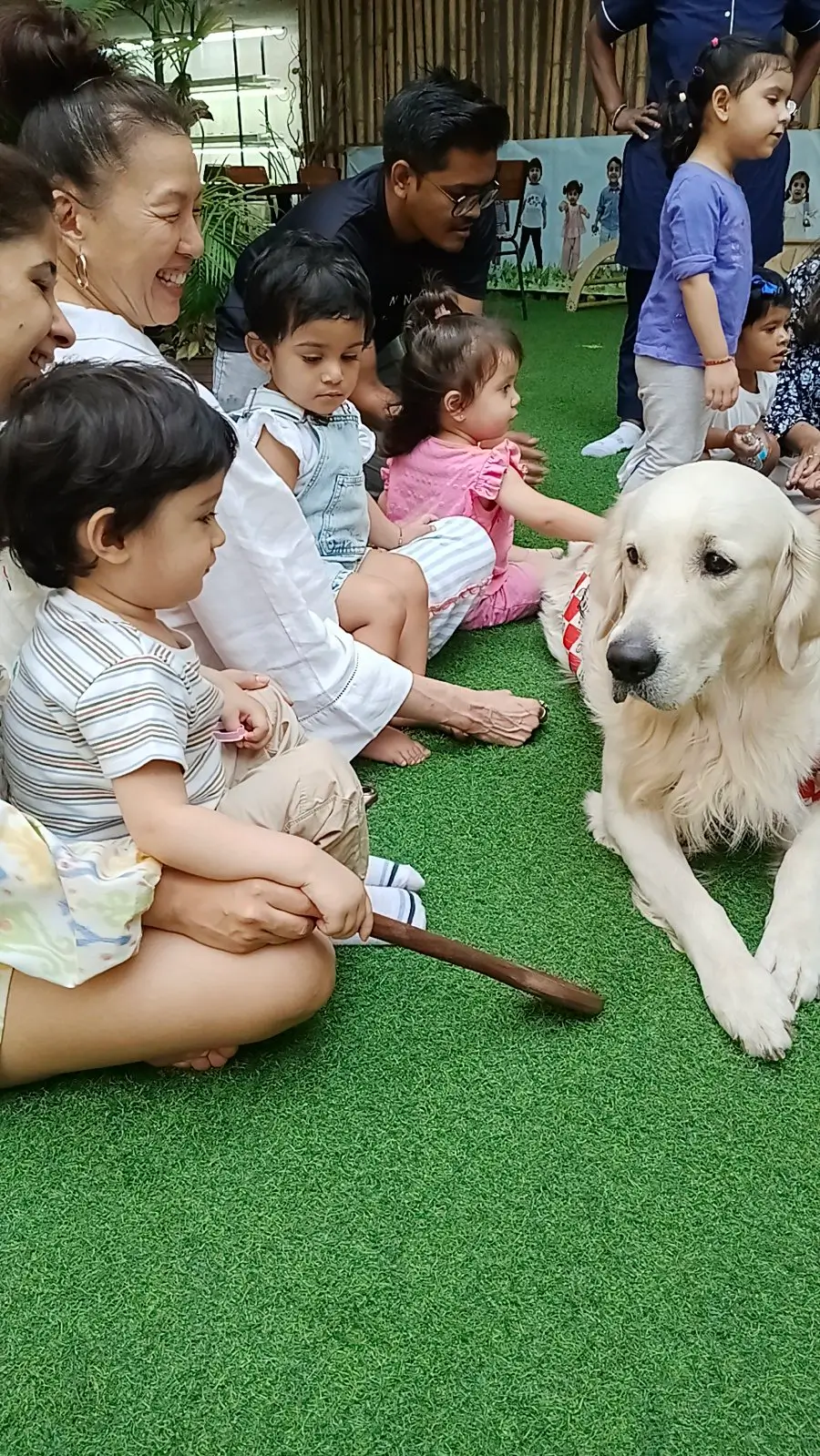
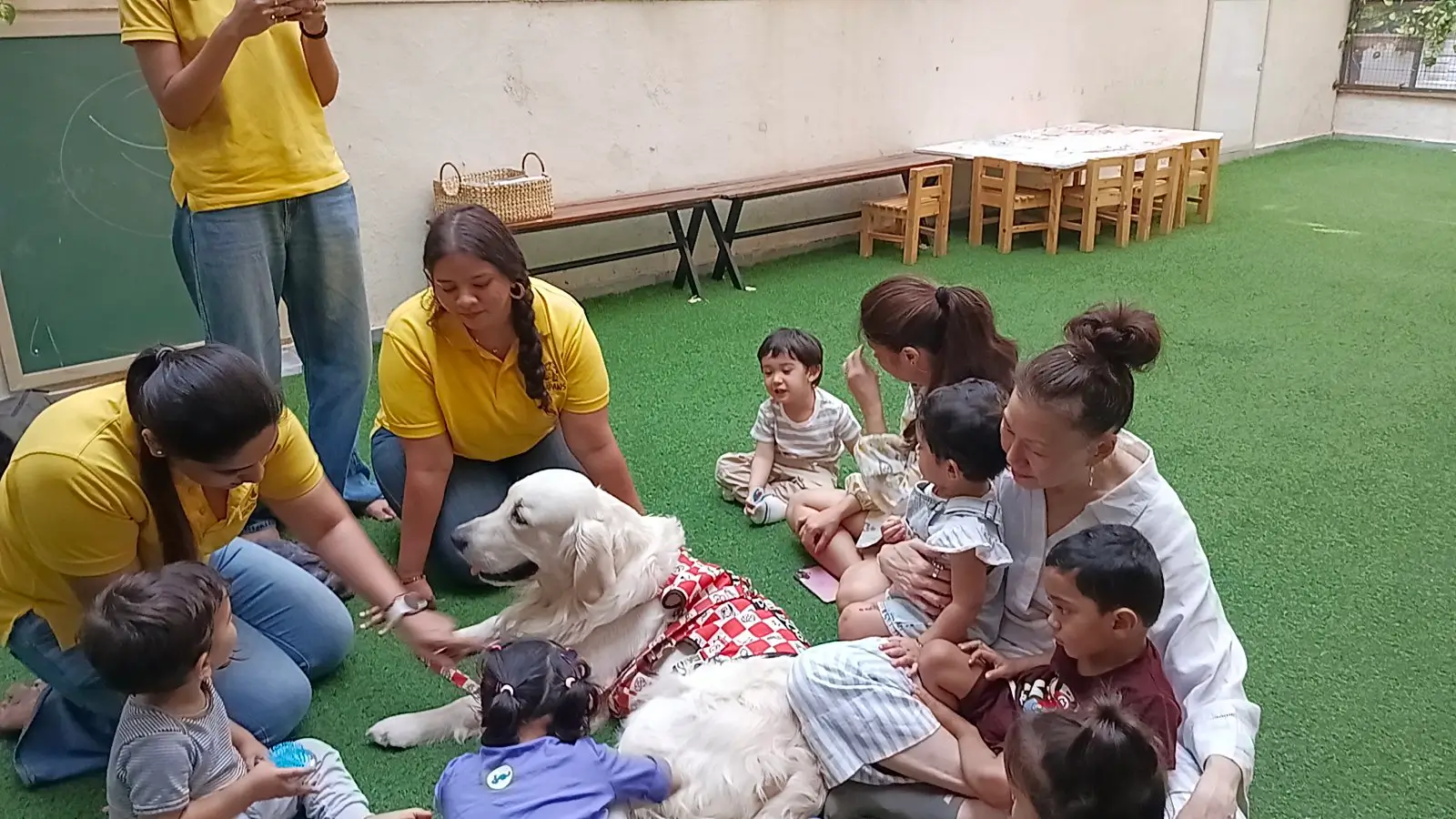
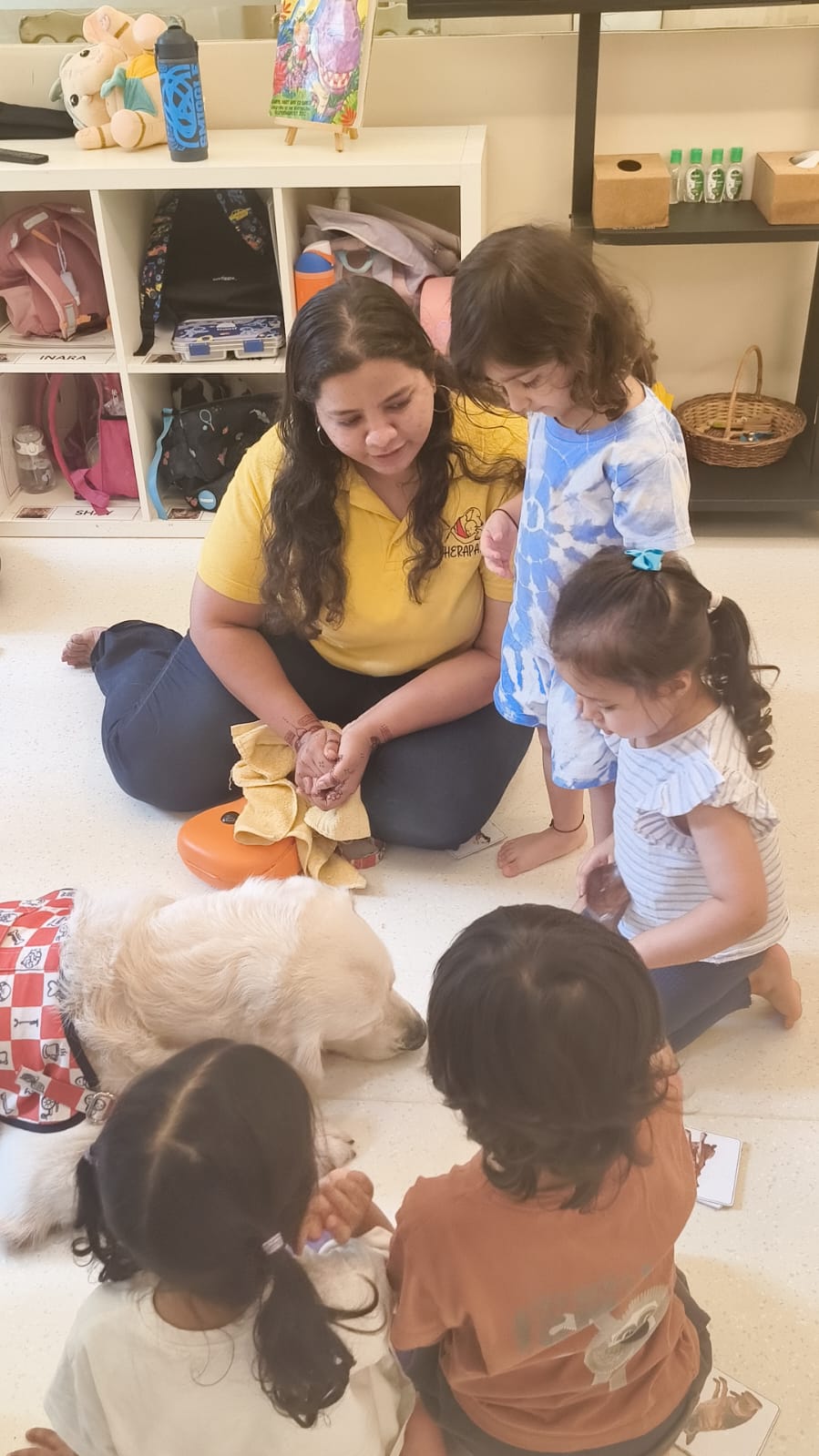
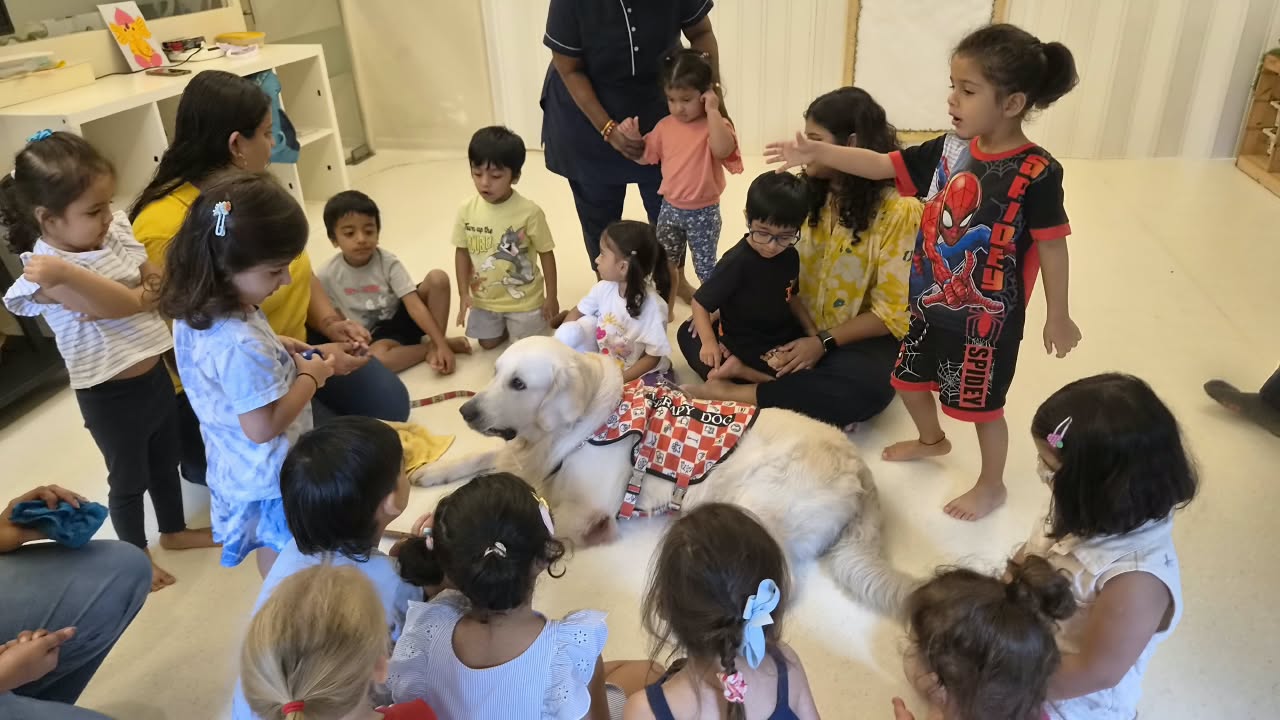
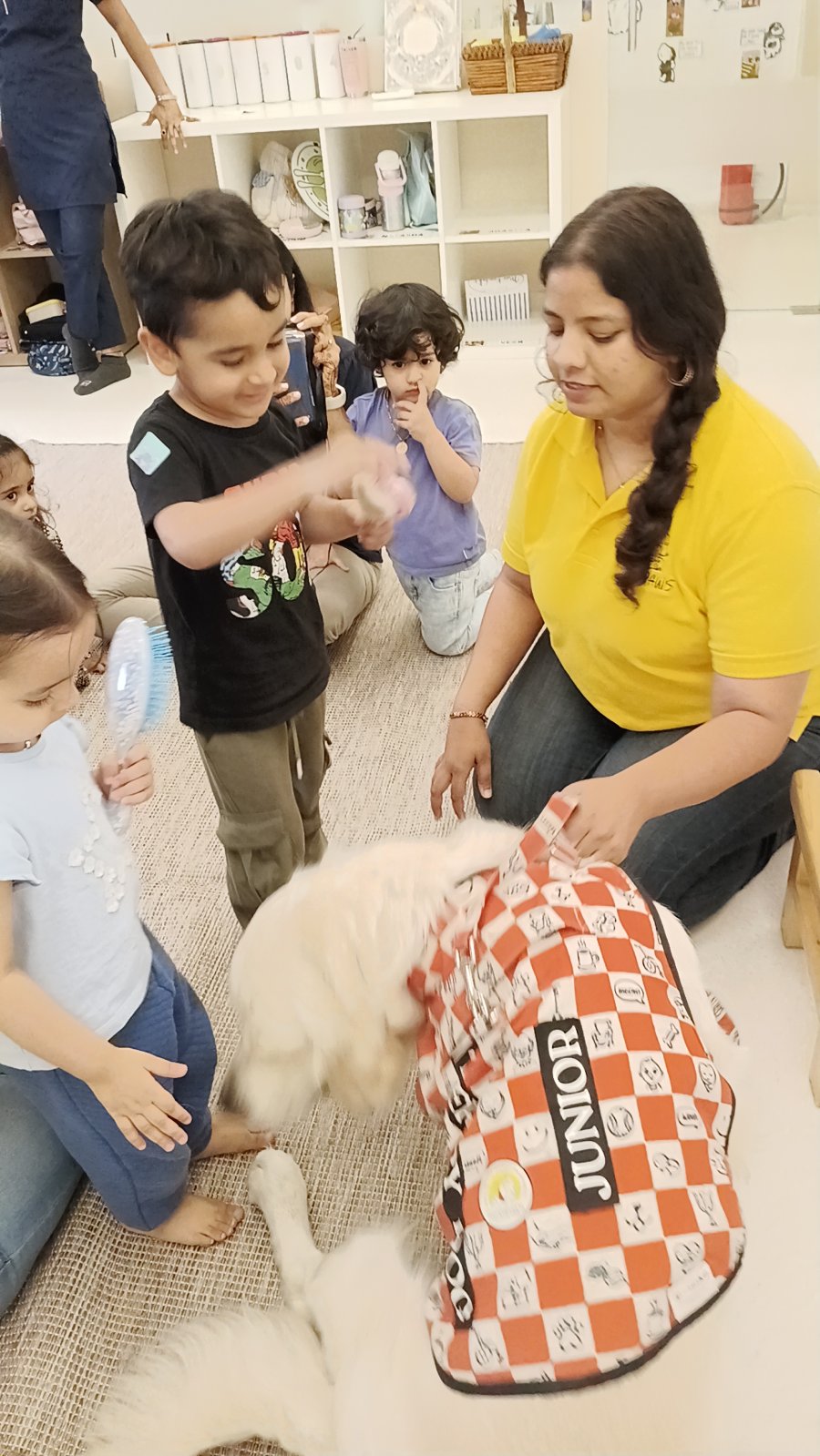
We also work with Therapaws, who bring a therapy dog into school as another way of supporting children’s experiences and relationships.
These different forms of support become part of a larger picture.
The goal is not for therapy and classroom learning to exist separately. When specialists work alongside our facilitators, there can be greater continuity between what a child is working on and what happens during their everyday experiences at school.
A Team Around the Child
Our facilitators communicate with therapists about the areas being worked on so that they can understand how they might support or continue relevant exercises and strategies within the classroom.
This does not mean turning the classroom into a therapy room.
The classroom remains a place for play, relationships, exploration, discovery and shared experiences. But having a shared understanding allows facilitators to make thoughtful adjustments and create opportunities for children to participate in ways that work for them.
This collaborative approach is consistent with the Reggio idea of teachers as learners and researchers. Gandini describes teachers observing, listening, discussing and interpreting children’s experiences together before making decisions about how to proceed.
Ravi’s Journey
One of our young toddlers, whom we will call Ravi, joined C&C with a known speech delay. His parents shared this with us when he enrolled.
The family was also new to the country, so we helped connect them with Speech Therapists whom we knew and trusted. Over time, Ravi also began receiving Occupational Therapy and ABA services, both within school and privately outside school.
As these different professionals became involved, communication between the adults supporting Ravi became important.
Our facilitators were able to understand what the therapists were working on and consider how some of those areas could be naturally supported during the school day. Rather than separating Ravi’s learning into different compartments, the adults around him could build a more connected picture of his experiences.
Over time, we have observed significant changes in many areas of Ravi’s participation.
He is increasingly engaging during sessions. He is participating more actively in classroom experiences and is beginning to connect more with the other toddlers around him.
We are careful not to attribute these changes to one particular intervention. Development is complex, and every child’s journey is different. What we can see is the value of having a group of adults who know the child, communicate with one another and continue to notice and respond to his changing interests and abilities.
From Participation to Connection
For us, inclusion is about more than being physically present in the classroom.
It is about being part of the group.
A child may participate by watching before joining. They may communicate through movement before words. They may need more time to approach another child. They may engage with a material differently from their peers.
These are all things worth noticing.
Malaguzzi spoke about children learning with and from one another and emphasised the importance of relationships between children. He encouraged adults to observe carefully and understand the many ideas children are working with rather than imposing adult expectations on their experiences.
At C&C, we therefore look for the moments when a child is connecting.
- A shared smile.
- A gesture towards a friend.
- Joining a song.
- Reaching for a material.
- Watching another child and then trying something themselves.
These moments may appear small, but they can tell us a great deal about a child’s growing sense of belonging.
The Classroom Belongs to Everyone
An inclusive classroom does not have to look the same for every child.
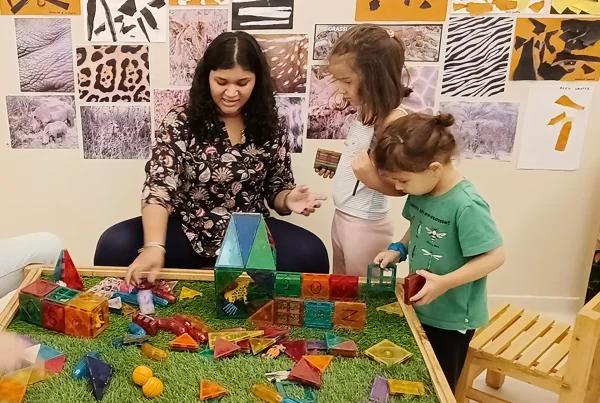
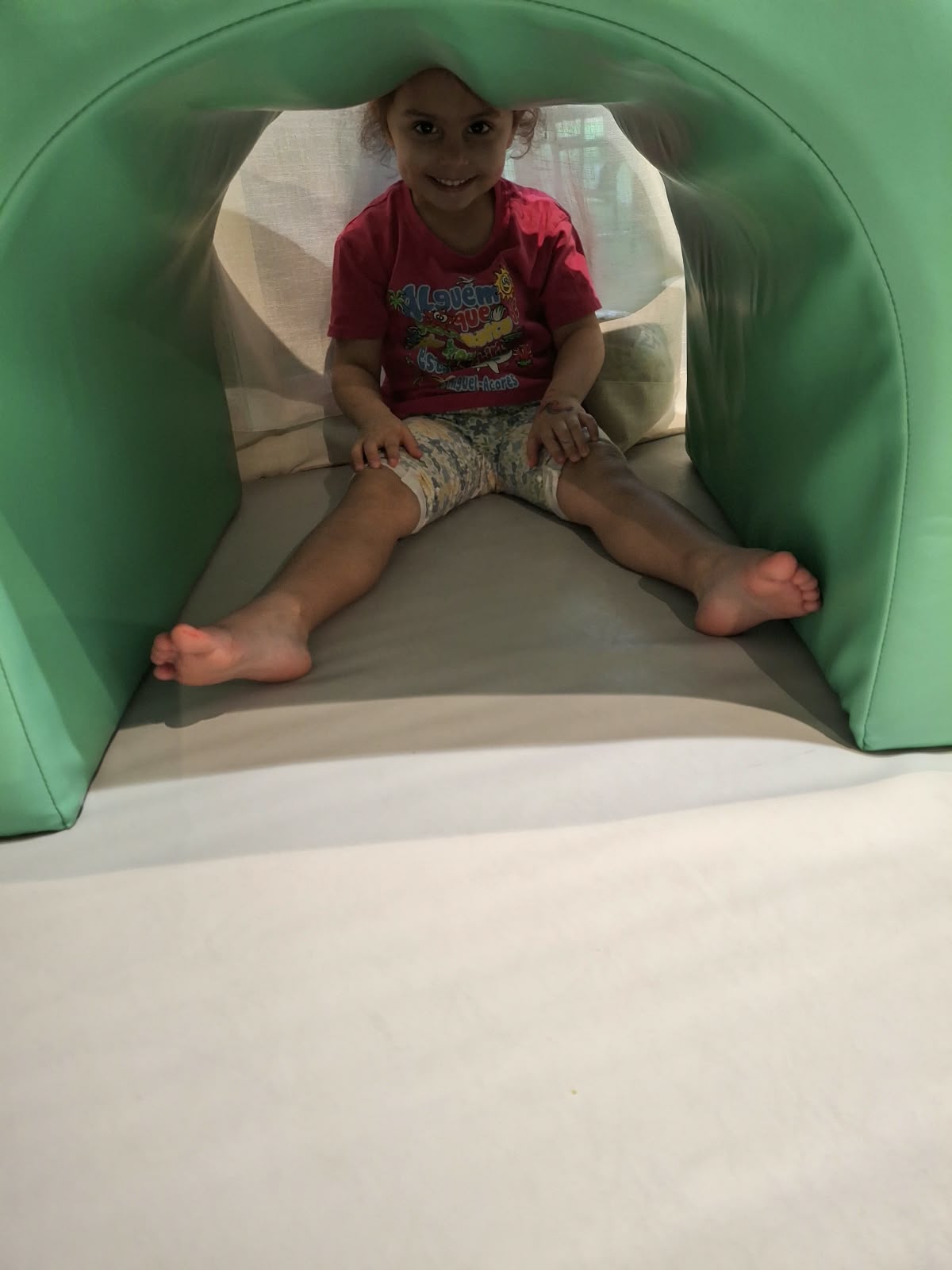
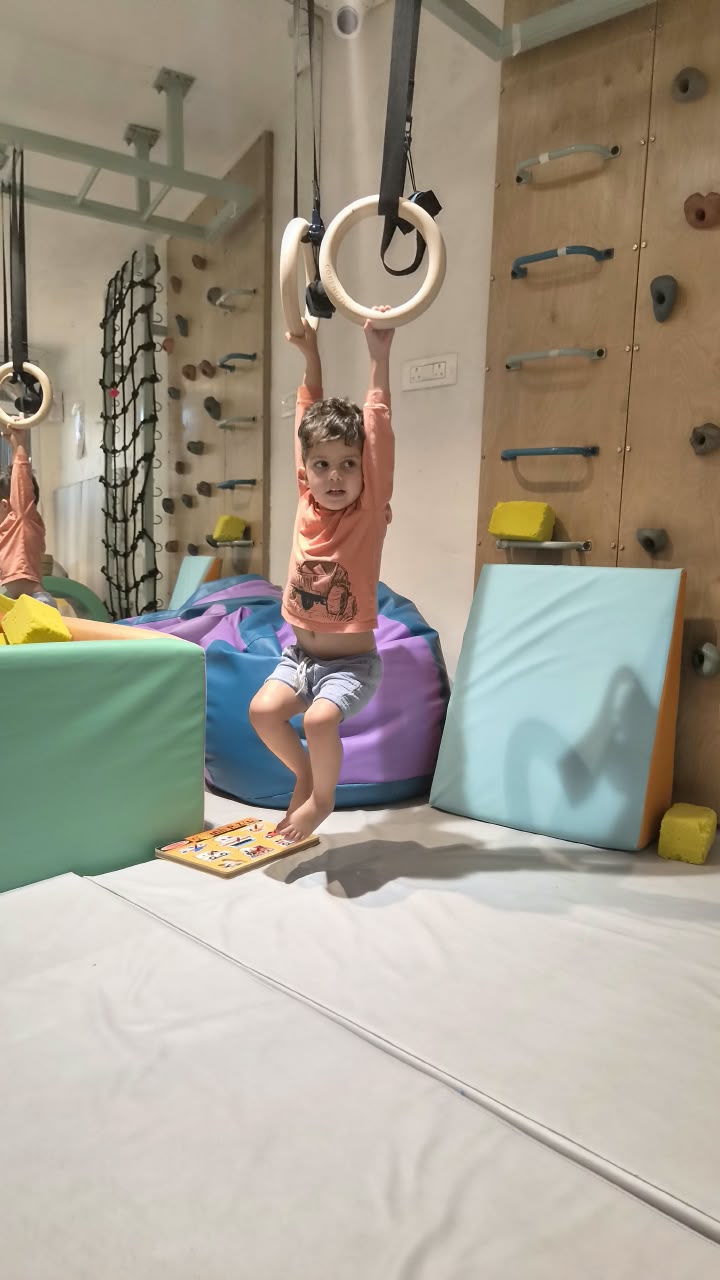
The environment can offer different ways to engage. Materials can be explored in different ways. A facilitator can adjust the pace, offer additional support or give a child the time and space they need.
This is closely connected to the Reggio understanding of the environment as an important part of children’s learning. Gandini describes spaces that encourage encounters, communication and relationships, including opportunities for children to engage in small groups.
We also think carefully about the materials and experiences we offer.
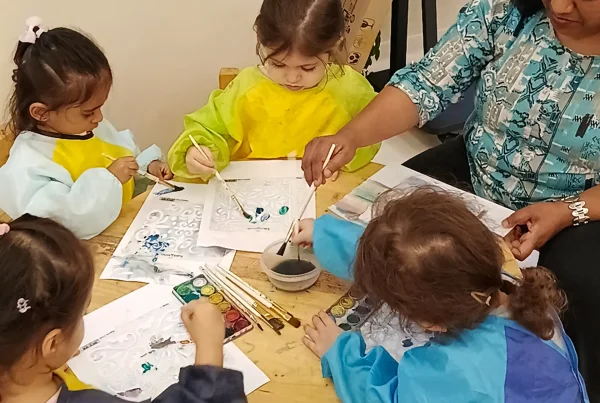
The Hundred Languages reminds us that children can communicate their thinking through many forms. A drawing, a movement, a construction, a piece of music, a dramatic play experience or an interaction with another child can all become ways of expressing and making meaning.
This gives every child more than one way into the learning.
Following the Child While Providing Intentional Support
Following the child does not mean simply stepping back and allowing everything to happen on its own.
It requires attentive adults.
Facilitators observe, make professional judgements, adapt experiences and think about when to step in and when to give children space. The Reggio approach sees teachers as partners in learning, continually reflecting on what they observe and using that understanding to decide how to proceed.
This is especially important when supporting children who may need additional assistance.
We may change the way an experience is introduced. We may offer a different material. We may provide additional time. We may support a child in joining a group. We may notice that something which worked yesterday needs to be approached differently today.
Inclusion requires flexibility because children are not fixed.
More Than Fitting In
Our team also brings experience that supports our approach to inclusion.
Angela Mee Lee, our Pedagogista, has a background in music therapy. Naama Singh, our Founder, previously started a special needs school. Dr. Bindiya Hassaram, our Instructional Coach, is a special needs educator and consults with schools on inclusive practices.
This experience has shaped the way we think about children and their learning.
It has reinforced the importance of looking beyond a diagnosis or developmental difference and asking what the child is communicating to us.
It has also reminded us that inclusion is not something that can be reduced to a checklist.
It is an ongoing practice of observing, listening, reflecting, adapting and building relationships.
Every Child Has a Right to Belong
Malaguzzi spoke about children having a right to a good school and about recognising children’s rights and strengths rather than seeing them primarily through their limitations.
This is at the heart of our approach to inclusion.
Every child who comes through our doors should feel that they belong here.
They should have opportunities to build relationships, explore their interests, express themselves through their many languages and experience themselves as capable members of the group.
Ravi’s journey continues, as all children’s journeys do.
We will continue to observe him, listen to him, work with his family and collaborate with the professionals supporting him. Most importantly, we will continue to see Ravi as Ravi, a young child with his own interests, relationships, ideas, strengths and ways of communicating.
Because inclusion is not about making a child fit into a school.
It is about creating a school where every child has a place.