Reggio Emilia-inspired facilitation builds 21st-century skills — creativity, collaboration, communication and problem-solving — through real investigations rather than worksheets. At Circles & Cycles in Bandra West, Mumbai, children develop these abilities by asking questions, testing theories and working through problems together, with a facilitator observing and responding rather than delivering answers.
The world our children will inherit is changing rapidly.
Many of the jobs they will hold in the future do not yet exist. Technology continues to evolve, information is more accessible than ever, and success increasingly depends on skills such as creativity, collaboration, communication and problem-solving rather than simply memorising facts.
These are often referred to as 21st-century learning skills, but they are not developed through worksheets or by being given the right answers. They are built through meaningful experiences, thoughtful conversations and opportunities to investigate real questions.
This is where the role of the facilitator becomes so important. In a Reggio Emilia-inspired environment, facilitators do far more than guide children’s learning. They create the conditions that allow these essential life skills to flourish.
This is the second of two posts on facilitation. If you haven’t read it yet, start with What Does Facilitating in the Reggio Emilia Way Really Mean?
Learning How to Think, Not What to Think
One of the greatest gifts we can give children is the confidence to think for themselves.
When facilitators pose open-ended questions instead of providing immediate answers, children begin to form theories, test their ideas and revise their thinking as they encounter new experiences.
A group investigating shadows may wonder why they change throughout the day. Another may spend weeks designing increasingly complex structures after discovering that their first attempts keep collapsing.
The facilitator resists solving the problem too quickly. Instead, they encourage children to predict, experiment, reflect and try again.
This process develops critical thinking, curiosity and resilience; these are qualities that will serve children far beyond their early years.
What parents can do at home: when your child asks you a question you could easily answer, try “What do you think?” first. The pause before your answer is where their thinking lives.
Creativity Begins With Possibility
Creativity is often associated with art, but in reality it is much broader.
Creativity is the ability to imagine possibilities, approach problems from different perspectives and express ideas in multiple ways.
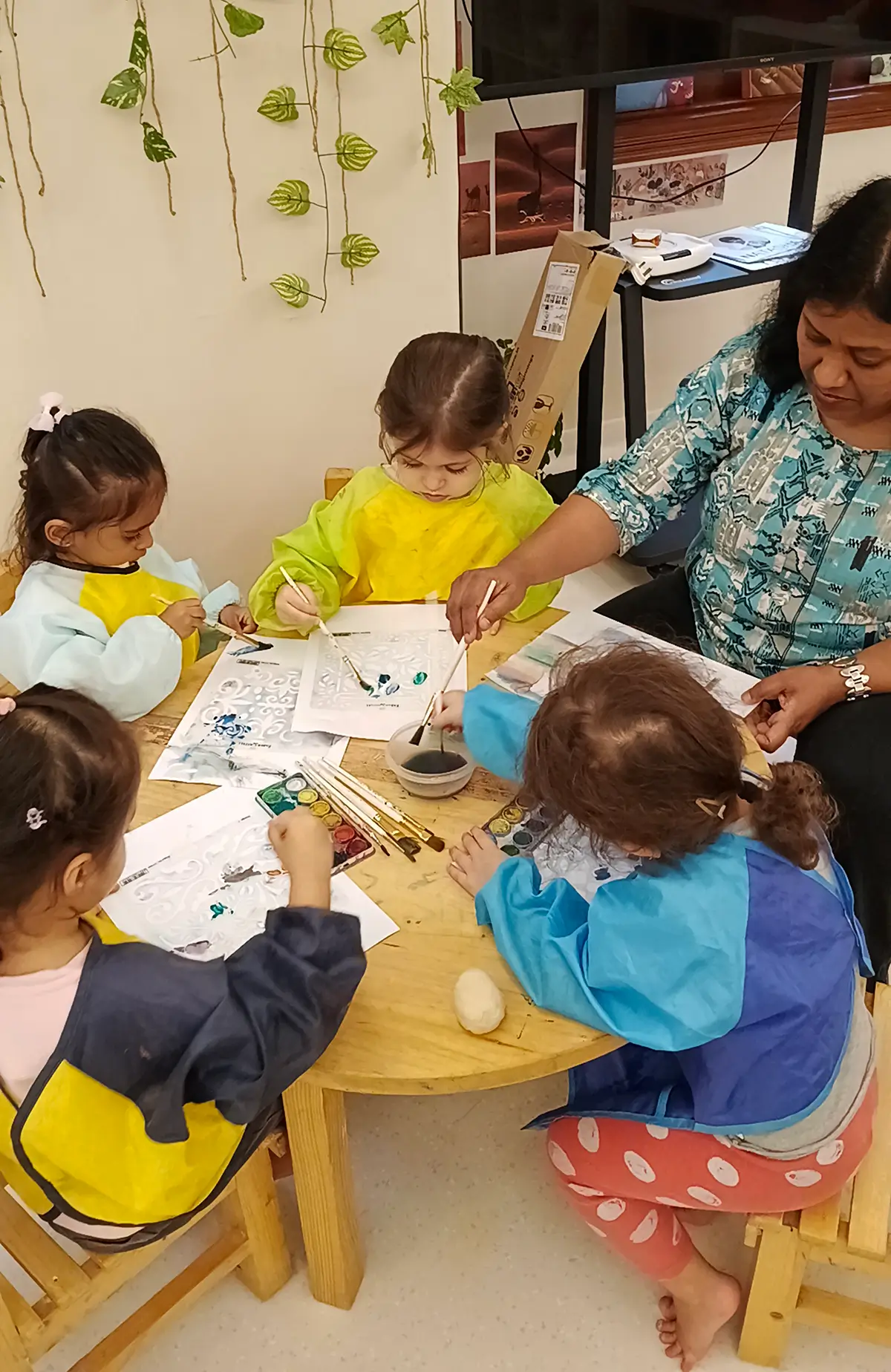
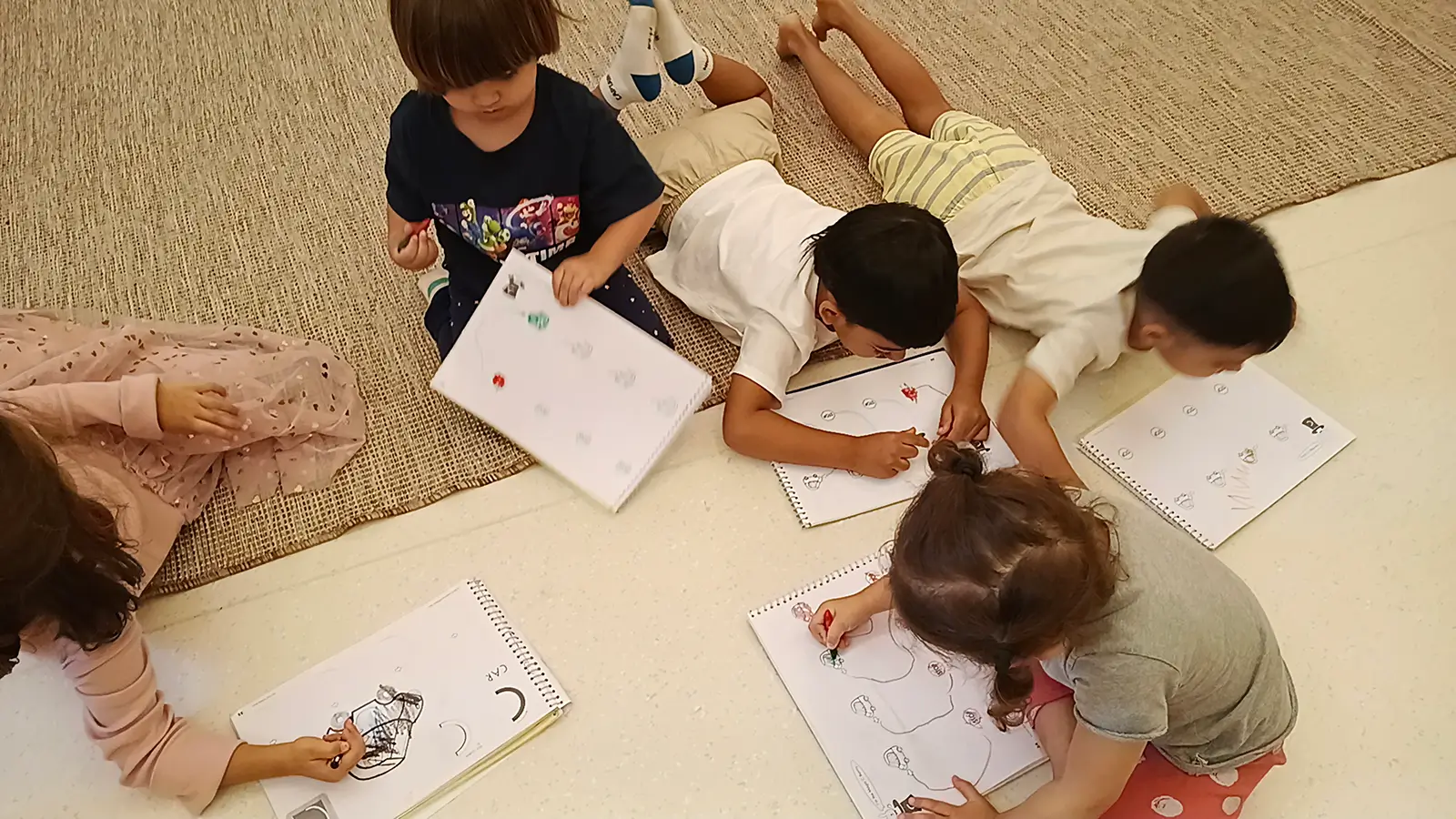
Reggio Emilia speaks of the “Hundred Languages of Children”, the many ways children communicate their thinking through drawing, construction, movement, storytelling, dramatic play, music and countless other forms of expression.
Facilitators recognise and value these different languages.
Rather than asking children to produce identical outcomes, they encourage them to represent their ideas in ways that are meaningful to them. In doing so, children learn that there is rarely only one correct answer.
This flexibility of thinking becomes the foundation of innovation later in life.
Collaboration Is Learned Through Experience
Working well with others is not a skill that suddenly appears in adulthood. It begins in early childhood.
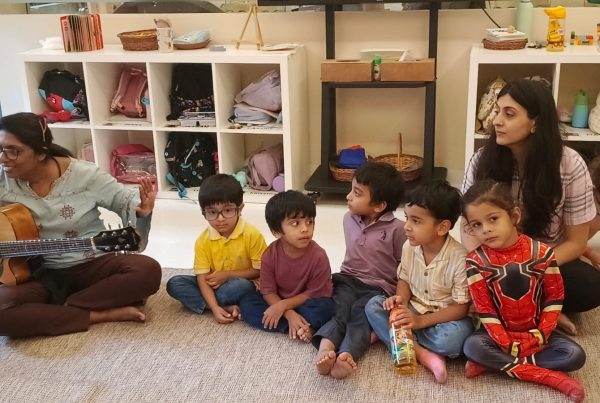
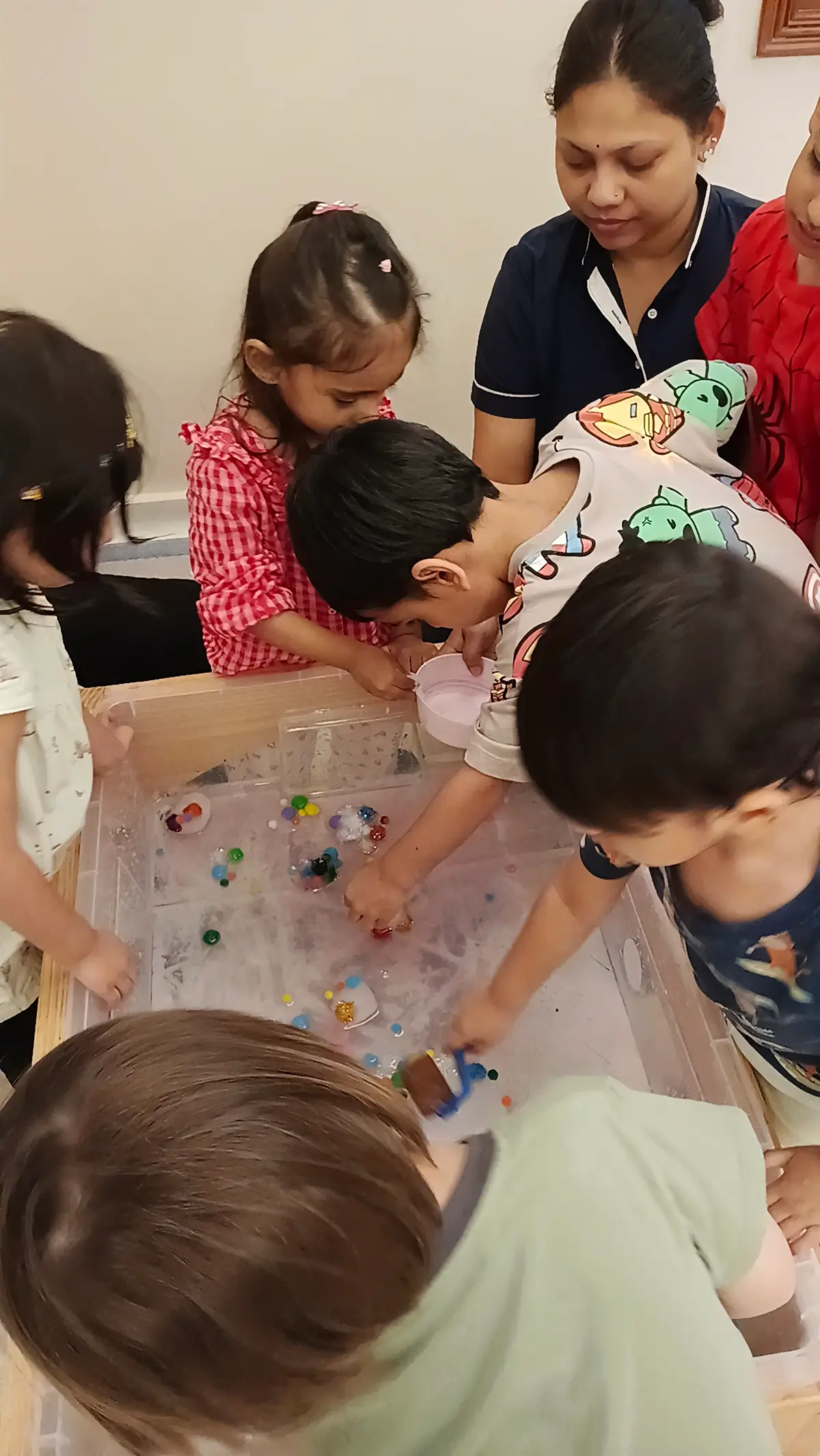
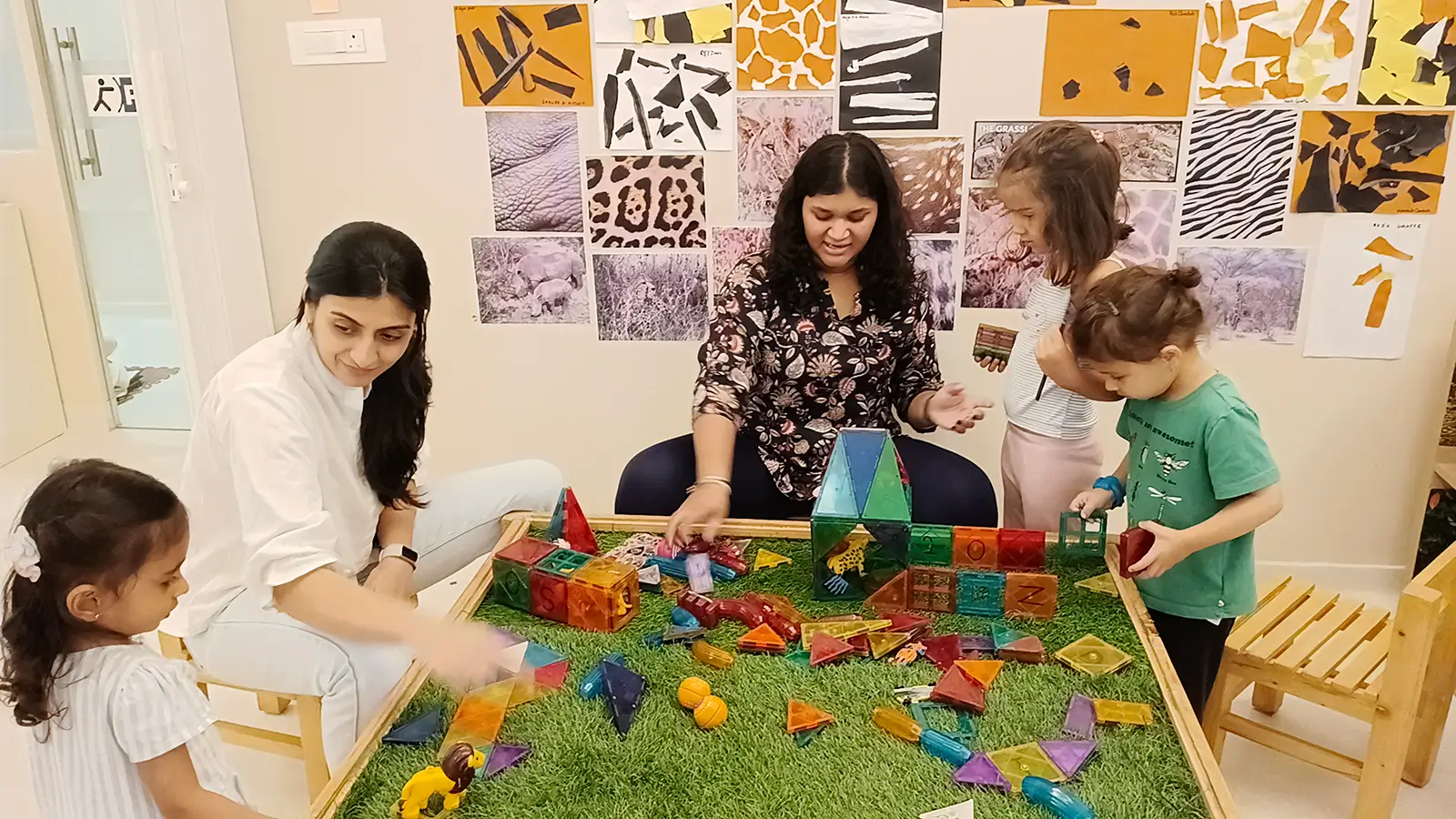
Throughout the day, children negotiate roles, share materials, solve disagreements, listen to different viewpoints and work towards shared goals.
These moments are not interruptions to learning. They are learning.
Facilitators carefully observe these interactions, stepping in when needed to support respectful communication while allowing children to develop empathy, patience and confidence in working with others.
Over time, children begin to see themselves as valued members of a learning community where every voice contributes something worthwhile.
What Collaboration Looks Like at Three, and at Five
Collaboration does not arrive fully formed. In our Parent Toddler Program, it often begins as parallel play — two children working side by side on the same material, watching each other more than talking. That watching is the first step.
By Preschool B, the same children are assigning roles, defending a plan, and changing it when someone offers a better one. The facilitator’s job shifts accordingly: from protecting the space, to holding the conversation open.
Building Executive Function Through Everyday Experiences
Executive functioning refers to the mental skills that help us plan, organise, focus attention, remember information and regulate our behaviour. These skills underpin almost everything children will do as they grow.
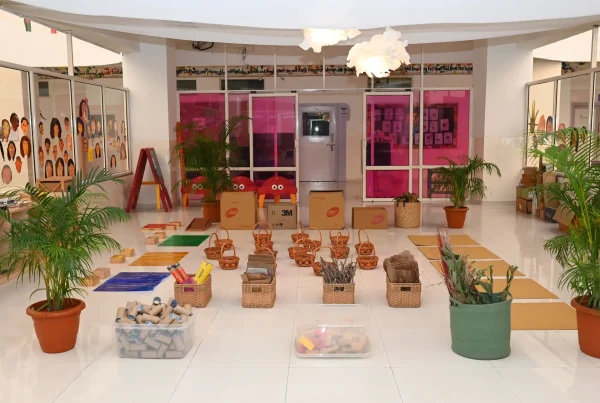
Rather than teaching executive functioning through isolated exercises, Reggio Emilia-inspired environments develop these abilities naturally.
Children plan how to build a structure before gathering materials. They adjust their strategy when something does not work. They return to projects over several days, remembering previous ideas and extending them further. They learn to manage frustration, wait their turn and persist through challenges.
Facilitators intentionally create environments where children can practise these skills every day, offering support when needed while gradually encouraging greater independence.
Preparing Children for a Changing World
Perhaps the most valuable skill children develop is adaptability.
In a world where change is constant, the ability to ask questions, seek solutions and remain open to new ideas is invaluable.
Because facilitators respond to children’s emerging interests rather than following a rigid script, children become comfortable with uncertainty. They learn that changing your mind after discovering new information is a strength, not a weakness.
Learning becomes a continuous journey of exploration rather than the pursuit of perfect answers. This mindset lays the foundation for lifelong learning.
Why Facilitators Love This Way of Working
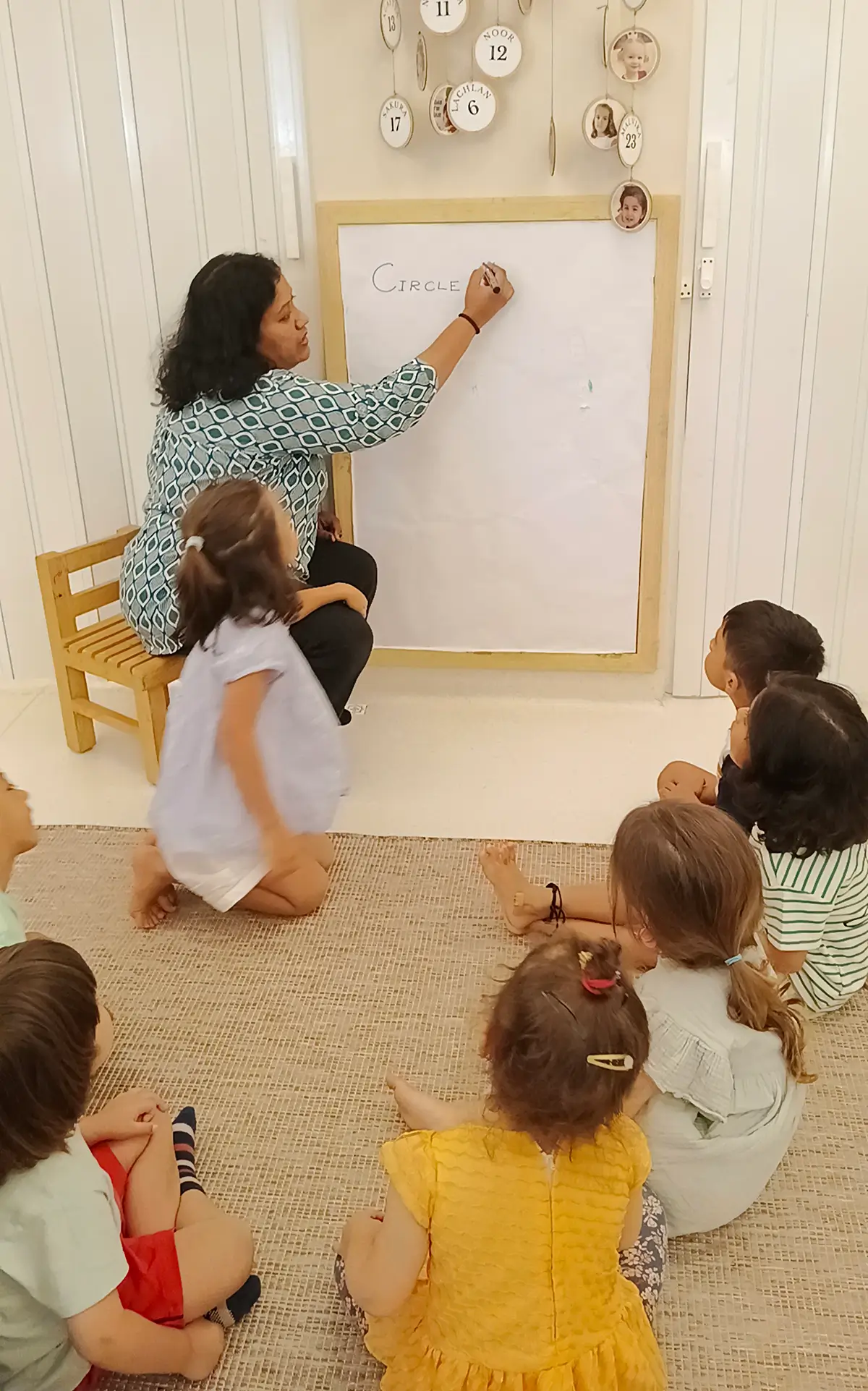
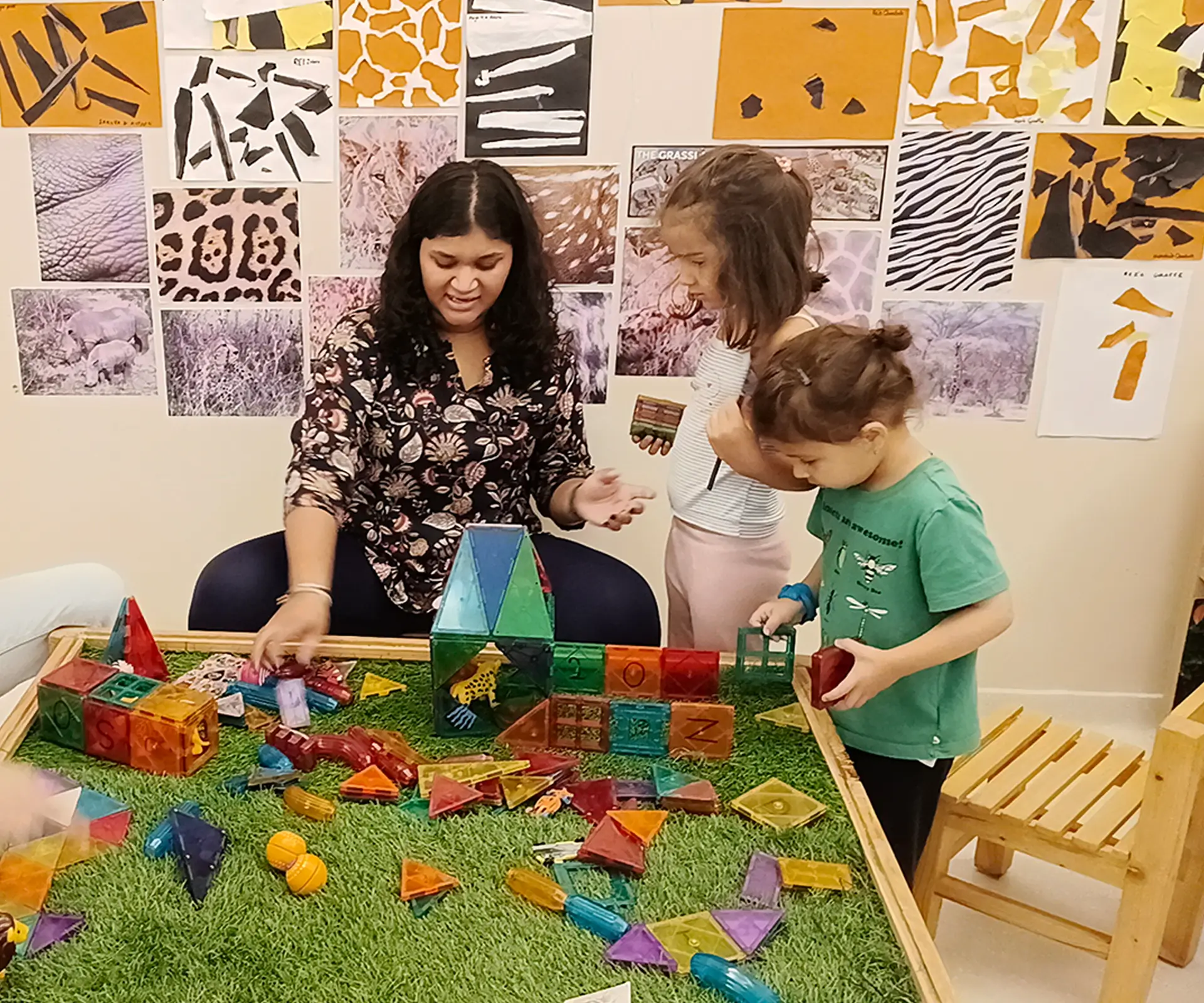
Facilitating in the Reggio Emilia way transforms not only children’s learning but also the experience of teaching.
Many educators describe it as rediscovering why they entered the profession in the first place.
Instead of delivering the same lesson year after year, facilitators become researchers alongside children. Every day presents new questions, unexpected discoveries and opportunities to learn.
The role is intellectually stimulating, deeply collaborative and constantly evolving.
Facilitators are encouraged to reflect, discuss ideas with colleagues and continually refine their practice. They are trusted to make professional decisions based on careful observation rather than simply following a programme.
This culture of curiosity extends to adults as much as it does to children. Learning never stops.
Growing Together
At its heart, facilitating in the Reggio Emilia way is built on a simple but powerful belief: children are capable, competent and full of potential.
When facilitators listen carefully, observe thoughtfully and respond intentionally, they create environments where children develop far more than academic knowledge.
They learn to think critically, communicate confidently, collaborate respectfully and approach challenges with creativity and resilience.
Perhaps most importantly, they develop a genuine love of learning that stays with them long after they leave preschool.
For facilitators, being part of that journey is both a privilege and a continual source of inspiration. Every question asked, every theory explored and every moment of discovery reminds us that learning is not something we deliver to children; it is something we experience alongside them.
Frequently Asked Questions
What are 21st-century skills in early childhood education?
They are the abilities that matter most in a changing world: creativity, collaboration, communication, critical thinking, problem-solving and adaptability. They are not developed through worksheets or by being given the right answers. They are built through meaningful experiences, thoughtful conversations and opportunities to investigate real questions.
How does the Reggio Emilia approach build critical thinking?
Facilitators pose open-ended questions instead of providing immediate answers, so children form theories, test their ideas and revise their thinking as they encounter new experiences. A group investigating shadows may wonder why they change through the day. The facilitator resists solving the problem too quickly, and instead encourages children to predict, experiment, reflect and try again.
Is creativity only about art?
No. Creativity is the ability to imagine possibilities, approach problems from different perspectives and express ideas in multiple ways. Reggio Emilia speaks of the Hundred Languages of Children — drawing, construction, movement, storytelling, dramatic play, music and many other forms of expression. Facilitators value all of them, so children learn that there is rarely only one correct answer.
How do preschoolers learn to collaborate?
Through experience, every day. Children negotiate roles, share materials, solve disagreements, listen to different viewpoints and work towards shared goals. These moments are not interruptions to learning — they are the learning. Facilitators observe closely, stepping in when needed to support respectful communication while allowing children to develop empathy, patience and confidence.
What is executive function, and how is it developed at preschool?
Executive functioning refers to the mental skills that help us plan, organise, focus attention, remember information and regulate our behaviour. Rather than teaching it through isolated exercises, Reggio Emilia-inspired environments build it naturally: children plan a structure before gathering materials, adjust strategy when something fails, return to projects across several days, and learn to manage frustration and persist.
How does this approach prepare children for a changing world?
Because facilitators respond to children’s emerging interests rather than following a rigid script, children become comfortable with uncertainty. They learn that changing your mind after discovering new information is a strength, not a weakness. Learning becomes a continuous journey of exploration rather than a pursuit of perfect answers, and that mindset is the foundation of lifelong learning.
Can I train as a Reggio Emilia facilitator at Circles & Cycles?
Yes. We run Educator Workshops in Bandra West for educators, aspiring facilitators and anyone passionate about children’s learning, exploring Reggio Emilia principles in depth. For a more immersive experience, our internship programme offers the chance to observe our classrooms in action and work alongside experienced facilitators.
Why do educators enjoy facilitating this way?
Many educators describe it as rediscovering why they entered the profession. Instead of delivering the same lesson year after year, facilitators become researchers alongside children. They are trusted to make professional decisions based on careful observation rather than following a programme, and every day brings new questions and unexpected discoveries.