For a young child, there can be so much to say before there are enough words to say it.
Between 15 and 30 months, children are developing rapidly. They are becoming more independent, forming relationships, discovering their preferences and beginning to understand the world around them. At the same time, their language and ability to regulate strong emotions are still developing.
Sometimes, what a child feels comes out through their body before it can come out through words. They may grab, push, hit, scratch or bite. These moments can be difficult for children, parents and facilitators alike. It is natural to focus on the behaviour because it is what we can immediately see.
However, at Circles & Cycles, we intentionally look beyond the behaviour.
We ask ourselves what the child might be communicating, what happened before the moment and what the child might need from the adults around them.
When the words are not there yet
Toddlers often understand far more than they are able to express. They may know what they want, recognise what another child is doing, feel frustrated when something does not go their way or want to join another child’s play. Yet they may not have the words or the impulse control to communicate all of this.
Their emotions can move very quickly.
A child may want a toy that another child is holding. They may want to join a game but not know how to enter it. They may be overwhelmed by noise, tiredness or a new experience. They may reach out to another child because they are trying to connect.
At this age, grabbing or biting can sometimes be part of sensory exploration too. Young children are still discovering their bodies, their boundaries and the effects of their actions. This does not mean that every physical action has the same reason behind it. This is why observation matters.
The Reggio Emilia approach asks adults to see children as competent, capable and full of potential, rather than viewing them simply through the behaviour of the moment. Gandini describes children as active participants in their own learning, with a strong interest in relationships and in constructing their own understanding of the world.
This changes the way we respond.
Instead of immediately asking, “How do I stop this behaviour?”, we can begin with, “What is this child trying to communicate?”
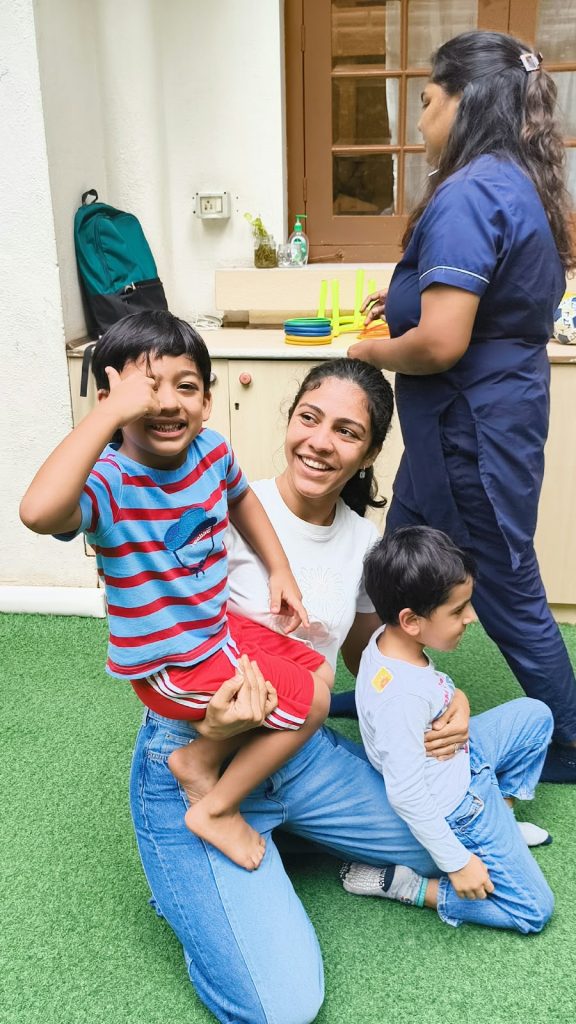
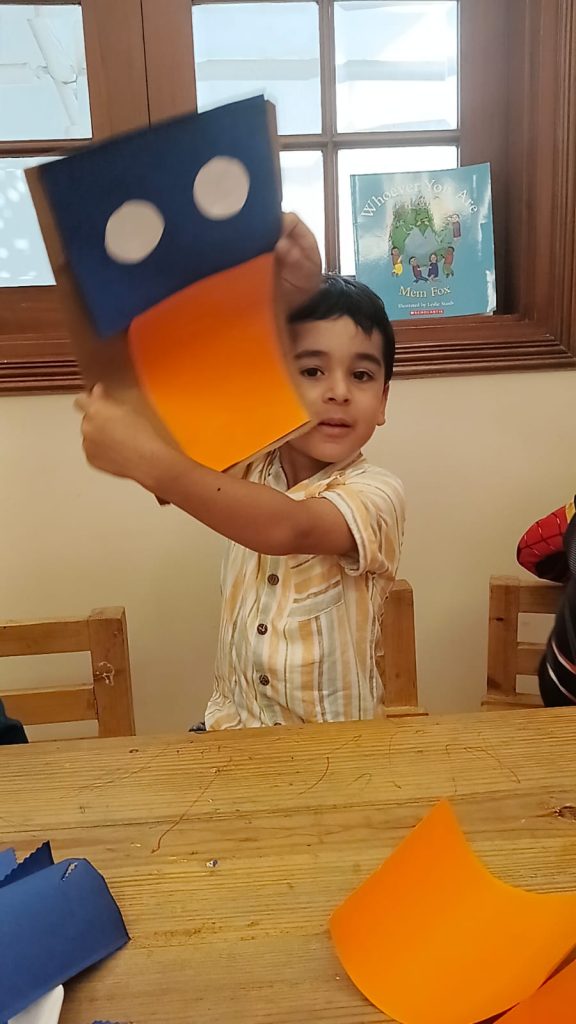
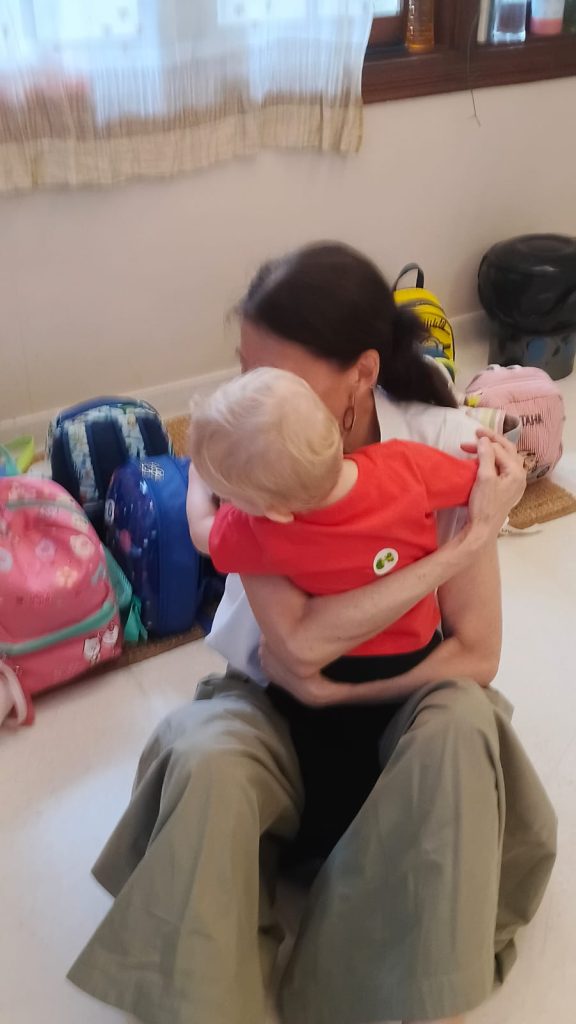
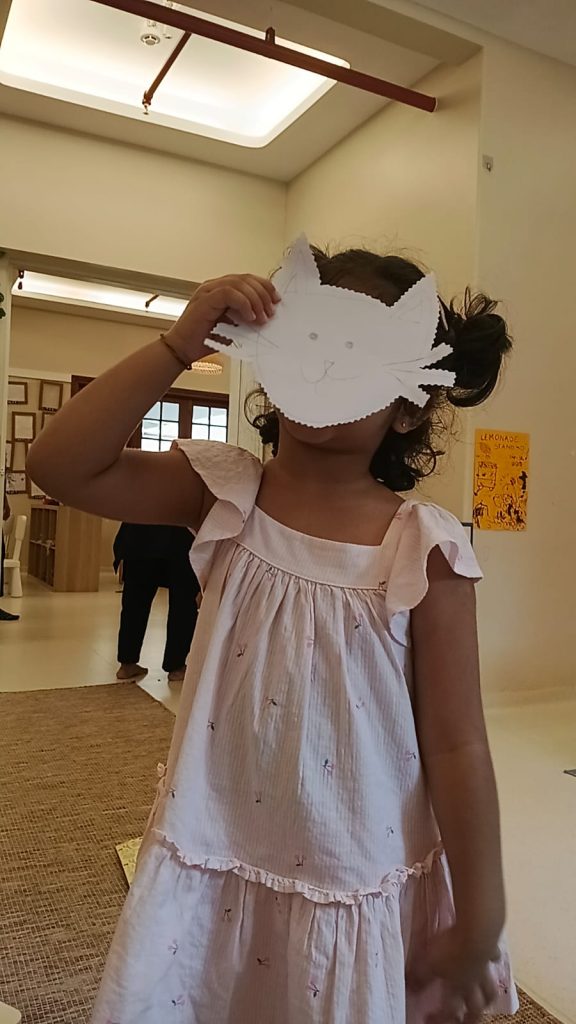
The many firsts of Preschool A, our programme for toddlers aged 18 – 30 months
Starting school can bring many new experiences for a young child.
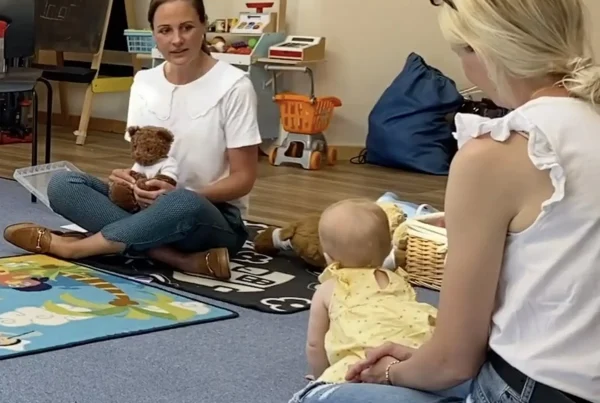
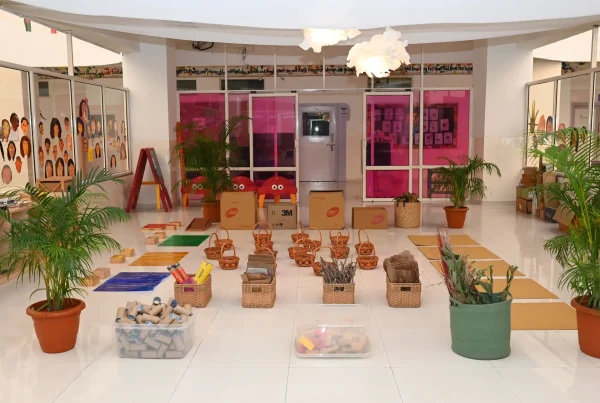
For some children, Preschool A is their first experience of being away from their parents. They are entering a new physical environment, meeting unfamiliar adults, being around other children and learning the rhythms of a school day.
There may be many firsts.
The first separation from a parent. The first time sharing space with a group of children. The first time navigating a conflict without a familiar adult immediately stepping in. The first time experiencing a new feeling in a new environment.
Angela Mee Lee, C&C’s pedagogista, describes this stage as a particularly unique time for children.
“It’s a very unique time for a child. There are a lot of firsts, and it takes a definite kind of Facilitator to be able to work with those challenges. Many of the children are non verbal, and a lot of them have never left their parents. For a Facilitator to be with Preschool A, you really do need to be outside the box, be very present with the way that we are with our values.”
This is why settling into school is not simply about getting a child accustomed to a timetable or a classroom.
It is about building a relationship.
A child needs to know that the adults around them see them, listen to them and can be trusted. Malaguzzi writes about the importance of observing children with full attention and recognising their experiences rather than making rapid judgements about them.
For a child who is still finding their words, this attentive presence becomes even more important.
The Hundred Languages and what comes before words
The Hundred Languages of Children is one of the ideas at the heart of the Reggio Emilia approach.
It reminds us that children have many ways of expressing their thinking, feelings, ideas and understandings. Language is not limited to spoken words. Children communicate through movement, drawing, materials, music, gesture, play, facial expression and many other forms.
Gandini describes children’s use of different media as an integral part of their cognitive and symbolic expression and their process of learning.
But it is important to make a distinction here.
Biting, scratching or hitting are not themselves being presented as one of the Hundred Languages.
Rather, the Hundred Languages reminds us that children communicate and make meaning in many ways, particularly when spoken language is still emerging. A physical action may therefore give us something to notice and understand. It can tell us that there is something happening for the child, even when we do not yet know exactly what that something is.
Our role as adults is to become curious about it.
This does not mean accepting behaviour that hurts another child. It means holding two things together at the same time: the child’s feelings and needs matter, and other children have a right to feel safe.
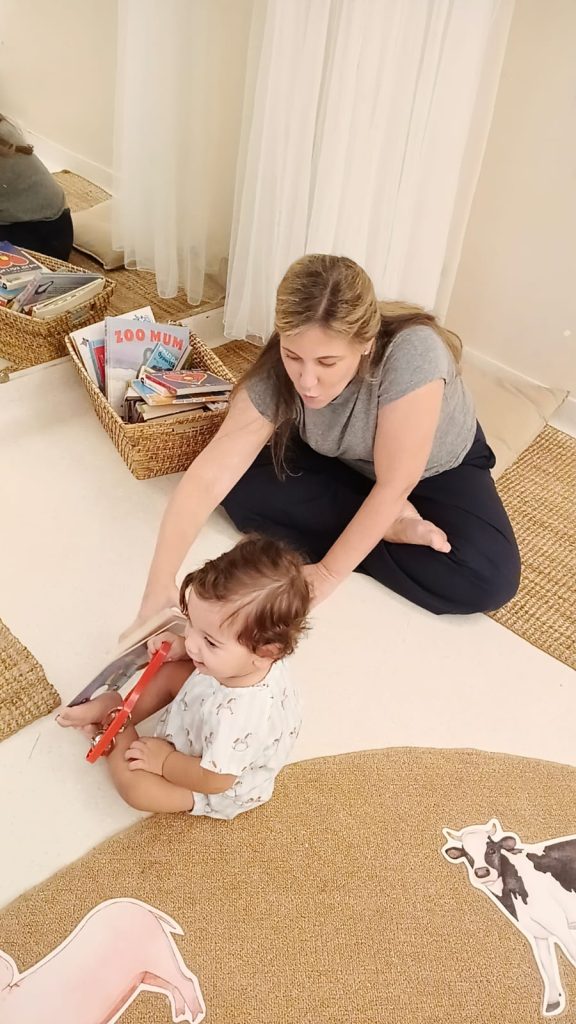
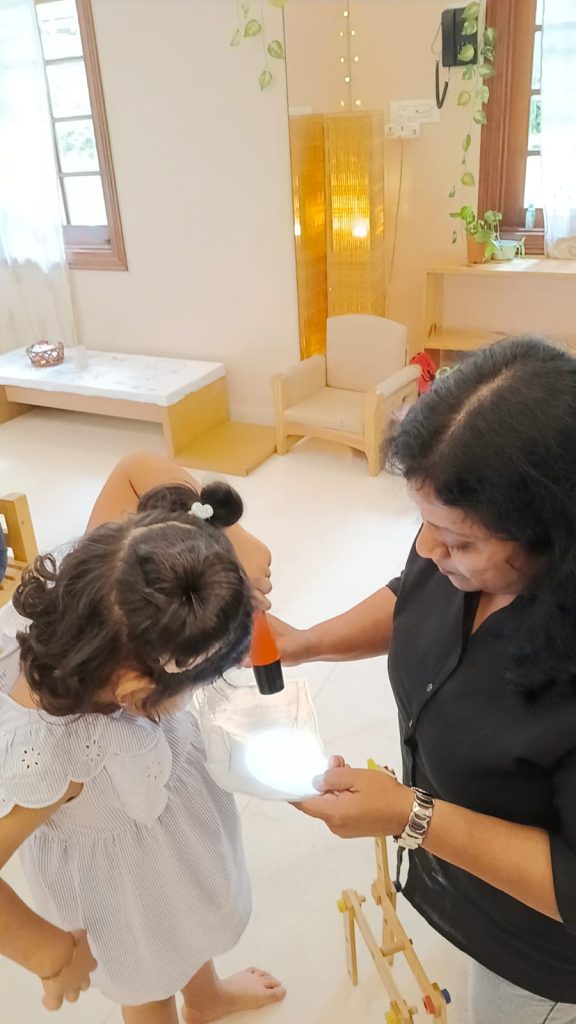
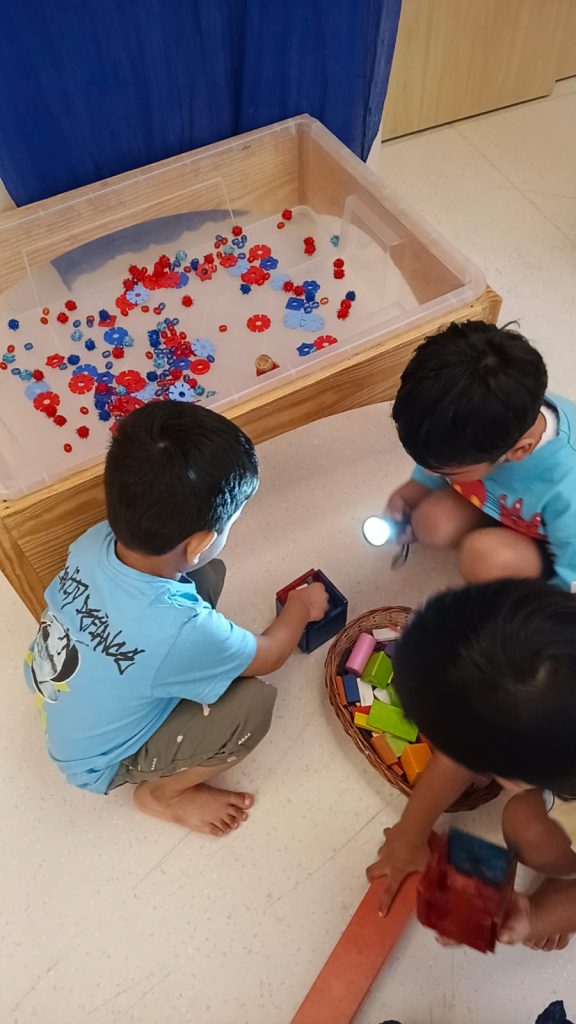
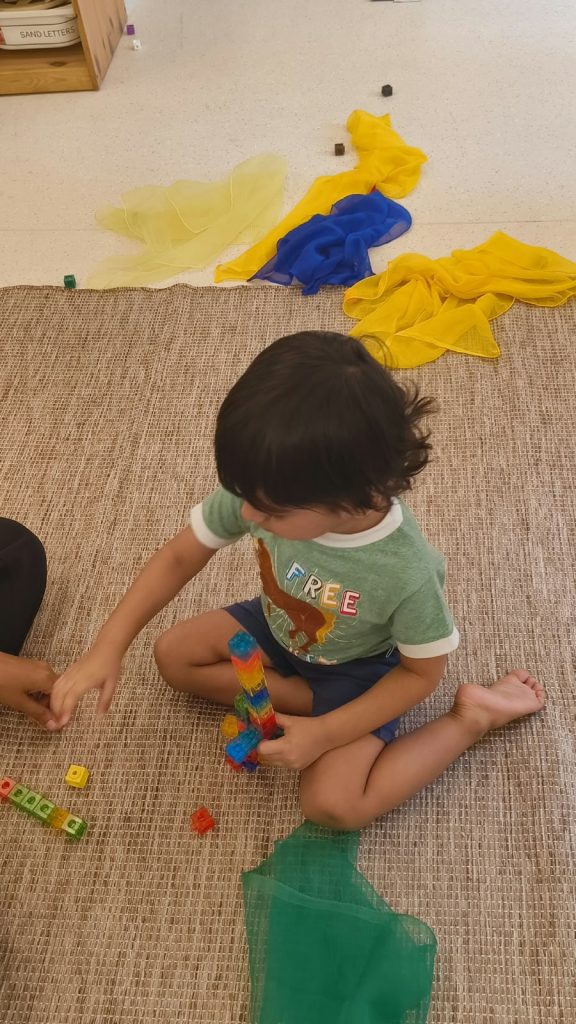
How we respond at C&C
When a child grabs, pushes, scratches or bites, our first responsibility is to keep everyone safe.
We respond calmly and clearly. We do not shame the child or label them as aggressive or naughty. Instead, we acknowledge the boundary and show the child what they can do instead.
At C&C, one phrase we use is:
“Use gentle hands.”
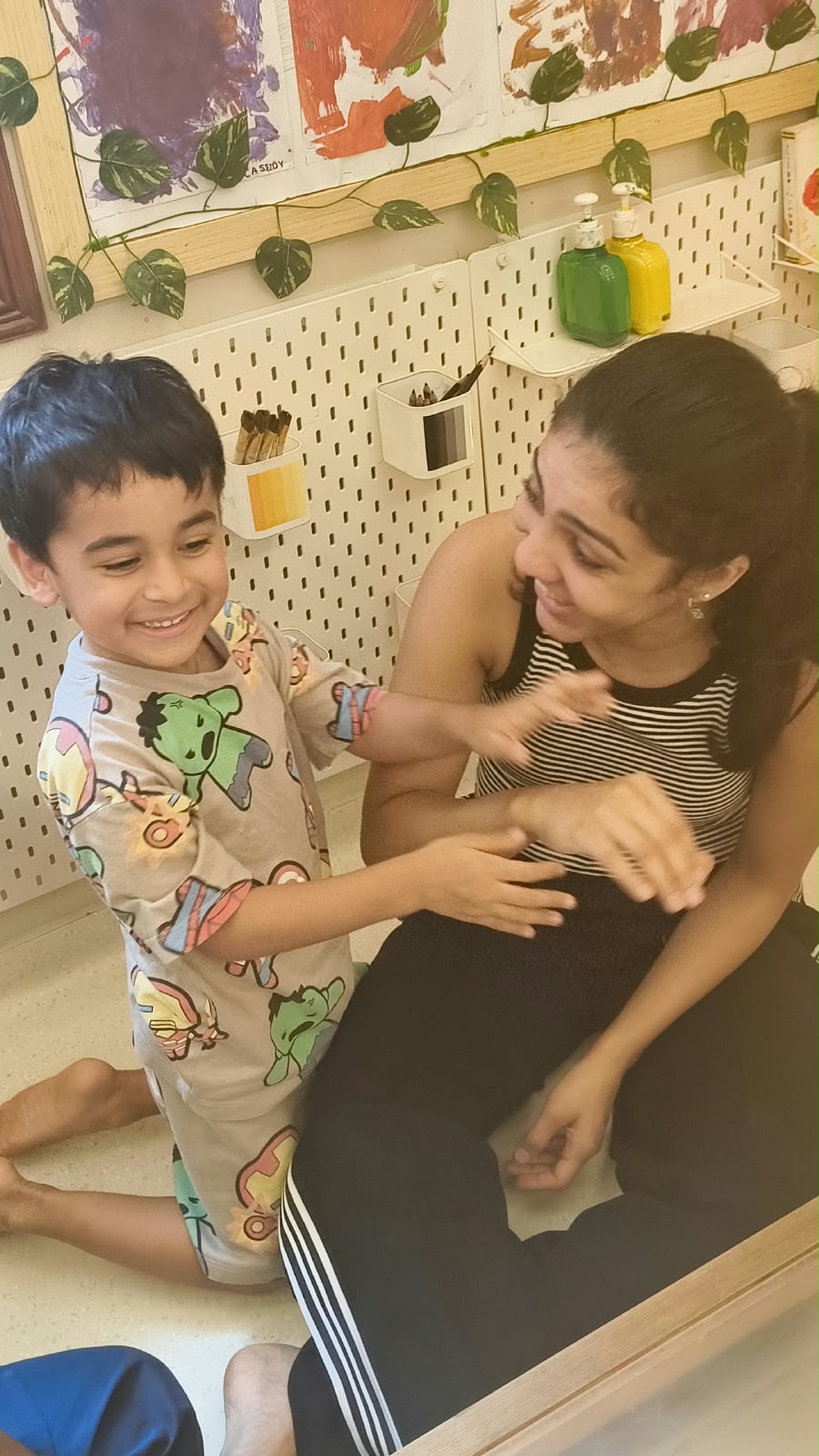
Rather than repeatedly saying “Don’t hit” or “Don’t grab”, we tell the child what we want them to do. This is known as positive language. When appropriate, a facilitator may gently take the child’s hand and guide it in a soft movement, showing them what gentle touch feels like.
This physical guidance is important for very young children because they are still learning through their bodies. We are not simply telling them a rule. We are helping them experience what the boundary means.
We also follow through consistently.
Every time a physical boundary is crossed, the response remains calm, predictable and reassuring. Over time, this consistency helps children begin to develop the self regulation that they cannot yet fully manage independently.
Gandini describes the Reggio educator as someone who observes and listens in order to understand how to proceed, rather than simply following a predetermined response.
So we also look at what happened before the grab, push or bite.
Was the child tired?
Were they trying to join another child?
Were they frustrated because they could not communicate what they wanted?
Was the environment particularly busy?
Was there a transition?
Were they seeking connection?
There may not always be an immediate answer. Observation is an ongoing process. It helps us understand patterns over time and allows our response to be intentional rather than reactive.
What parents can do at home
Physical behaviour can be challenging to manage at home, particularly when another child is involved.
The first step is to remain calm and establish the boundary clearly.
You might say:
“I won’t let you bite. Biting hurts. Use gentle hands.”
Then show them what you mean.
Take their hand gently and model touching softly. If they have grabbed another child because they want to play, you might help them find another way to approach the child. If they are reaching for a toy, you can put words to what they may be trying to communicate.
“You want the truck. Let’s ask for the truck.”
At this age, children need repetition. The same simple words, gestures and responses, offered consistently, help them gradually build an understanding of what is expected.
Angela’s suggested approach at C&C is simple:
- Use clear language such as “use gentle hands”.
- Gently guide the child’s hands so they experience safe touch.
- Follow up consistently so the boundary remains predictable.
It is also useful to notice what happens before the behaviour. Patterns can tell us a great deal about what a child may be finding difficult or what they may be trying to communicate.
If another child has been bitten or scratched, attend to the child who has been hurt first. Then calmly support the child who caused the injury. There is no need to shame or frighten them. A clear boundary, followed by connection and guidance, helps children learn without making them feel that they themselves are bad.
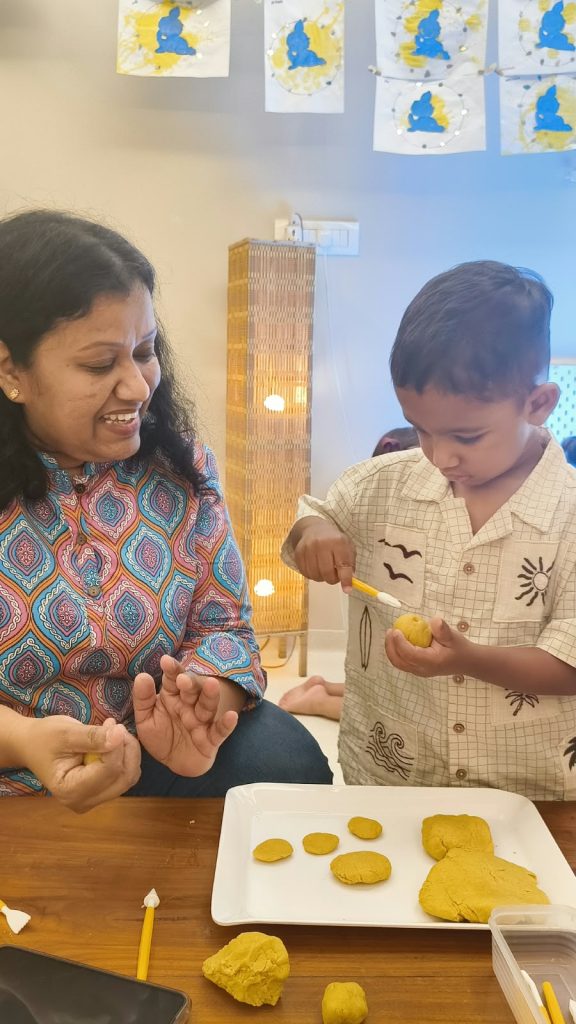
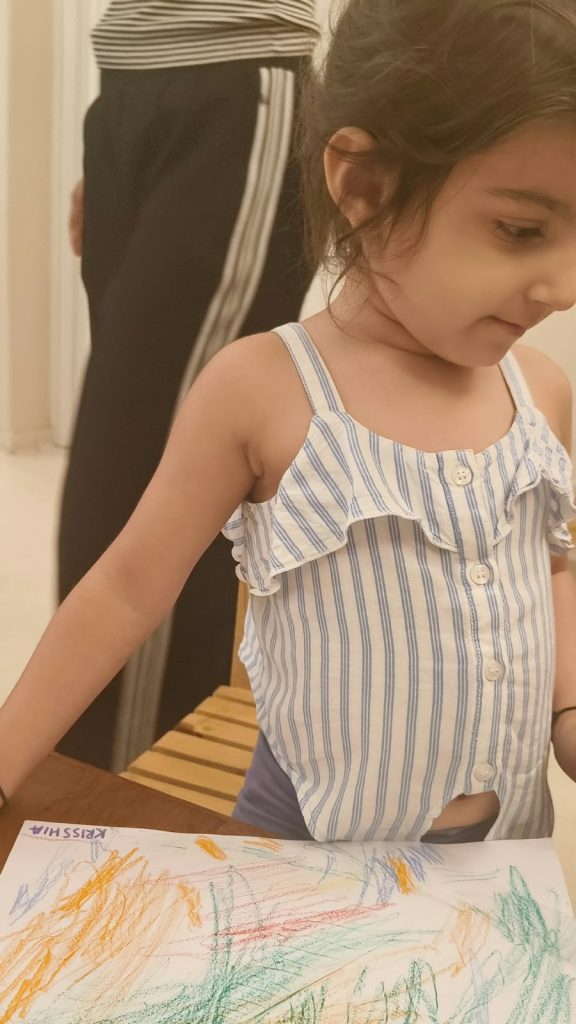
Seeing the child beyond the behaviour
A child who bites is not a “biting child”.
A child who grabs is not an “aggressive child”.
These are moments in a child’s development. They are moments that require adults to be present, observant and consistent.
Malaguzzi’s image of the child asks us to see children as strong, capable and full of potential. He reminds us that children need adults who respond to them and who recognise their strengths rather than seeing them primarily through a deficit or weakness.
This is particularly important when a child does something that challenges us.
We can hold a boundary without changing our image of the child.
We can say, “I won’t let you hurt your friend,” while also communicating, “I am here to help you.”
We can protect another child while continuing to care for the child who is struggling.
And we can remember that before a child has the words to tell us what they need, they may communicate through their body, their movement, their play and their relationships.
At C&C, this is where observation becomes so important.
We slow down enough to notice. We listen beyond words. We try to understand what each child is telling us and respond in ways that respect both the child and the community around them.
Because sometimes, before the words are there, the child is still communicating, and they may be trying to communicate something important.