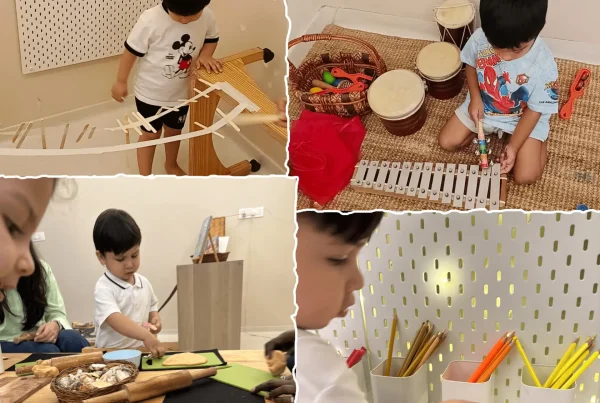
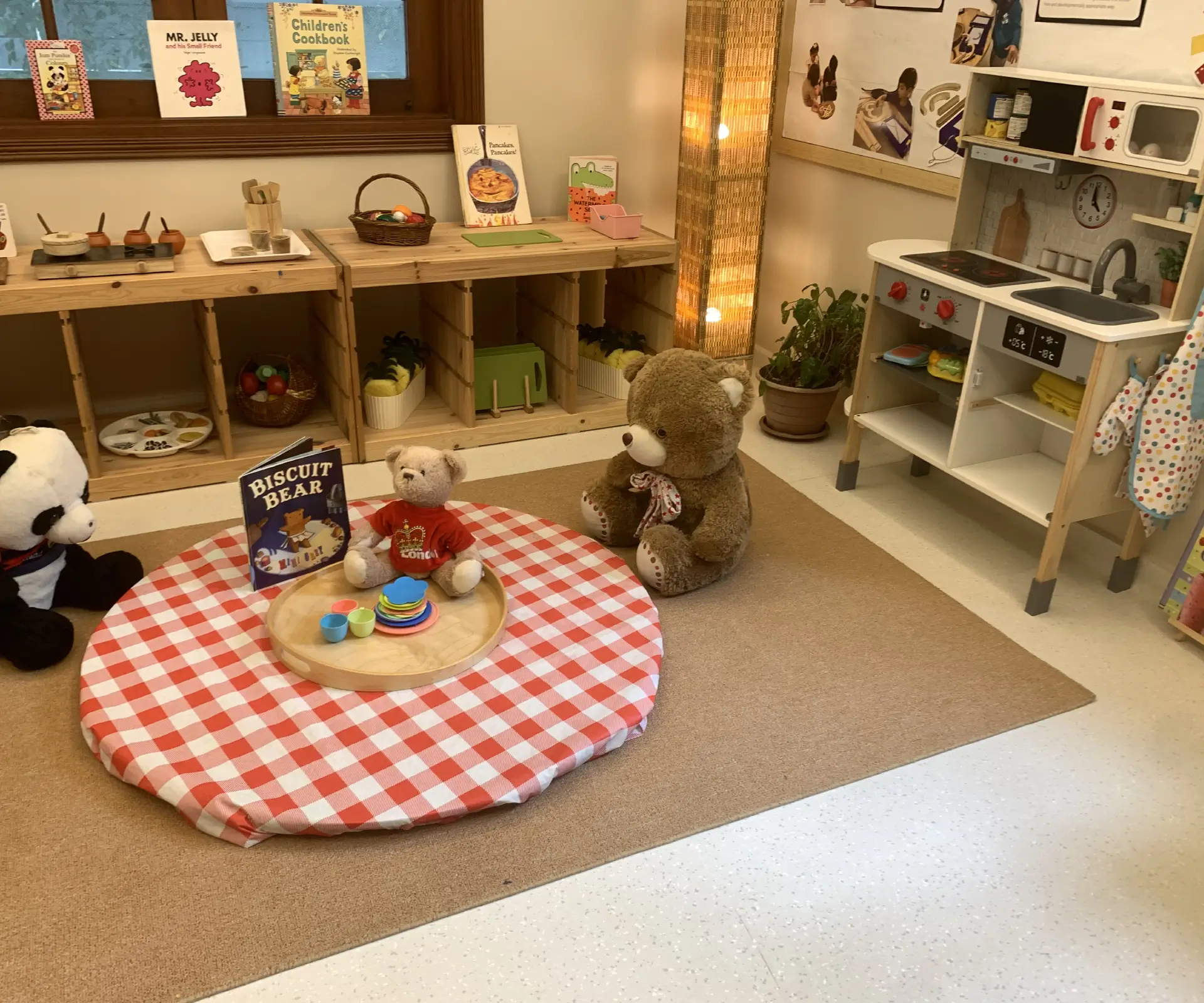
A preschool summer camp in Bandra doesn’t have to mean a break from learning. At Circles & Cycles, our May 2026 Summer Camp is a five-week, STEM-and-story exploration built around one question — “What moves?” — where children investigate motion by experiencing, testing and revisiting it, so summer deepens learning instead of pausing it.
Many people see summer camps as a time to relax, unwind and step away from routine. But in the early years, learning doesn’t switch off. Children are constantly observing, questioning, testing and making sense of the world. The real question isn’t whether learning continues in summer — it’s what kind of learning we offer. A thoughtfully designed camp can prevent learning loss, not by replicating school, but by creating richer, more meaningful opportunities for children to think, explore and express.
Moving Beyond “Keeping Children Busy”
Our camp is anchored by a simple but profound question: What moves? This becomes a five-week investigation into motion — not a concept to be taught, but something to experience, test and revisit. Because in the early years, STEM and literacy are deeply connected.
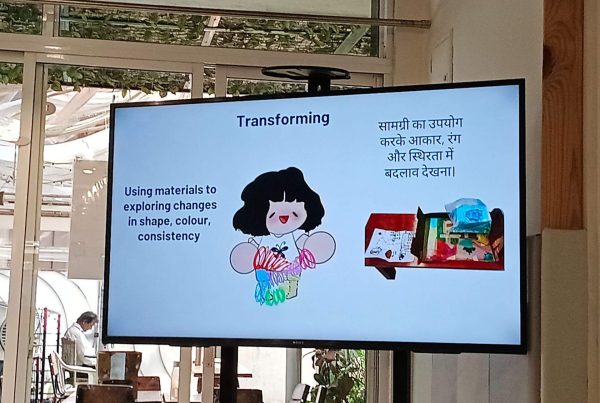
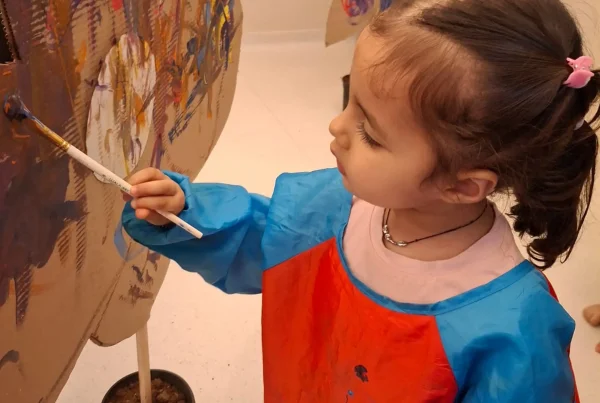
When children explore movement, they are also speaking and listening, drawing and representing ideas, building and revising theories, and telling stories from real experiences. They aren’t just learning science — they’re using multiple languages to make meaning. As the Reggio Emilia approach reminds us, children are active constructors of knowledge, constantly engaging with the world and forming their own understandings.
What parents can do: when your child says “look what I made move!”, resist the urge to correct it. Ask “what did you do to make that happen?” — you’re inviting them to put a theory into words.
Why Summer Camps Like This Matter
1. They prevent learning loss by deepening learning
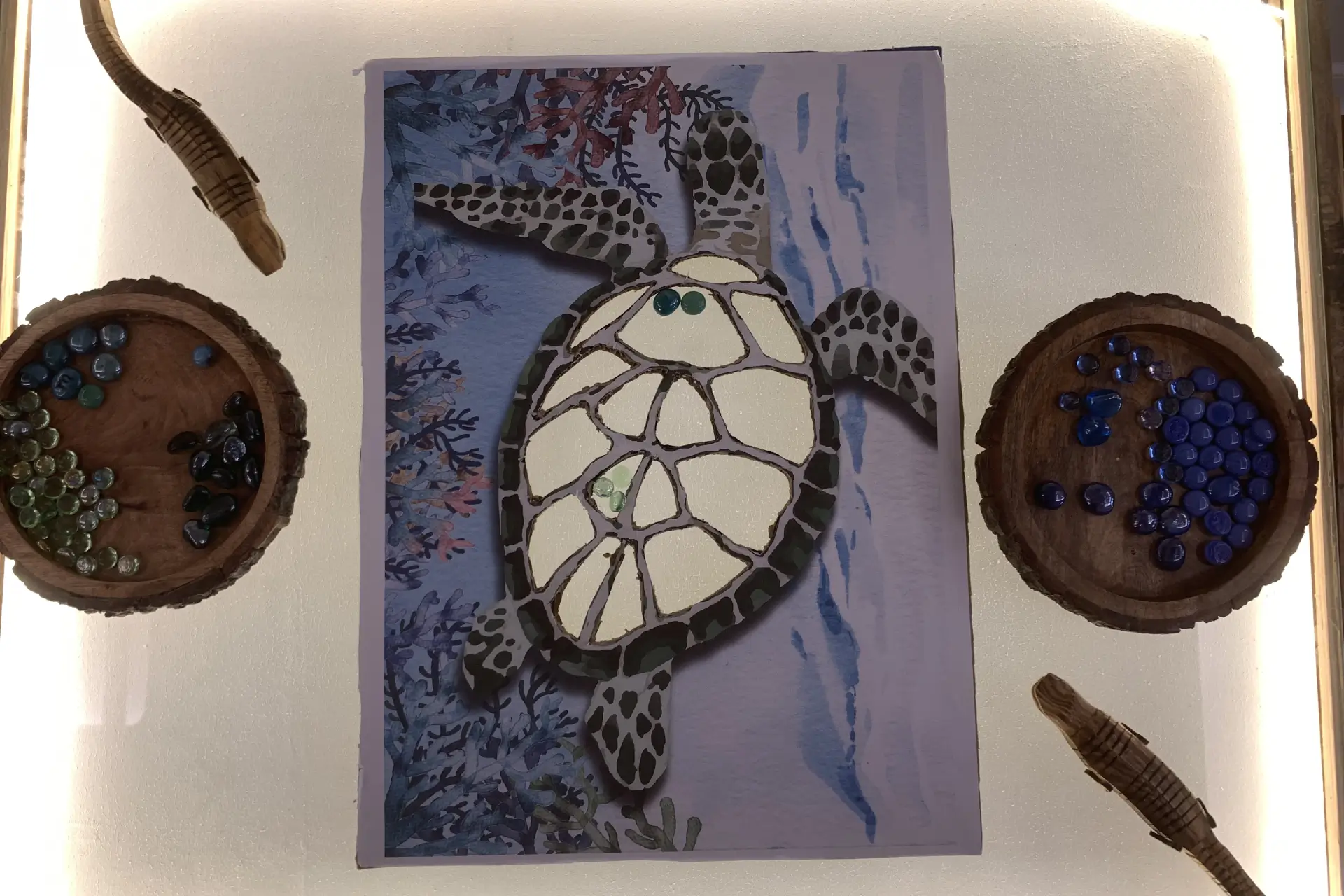
Learning in early childhood isn’t about memorising facts. It’s a spiral process — children revisit ideas again and again, each time building deeper understanding. Camps grounded in exploration let children return to the same ideas across days and weeks, test new theories and refine their thinking. This kind of repetition isn’t redundancy; it’s how learning strengthens. Without these opportunities, children risk losing not just information, but momentum in their thinking. (We wrote more on this in why repetition is essential in early childhood learning.)
2. They give children time to think
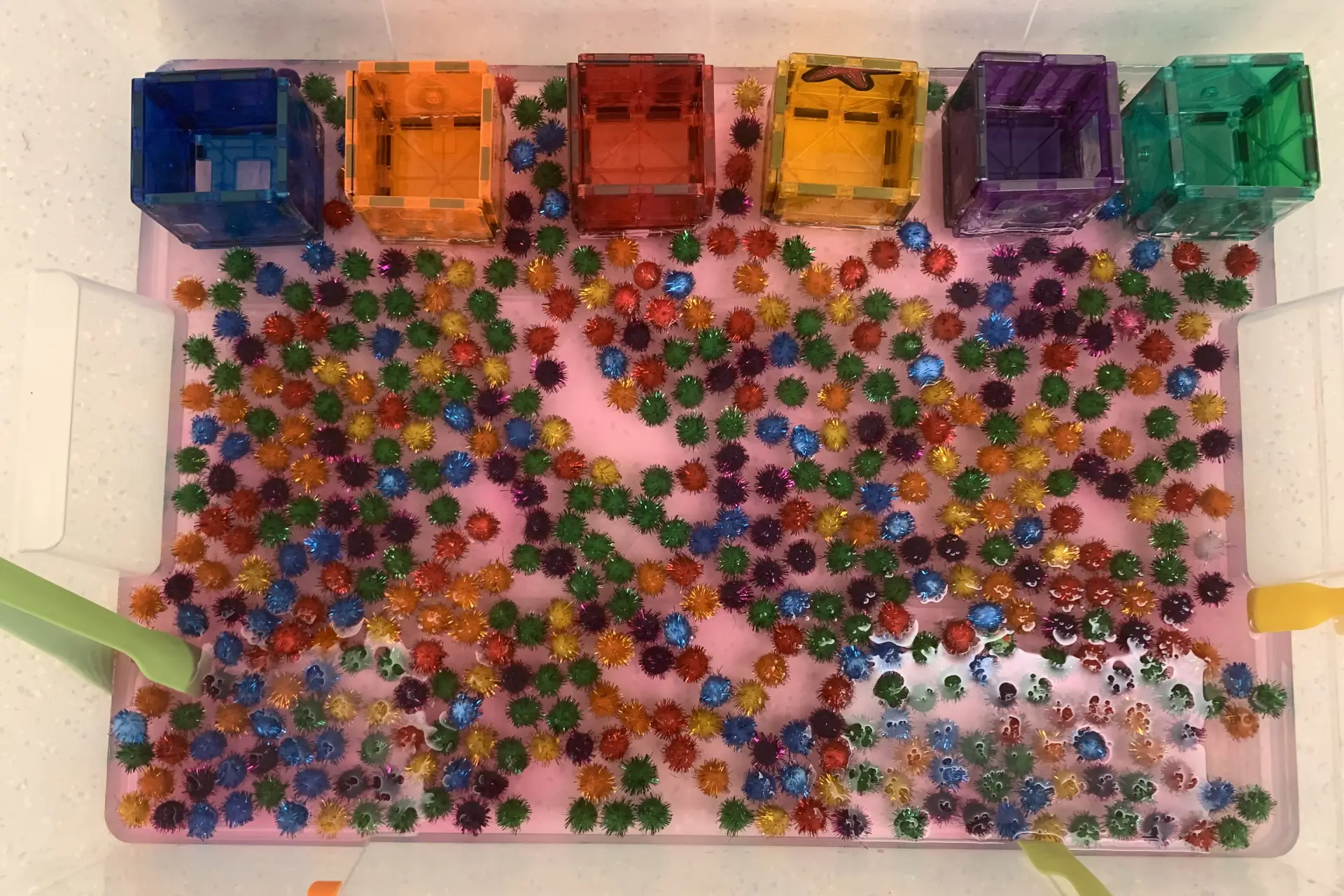
During the school year, time is often structured and compressed. Summer offers something rare: time to linger — to stay with a question, try multiple approaches, and experience failure and revision. Because meaningful learning needs experiences to be revisited and reflected on over time, these slower rhythms are essential for deep understanding.
What parents can do: protect a little unstructured time at home too. Boredom is often where the best thinking begins.
3. They position children as researchers
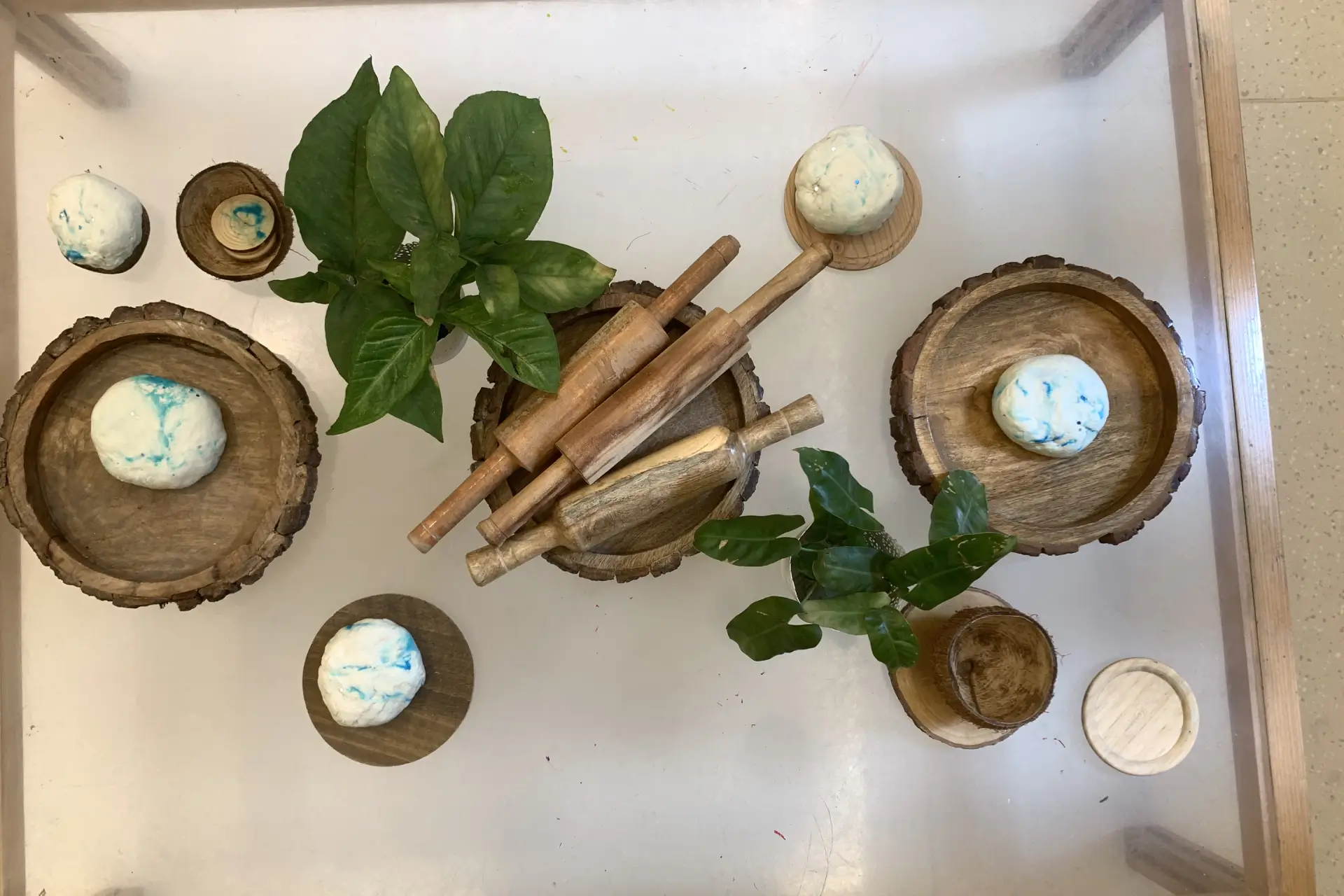
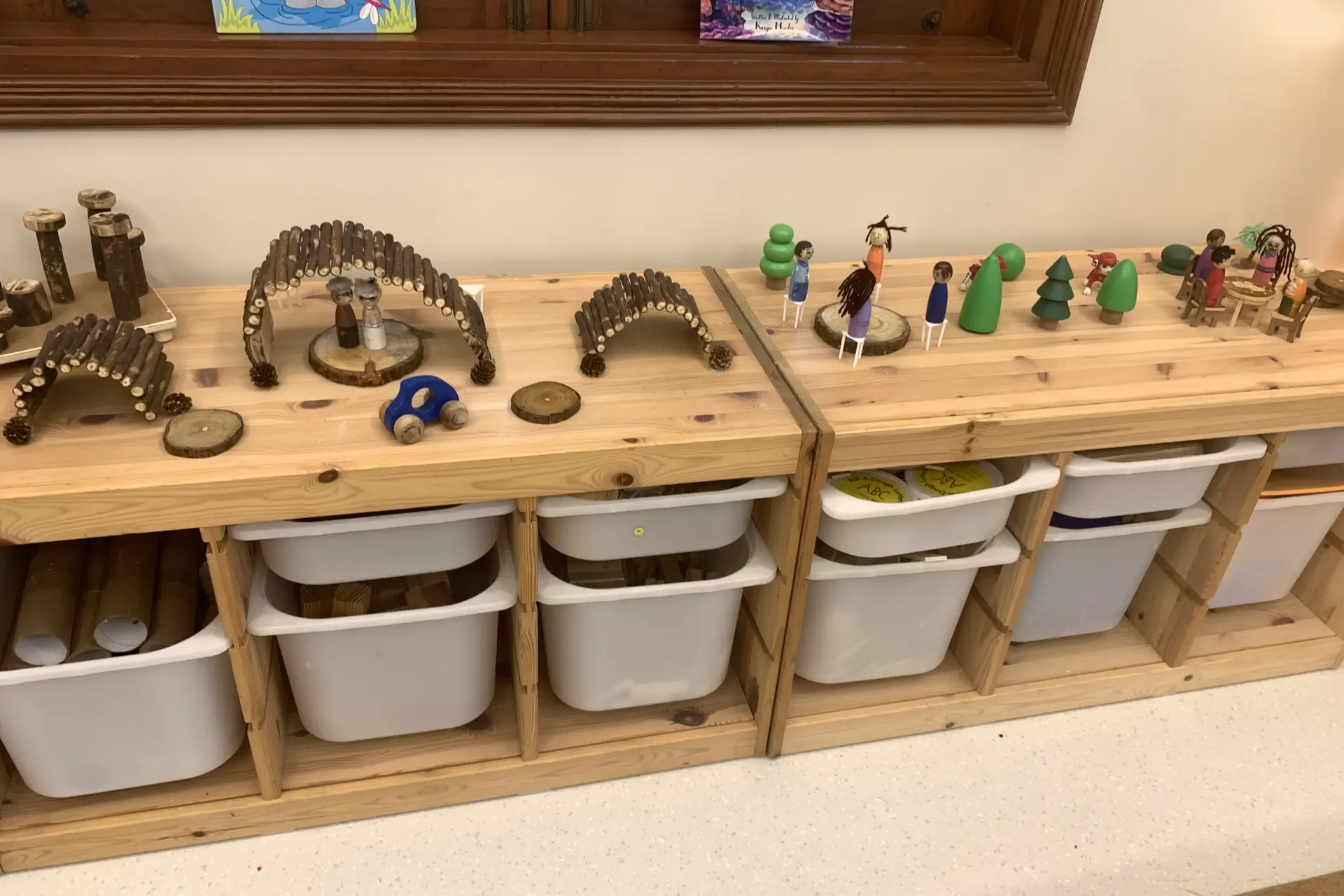
In this camp, books aren’t used to “teach” concepts — they’re used to provoke thinking. Each week, a carefully chosen text opens a new doorway into movement, inviting children to question, investigate and construct their own explanations. This reflects a key idea in early-childhood pedagogy: learning happens most powerfully when environments and materials are designed to spark curiosity and exploration.
A Closer Look: The “What Moves?” Journey
Each week builds on the last, letting children revisit and expand their understanding of motion.
Week 1 — Push, pull and getting stuck
Sheep in a Jeep introduces motion through humour and rhythm. Children explore what makes something move — or stop, how pushing and pulling changes outcomes, and cause and effect through real experiences. The week is rich in storytelling, re-enactment and collaborative thinking.
Week 2 — Invisible forces
Gravity stretches children’s thinking beyond what they can see. They begin to ask: what makes things fall? Can something move without being touched? Here children move into abstract thinking, building theories about forces they can’t directly observe.
Week 3 — Balance and instability
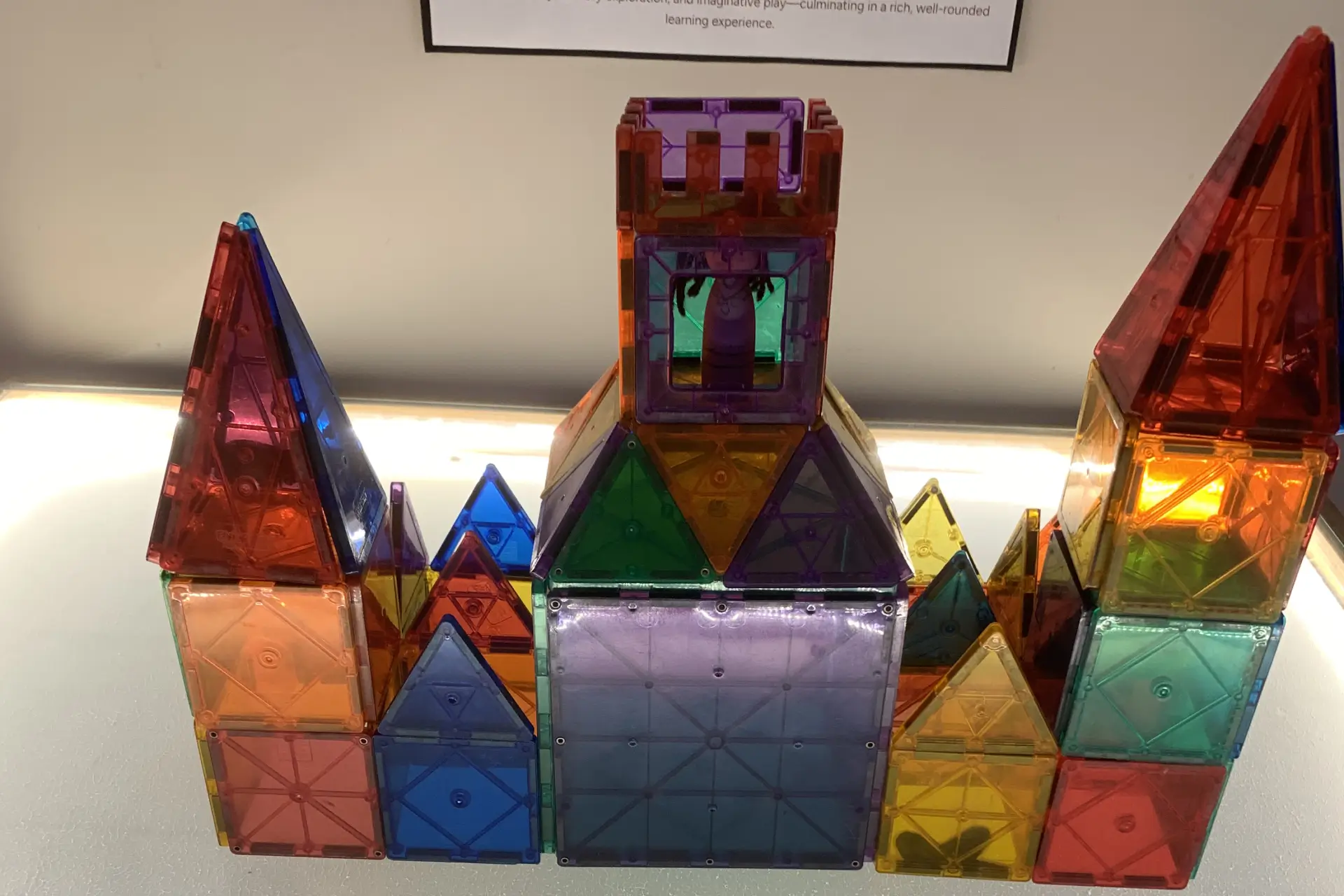
Balancing Act shifts the focus to stillness within movement. Children investigate what keeps something stable, why structures fall, and how small changes affect outcomes — a week full of testing, redesigning and problem-solving.
More Than STEM — A Way of Thinking
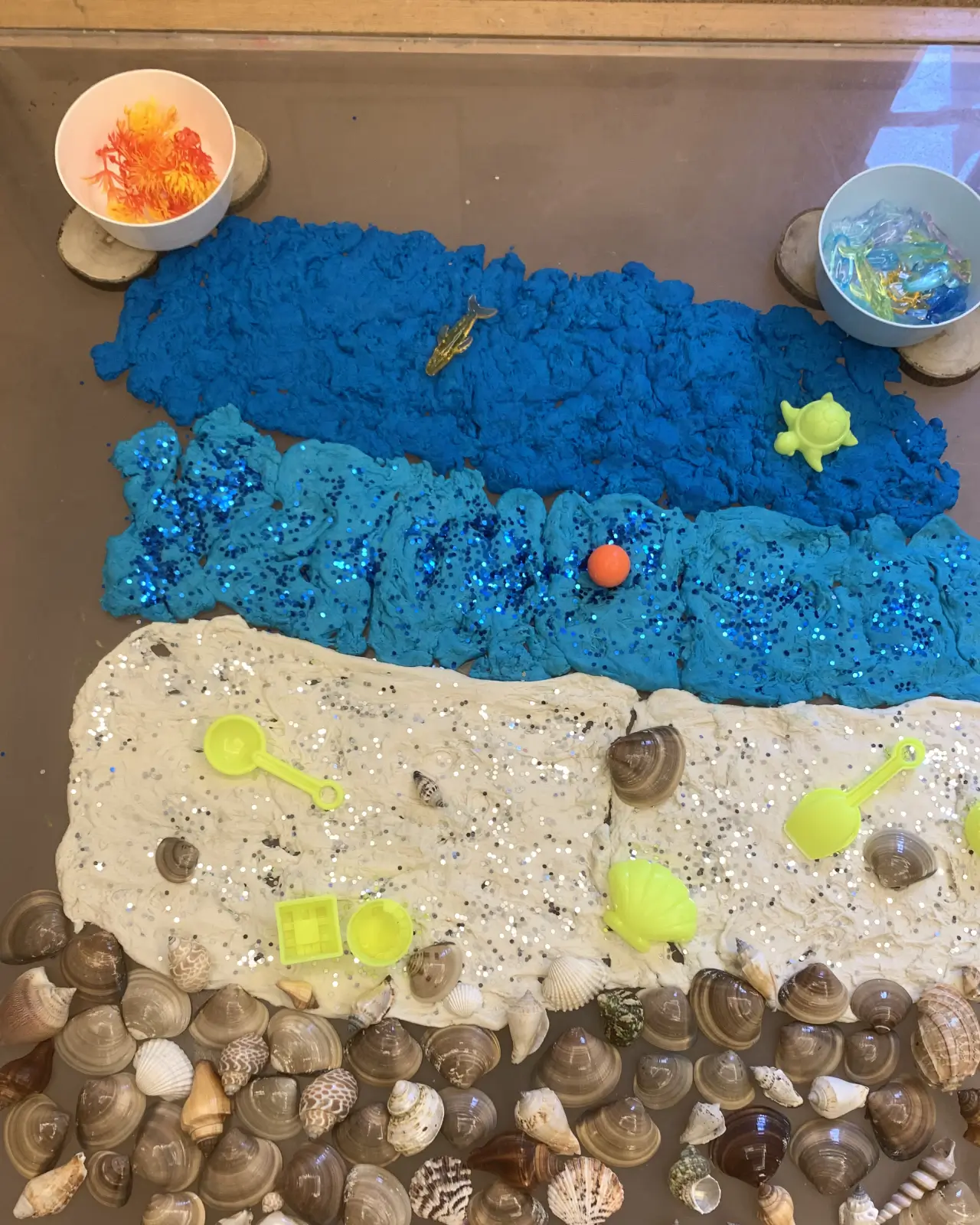
While the camp is rooted in STEM, what children are really developing is a way of thinking: asking meaningful questions, testing and revising ideas, communicating through multiple languages, and learning with and from others. They’re learning how to learn — and, just as importantly, experiencing themselves as capable thinkers. As Loris Malaguzzi emphasised, children are not empty vessels but strong, competent individuals able to construct their own understanding of the world. It’s the same thinking behind our year-round STEM learning for preschoolers in Bandra.
Rethinking Summer
Summer doesn’t have to be a pause. It can be a continuation — a deepening — a different rhythm of learning. When camps are designed with intention, they prevent learning loss, nurture curiosity, build confidence, and honour the natural ways children learn. Because when children are given time, space and meaningful experiences, learning doesn’t just continue — it grows.
Frequently Asked Questions
Why is a preschool summer camp important for early learning?
In the early years, children are always observing, questioning and making sense of the world, so learning doesn't stop in summer. A thoughtfully designed preschool summer camp prevents learning loss by giving children richer, more meaningful opportunities to think, explore and express rather than simply keeping them busy.
What are the benefits of a STEM-based summer camp for preschoolers?
A STEM-based camp helps preschoolers ask meaningful questions, test and revise their own ideas, and build early scientific thinking through real experiences. Because STEM and literacy are connected in the early years, children also strengthen speaking, listening, storytelling and representation at the same time.
How does a summer camp prevent learning loss in young children?
Learning in early childhood is a spiral process where children revisit ideas again and again to build deeper understanding. A camp grounded in exploration lets them return to the same questions across days and weeks, test new theories and refine their thinking, which keeps their momentum and understanding growing through the summer.
What age is the Circles & Cycles summer camp for?
The camp is designed for preschool-aged children and follows the same child-led philosophy as our regular programs at our Bandra West centre. To confirm the exact age group and available slots, please contact our admissions team.
How does the "What Moves?" theme work at the camp?
The whole camp is anchored by the question "What moves?", explored over five weeks. Each week a carefully chosen story opens a new doorway into motion — from pushing and pulling, to invisible forces like gravity, to balance and stability — so children investigate, build theories and revisit their ideas over time.
Does the summer camp follow the Reggio Emilia approach?
Yes. The camp is rooted in the Reggio Emilia approach, which sees children as capable, active constructors of their own knowledge. Books provoke thinking rather than "teach" concepts, and the environment and materials are designed to spark curiosity and exploration.
Is the summer camp held in Bandra, Mumbai?
Yes. Circles & Cycles is located in Bandra West, Mumbai, and the summer camp runs at our centre. You can book a school visit or speak to our admissions team to learn more.
How can parents enrol their child in the Circles & Cycles summer camp?
Parents can book a school visit or reach out through our admissions page to ask about dates, age groups and availability. Visiting the centre is the best way to see our child-led approach in action before enrolling.