The first weeks of school are filled with many emotions. There is excitement, curiosity, anticipation and, very often, a few tears.
For some children, walking into a new school is a completely new experience. For others, it may be their first time being away from their parents for even a short period. Some children may have attended another preschool before, but still find the transition to a new environment difficult.
At Circles & Cycles, we do not expect children to feel comfortable immediately. We understand that settling into school takes time. More importantly, we believe that before a child can feel confident exploring an environment, they need to feel safe in it.
That is why, during the first weeks of school, relationships come first.
Getting to know the child
When a child joins a new school, there is a lot for them to take in. There are new spaces, new sounds, new routines and unfamiliar faces. Even the smallest details can feel different from what they know at home.
Our facilitators spend these early weeks getting to know each child. They observe how a child approaches the environment, what catches their attention, how they communicate their needs and what helps them feel comfortable.
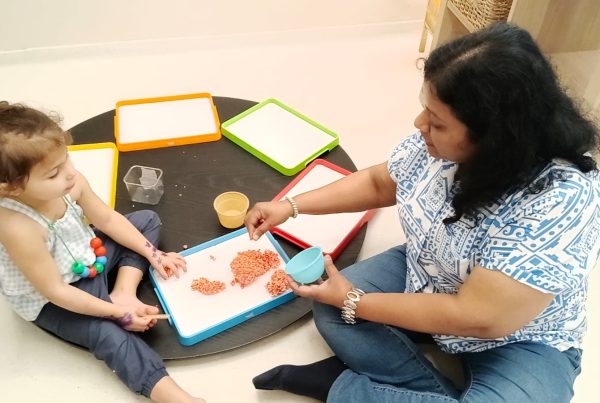
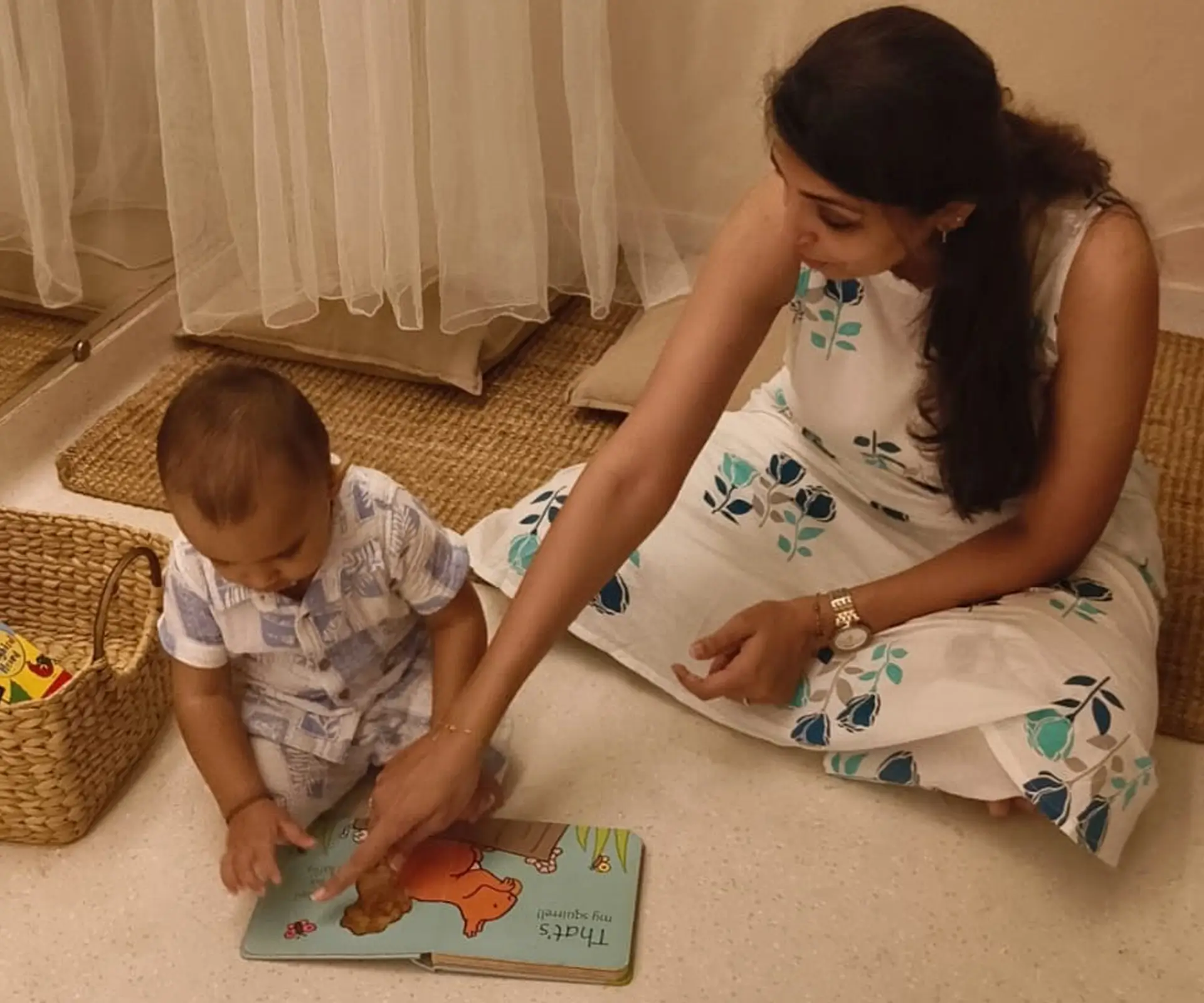
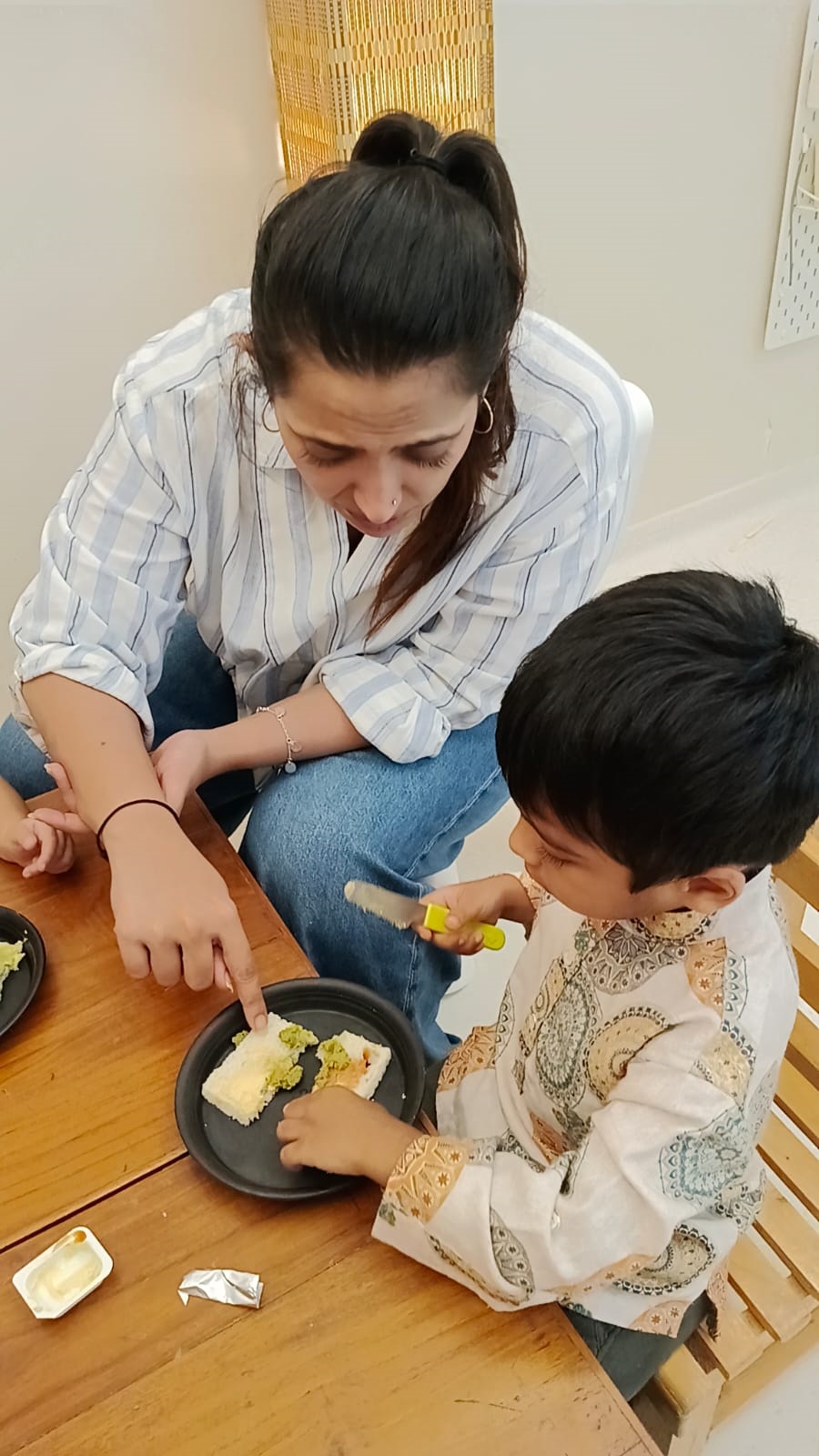
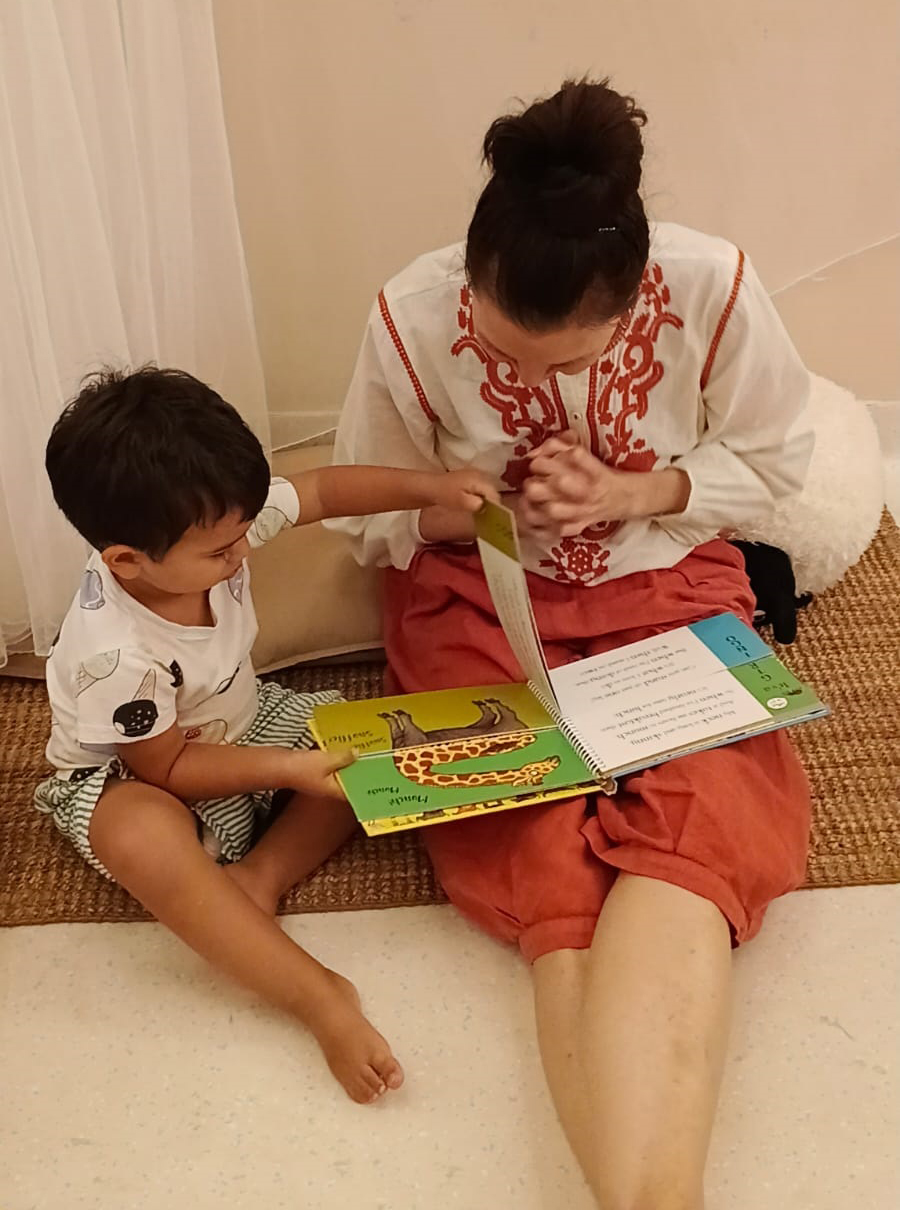
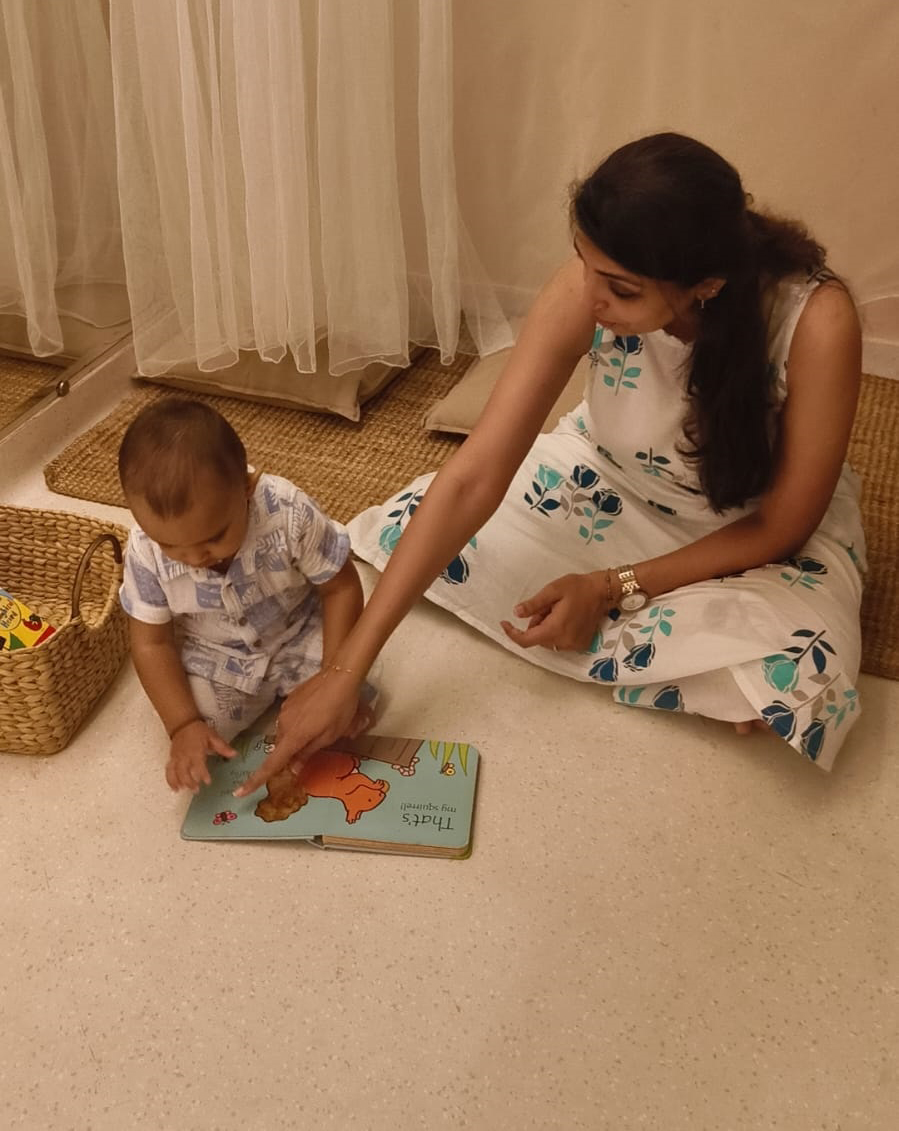
Sometimes, this may mean sitting quietly beside a child rather than encouraging them to join an activity. It may mean offering a familiar toy, reading a favourite book or simply being a reassuring presence nearby.
These moments may seem small, but they are where relationships begin.
A child gradually begins to recognise the adults around them. They learn who will respond when they need help, who will sit with them when they are upset and who will listen when they have something to say.
Over time, these familiar relationships become an important part of the child’s sense of security.
We expect the tears
There are usually lots of tears during the first week of school. We are used to them, and we expect them.
A child crying at drop-off is not necessarily a sign that school is not working for them. It is often their way of communicating a very big feeling. They may be saying, “I don’t know this place yet,” or “I want my parent.”
Our response is not to rush children through these emotions. We stay close, acknowledge how they are feeling and give them the time and reassurance they need.
A calm and familiar adult can make a significant difference. When children see that their feelings are accepted and that someone is there to support them, they gradually begin to understand that they are safe.
We also know that every child settles differently. One child may begin exploring within minutes. Another may spend the first few days watching from the side. Another may need several weeks before they feel ready to fully participate.
There is no single timeline for settling in.
Creating a homely environment
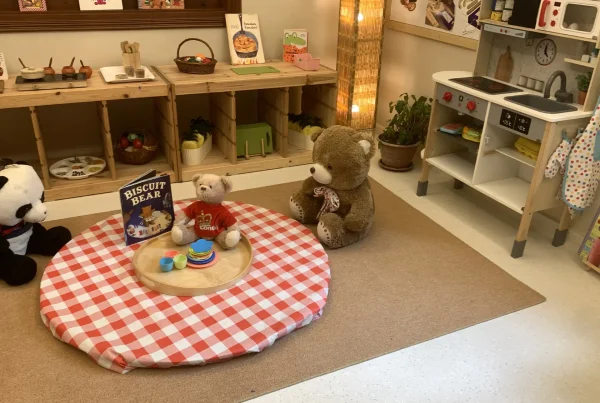
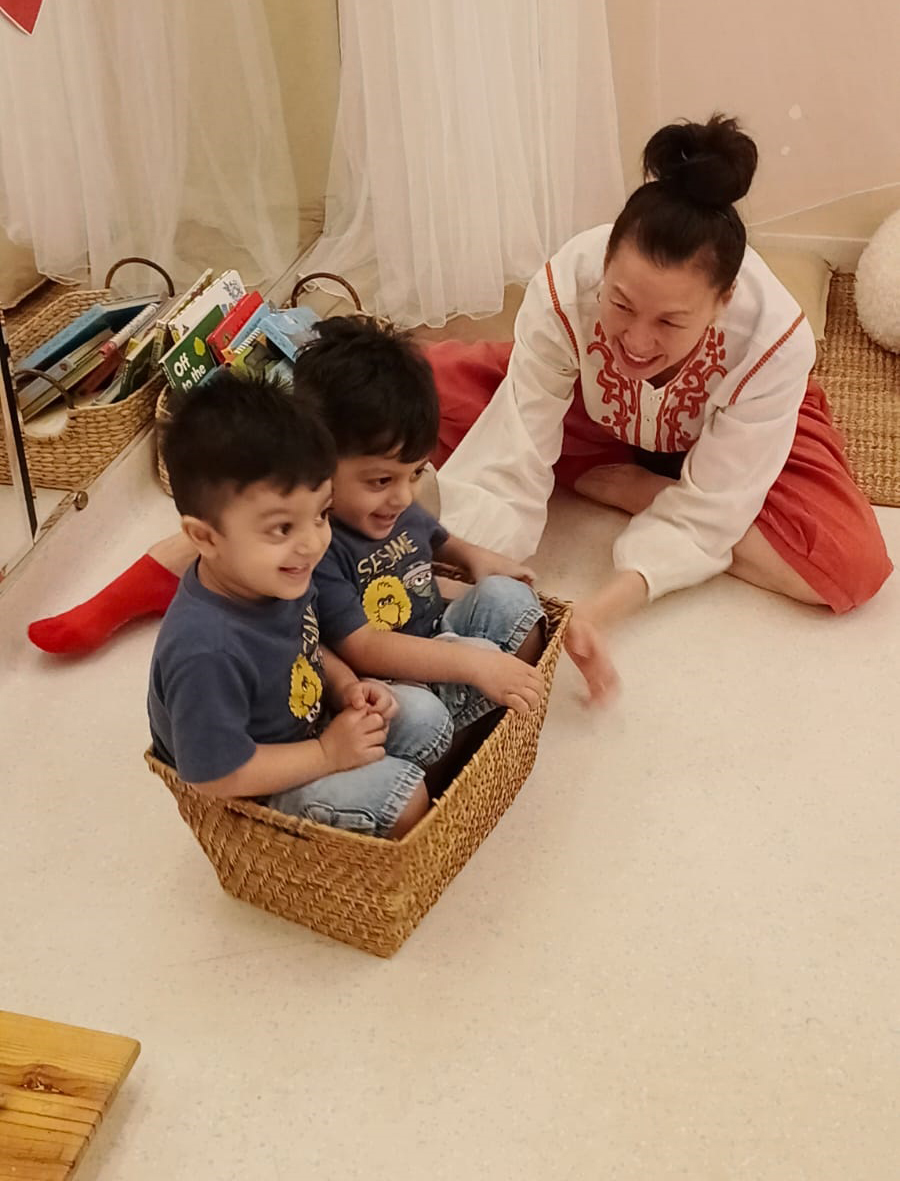
The environment at Circles & Cycles is intentionally warm and homely. We want children to feel that this is a place where they can be themselves, rather than a place where they are expected to immediately adapt to a set routine.
Our facilitator-to-child ratios allow adults to be attentive to individual children. Depending on the programme, the ratio is approximately 1:7 or 1:10, with additional adults in the classroom, including Didis and interns.
This means that children have several familiar adults around them. If one facilitator is supporting another child, someone else can still be available to sit beside a child who needs reassurance.
For a young child, this consistency matters.
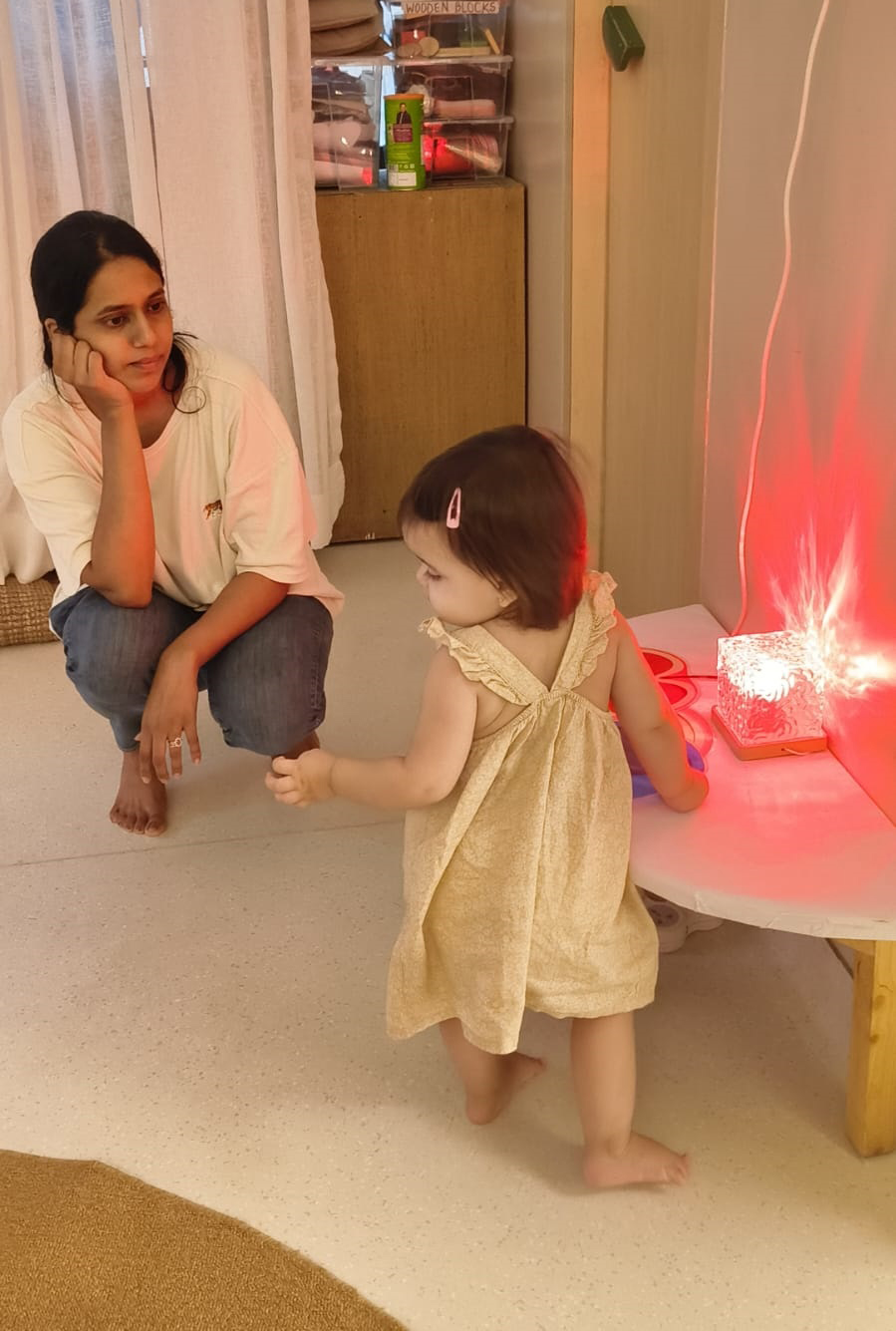
It is not just about having more adults in the room. It is about having adults who notice. Who know when a child needs space and when they need closeness. Who begin to understand their expressions, gestures, sounds and ways of communicating.
This is part of what makes the environment feel more like a community and less like an unfamiliar institution.
A gradual beginning
We do not believe that every child needs to walk into school on the first day and immediately manage a full school session.
The way we introduce children to school is therefore gradual. We consider their age, whether they are new to school and what they may need to feel comfortable in the environment.
New and younger children may come in before school officially begins. This gives them an opportunity to meet their facilitators, explore the environment and become familiar with the people and spaces around them without the busyness of a full school day.
Once they begin attending, their time at school is gradually increased.
For example, children may begin with one hour during the first week. The following week, this may increase to an hour and a half, before gradually building towards the full programme.
Preschool A children eventually attend for two hours, while Preschool B children build towards their full three-hour programme.
This gradual approach gives children time to understand what school feels like. It also allows facilitators to respond to each child’s pace rather than expecting every child to settle according to the same timetable.
Parents are part of the transition
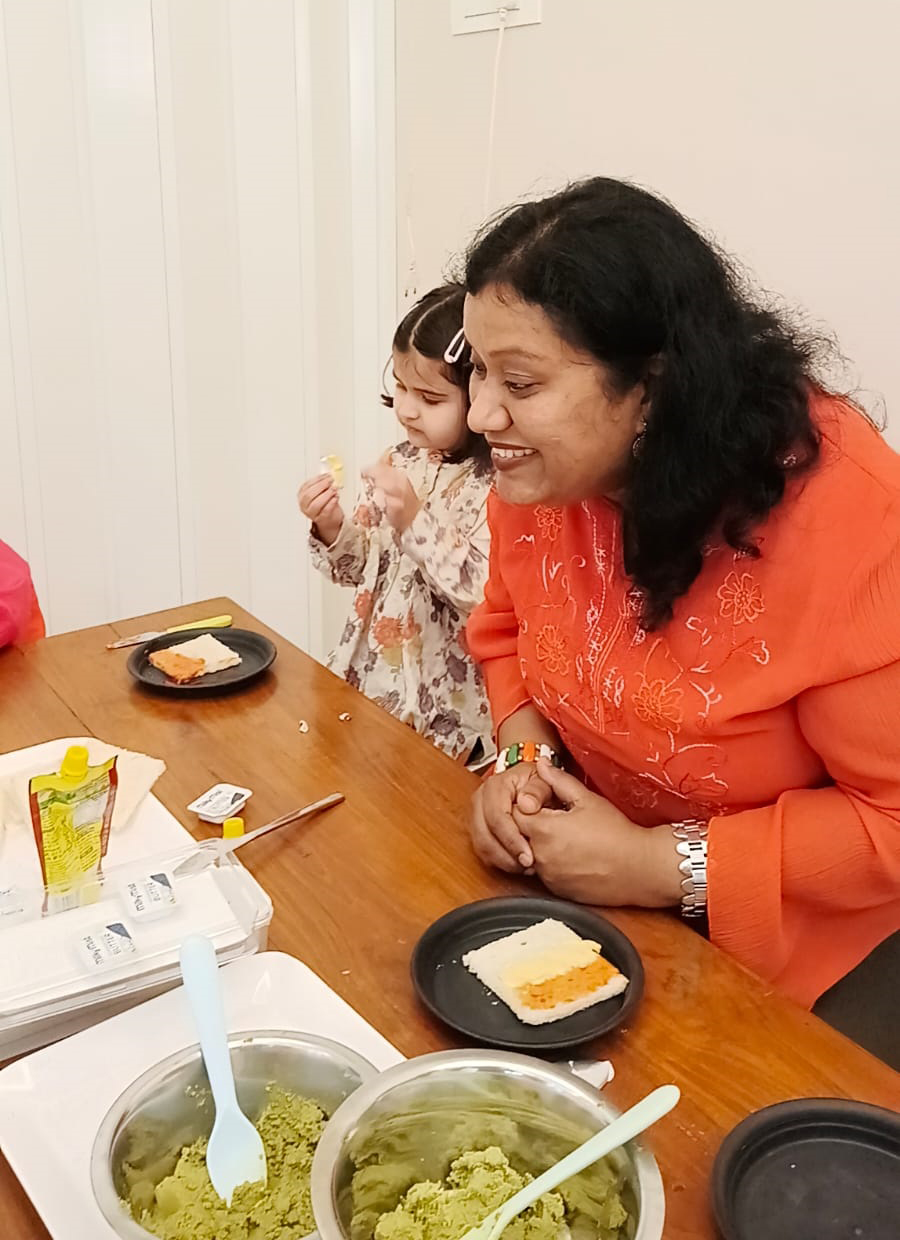
For younger children, separation can be particularly significant. In Preschool A, we therefore allow parents to remain close during the first week.
Initially, parents may be in the classroom. As the child becomes more comfortable, they may move to another area within the C&C premises and, eventually, remain nearby outside the school.
The intention is not to make separation disappear overnight. It is to give the child reassurance that their parent is close while they begin forming relationships with the people around them.
This gradual movement creates space for trust to develop.
The child begins to experience a small but important sequence: My parent leaves. I am okay. My facilitator is here. My parent comes back.
With repetition, the experience becomes more familiar. What initially feels uncertain slowly becomes predictable.
And predictability is an important part of helping young children feel secure.
When a child has had a difficult experience before
Not every child arrives at C&C with the same experience of preschool.
Some families join us after their child has had a difficult experience in a previous school environment. They may have found the environment overwhelming, or they may have struggled with the way adults responded to them.
For these children, starting again can require an even greater sense of trust.
We do not expect a child to simply forget what they have experienced and immediately feel comfortable in a new setting. Instead, we give them opportunities to experience something different.
A facilitator who listens. An adult who responds calmly. Adults who gets down to the child’s level. Someone who does not force participation when the child is not ready.
These everyday interactions can slowly help a child develop confidence in the adults around them.
For us, this is one of the most important responsibilities of a facilitator during the early weeks of school.
Independence comes with security
There can sometimes be a focus on how quickly a child separates from their parent. But at C&C, we see independence differently.
Independence does not mean that a child never needs reassurance. It means that, over time, they develop enough confidence in their environment to explore without constantly needing an adult beside them.
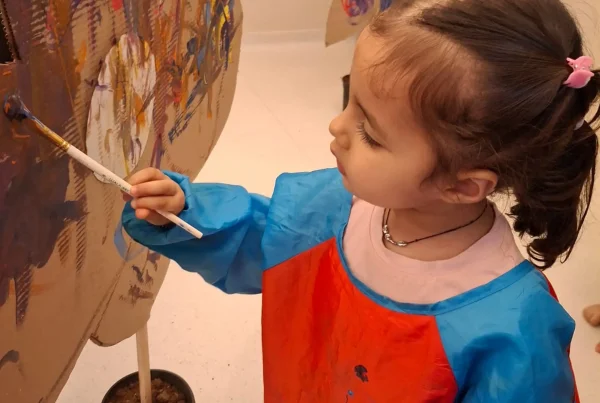
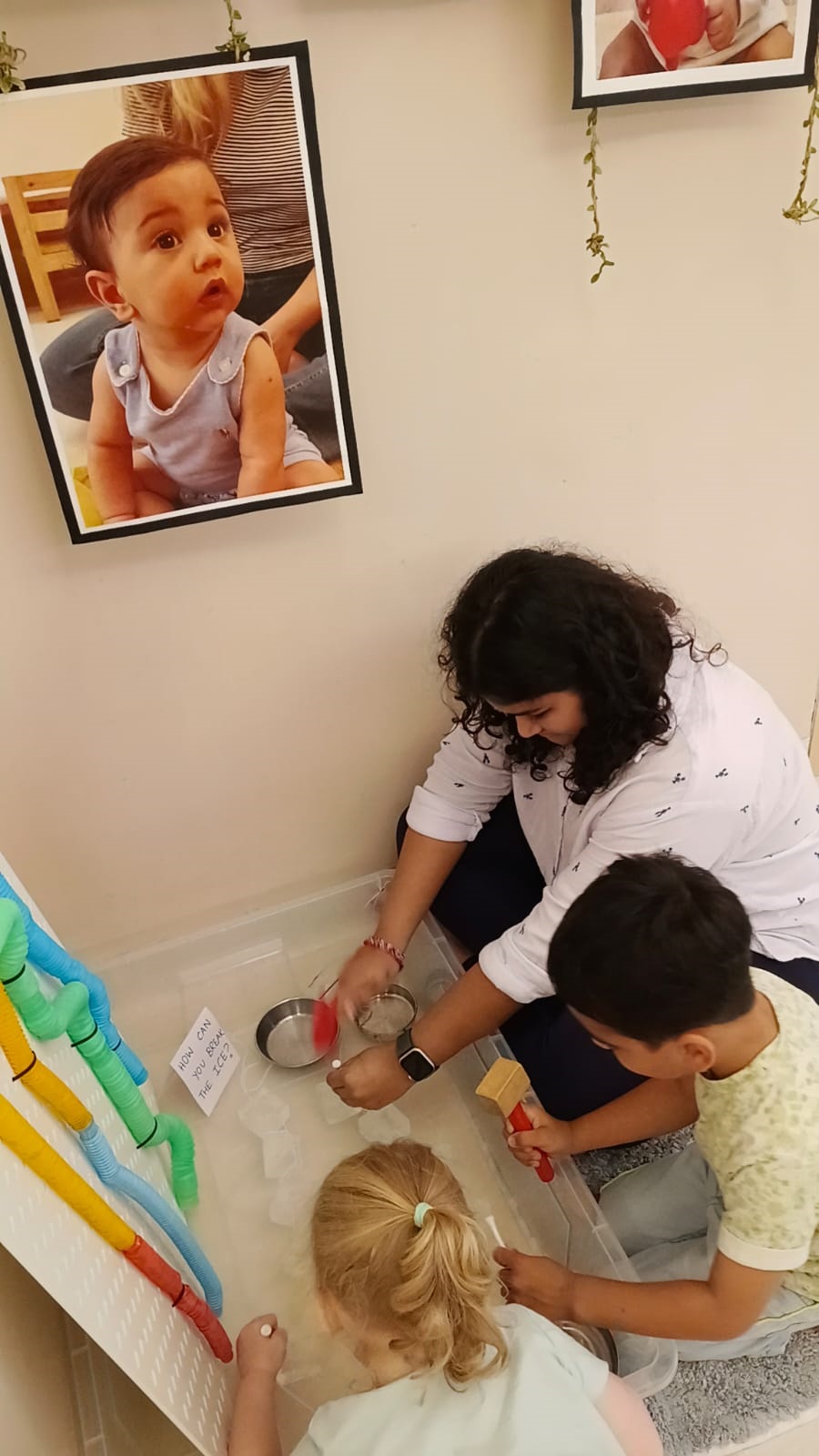
A child who feels secure is more likely to move away from their parent and investigate something interesting. They may begin playing with another child. They may choose a book, explore a material or join a group experience.
The relationship becomes the foundation from which exploration can happen.
This connects closely with the Reggio Emilia approach. Children are viewed as capable, curious and full of potential, but capability does not mean expecting them to manage everything independently from the beginning.
Our role as facilitators is to create the conditions in which that capability can emerge.
Watching, listening and responding
The first weeks of school are also a time of careful observation for our facilitators.
We are learning who each child is.
What makes them smile? What do they return to? What helps them regulate? Which experiences draw them into the environment? Do they prefer to watch before joining? Do they communicate through words, gestures, movement or expression?
These observations help us make thoughtful decisions about how we support each child.
Rather than following a fixed settling-in formula, we respond to what we see and hear.
This is one of the reasons we use the term facilitator. Our role is not simply to direct children through a routine. We are there to observe, listen, interpret and respond.
During the first weeks especially, these skills are essential.
There is no perfect first week
The first week of school can look very different from what parents imagined.
There may be tears at the door. There may be a child who refuses to leave their parent’s lap. There may be a child who spends most of the session watching. There may also be unexpected moments of confidence: a first smile, a first book, a first interaction with a facilitator or a first step into the classroom independently.
We notice all of these moments.
Settling is not one big milestone. It is made up of many small moments of trust.
At Circles & Cycles, we do not measure the success of the first week by how little a child cries. We look for signs that a relationship is beginning to form.
Has the child allowed a facilitator to sit beside them? Have they begun exploring the environment? Are they beginning to recognise familiar adults? Have they found something that interests them?
These are the beginnings of belonging.
Building a sense of belonging
The first week of school can look very different from what parents imagined.
There may be tears at the door. There may be a child who refuses to leave their parent’s lap. There may be a child who spends most of the session watching. There may also be unexpected moments of confidence: a first smile, a first book, a first interaction with a facilitator or a first step into the classroom independently.
We notice all of these moments.
Settling is not one big milestone. It is made up of many small moments of trust.
At Circles & Cycles, we do not measure the success of the first week by how little a child cries. We look for signs that a relationship is beginning to form.
Has the child allowed a facilitator to sit beside them? Have they begun exploring the environment? Are they beginning to recognise familiar adults? Have they found something that interests them?
These are the beginnings of belonging.
Not simply learning to separate from a parent, but beginning to feel, “I am safe here. I know these people. This is a place where I belong.”
At Circles & Cycles, we believe that relationships are where learning begins. And during those first few weeks, building those relationships is our most important work.